

ਅੰਗਰੇਜ਼ੀ ਰਾਜ British Colonial Rule (1849–1947):
1849 ਵਿੱਚ, ਦੂਜੇ ਐਂਗਲੋ-ਸਿੱਖ ਯੁੱਧ ਤੋਂ ਬਾਅਦ, ਅੰਗਰੇਜ਼ਾਂ ਨੇ ਪੰਜਾਬ ਨੂੰ ਆਪਣੇ ਕਬਜ਼ੇ ਵਿੱਚ ਲੈ ਲਿਆ ਅਤੇ ਇਸਨੂੰ ਔਪਨਿਵੇਸ਼ਿਕ ਸ਼ਾਸਨ ਹੇਠ ਰੱਖਿਆ। ਹਾਲਾਂਕਿ ਅੰਗਰੇਜ਼ਾਂ ਨੇ ਸਿੱਧੇ ਤੌਰ ‘ਤੇ ਸੰਗਰੂਰ ਦਾ ਪ੍ਰਬੰਧਨ ਨਹੀਂ ਕੀਤਾ, ਪਰ ਉਨ੍ਹਾਂ ਨੇ ਇਸ ਦੇ ਰਾਜਨੀਤਿਕ, ਆਰਥਿਕ ਅਤੇ ਖੇਤੀਬਾੜੀ ਪ੍ਰਣਾਲੀ ‘ਤੇ ਗਹਿਰੀ ਛਾਪ ਛੱਡੀ।
ਅੰਗਰੇਜ਼ ਪ੍ਰਸ਼ਾਸਕ: ਅੰਗਰੇਜ਼ਾਂ ਨੇ ਇੱਕ ਨਵਾਂ ਜਮੀਨ ਦੇ ਆਮਦਨ ਪ੍ਰਣਾਲੀ (ਲੈਂਡ ਰੈਵਿਨਿਊ ਸਿਸਟਮ) ਲਾਗੂ ਕੀਤਾ, ਜਿਸ ਨਾਲ ਖੇਤਰ ਦੀ ਪ੍ਰਸ਼ਾਸਕੀ ਵਿਵਸਥਾ ਨੂੰ ਪੁਨਰਠੀਕਿਤ ਕੀਤਾ ਗਿਆ। ਹਾਲਾਂਕਿ ਸਥਾਨਕ ਜਮੀਨਦਾਰਾਂ ਨੂੰ ਕੁਝ ਹੱਦ ਤੱਕ ਅਧਿਕਾਰ ਮਿਲੇ ਰਹੇ, ਪਰ ਉਨ੍ਹਾਂ ‘ਤੇ ਅੰਗਰੇਜ਼ ਅਧਿਕਾਰੀਆਂ ਦੀ ਨਿਗਰਾਨੀ ਰਹੀ।
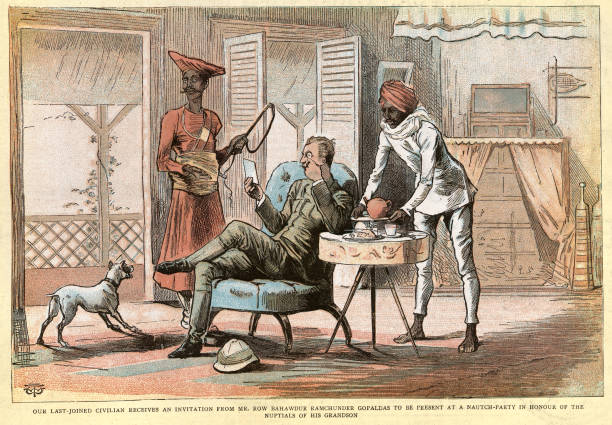
British Administrators: The British introduced a new land revenue system, restructuring the administration of the region. While local zamindars retained power, they were overseen by British officers.
ਖੇਤੀ ‘ਤੇ ਪ੍ਰਭਾਵ: ਅੰਗਰੇਜ਼ਾਂ ਨੇ ਨਕਦੀ ਫਸਲਾਂ ਦੀ ਖੇਤੀ ਸ਼ੁਰੂ ਕਰਵਾਈ, ਖਾਸ ਕਰਕੇ ਕਣਕ ਅਤੇ ਕਪਾਹ ਦੀ ਵਧੀਕ ਉਤਪਾਦਨ ਨੂੰ ਉਤਸ਼ਾਹਿਤ ਕੀਤਾ, ਜਿਸ ਨਾਲ ਸੰਗਰੂਰ ਪੰਜਾਬ ਦੇ ਸਭ ਤੋਂ ਉਤਪਾਦਕ ਖੇਤੀਬਾੜੀ ਖੇਤਰਾਂ ਵਿੱਚੋਂ ਇੱਕ ਬਣ ਗਿਆ। ਹਾਲਾਂਕਿ, ਅੰਗਰੇਜ਼ੀ ਕਰ-ਪ੍ਰਣਾਲੀ ਦੇ ਕਾਰਨ ਸਥਾਨਕ ਕਿਸਾਨਾਂ ਨੂੰ ਬਹੁਤ ਮੁਸ਼ਕਲਾਂ ਦਾ ਸਾਹਮਣਾ ਕਰਨਾ ਪਿਆ।
Impact on Agriculture: The British introduced cash crop cultivation, focusing on wheat and cotton. This transformation made Sangrur one of Punjab’s most productive agricultural regions. However, the British taxation policies caused hardship for local farmers.
ਅਧੁਨਿਕ ਢਾਂਚਾਗਤ ਵਿਕਾਸ: ਅੰਗਰੇਜ਼ਾਂ ਨੇ ਰੇਲਵੇ ਲਾਈਨਾਂ ਬਣਾਈਆਂ ਅਤੇ ਆਵਾਜਾਈ ਦੀ ਸਹੂਲਤ ਵਿੱਚ ਸੁਧਾਰ ਕੀਤਾ, ਜਿਸ ਨਾਲ ਖੇਤਰ ਦੇ ਆਰਥਿਕ ਵਿਕਾਸ ਵਿੱਚ ਮਹੱਤਵਪੂਰਨ ਭੂਮਿਕਾ ਨਿਭਾਈ
Infrastructure Development: The British built railways and improved connectivity. These advancements played a vital role in the economic development of the region.
ਆਜ਼ਾਦੀ ਬਾਅਦ (1947–ਹੁਣ ਤੱਕ) Post-Independence Era (1947–Present):
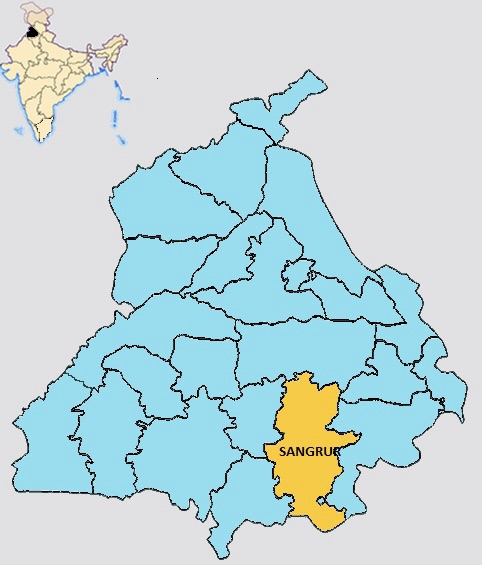
1947 ਵਿੱਚ ਭਾਰਤ ਦੀ ਆਜ਼ਾਦੀ ਮਿਲਣ ਤੋਂ ਬਾਅਦ, ਸੰਗਰੂਰ ਨਵੇਂ ਬਣੇ ਪੰਜਾਬ ਰਾਜ ਦਾ ਹਿੱਸਾ ਬਣ ਗਿਆ। ਉਸ ਤੋਂ ਬਾਅਦ, ਇਹ ਖੇਤਰ ਇੱਕ ਮਹੱਤਵਪੂਰਨ ਖੇਤੀਬਾੜੀ ਕੇਂਦਰ ਬਣ ਗਿਆ, ਜੋ ਆਪਣੇ ਗੰਨੇ ਅਤੇ ਚੌਲ ਦੀ ਉਤਪਾਦਨ ਲਈ ਪ੍ਰਸਿੱਧ ਹੈ। ਖੇਤਰ ਦੀ ਰਾਜਨੀਤਿਕ ਸੰਰਚਨਾ ਨੂੰ ਦੁਬਾਰਾ ਵਿਵਸਥਿਤ ਕੀਤਾ ਗਿਆ, ਅਤੇ ਸੰਗਰੂਰ ਦੀ ਵਿਕਾਸ-ਯਾਤਰਾ ਇੱਕ ਖੇਤੀਬਾੜੀ ਅਤੇ ਵਿਦਿਆਕ ਕੇਂਦਰ ਵਜੋਂ ਜਾਰੀ ਰਹੀ।
After India gained independence in 1947, Sangrur became a part of the newly-formed state of Punjab. Since then, the region has become a significant agricultural center, known for its wheat and rice production. The political structure of the region was reorganized, and Sangrur’s development as an agricultural and educational hub continued.

 EtherealPanjab