


Raja and Maharaja of Jind
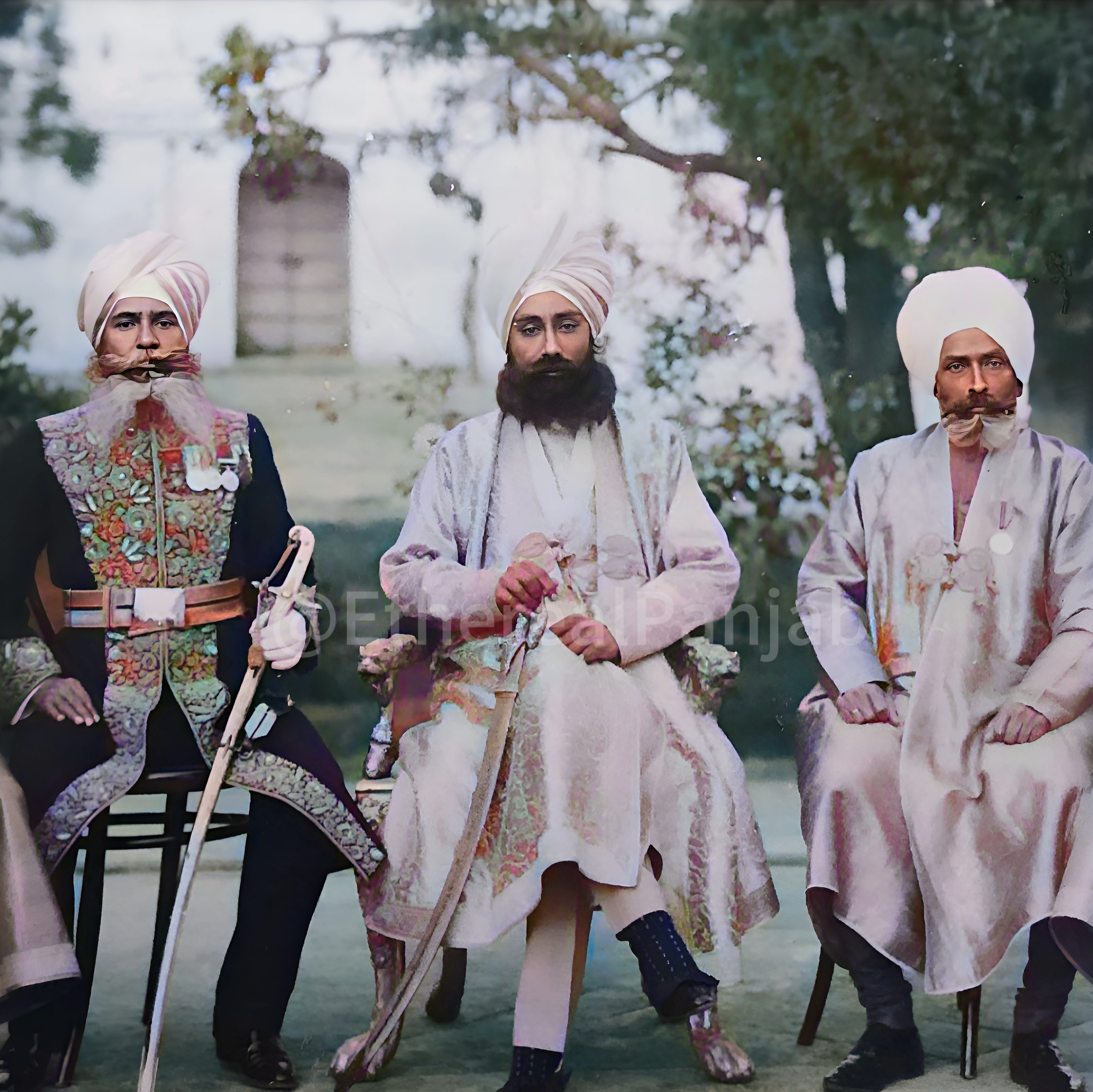
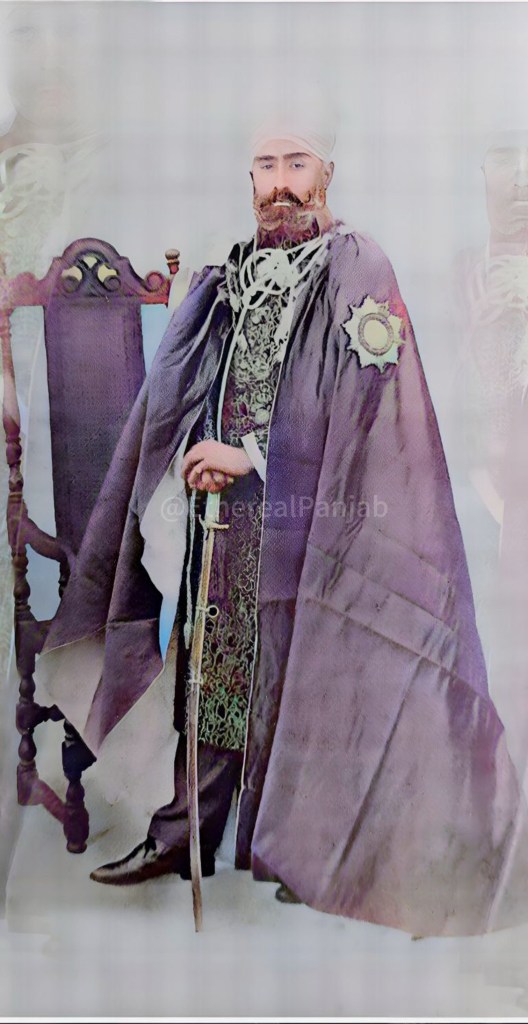
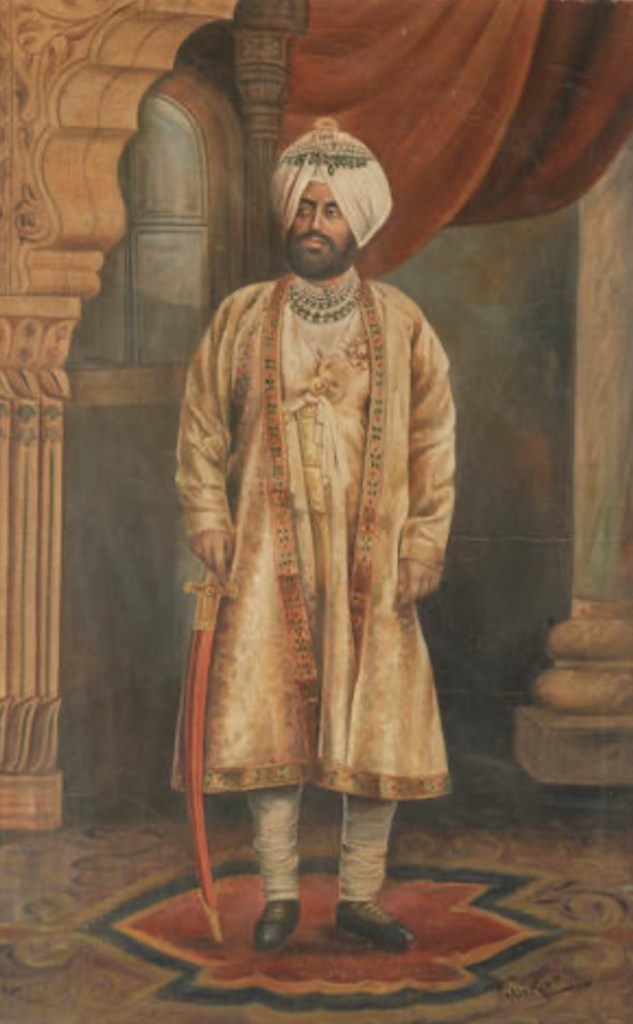
Maharaja Ranbir Singh of Jind was born on 11 October 1879 as the only son of Tikka Balbir Singh Sahib Bahadur (1857-1883), the heir apparent to the throne of Jind and the son of Maharaja Raghubir Singh. grandfather Maharaja Raghubir Singh in 1887, he ascended the throne as the Raja of Jind. Ranbir Singh ruled under a regency for a decade before formally taking charge in 1899 upon reaching adulthood. He actively contributed to British military campaigns, providing contingents from Jind State’s army for:
• The Tirah Campaign (1897)
• World War I (East African Campaign)
• The Third Afghan War (1919)
• The Malayan Campaign (World War II) against Japan
Maharaja Ranbir Singh himself pursued a military career, eventually reaching the rank of Brigadier in the British Army.
A Progressive Ruler
As a forward-thinking ruler, Maharaja Ranbir Singh introduced several reforms in Jind State:
• Established schools and hospitals
• Launched charities for widows and orphans
• Introduced free primary education
His contributions to governance earned him multiple British honors, including:
• Knight Commander of the Order of the Star of India (KCSI) – 1909
• Knight Grand Commander of the Order of the Indian Empire (GCIE) – 1916
• Knight Grand Commander of the Order of the Star of India (GCSI) – 1937
In 1911, he was formally granted the hereditary title of Maharaja of Jind, elevating his status among the Phulkian states.
Strained Relations and Political Influence
Unlike the rulers of Patiala, Nabha, and Faridkot, Maharaja Ranbir Singh maintained a less dominant position in political affairs, particularly regarding resistance against British rule. His reluctance to challenge colonial authority cost him influence in political negotiations, particularly during India’s transition to independence.
His inability to oppose British policies and his tendency to ignore opposing viewpoints led to his nickname, “Bola Raja” (The Deaf King)—partly due to a congenital hearing defect and partly because of his dismissive attitude toward differing opinions.
Role in the Accession to India
In March 1947, Maharaja Ranbir Singh celebrated his Diamond Jubilee, marking 60 years on the throne of Jind—the longest reign of any Phulkian ruler. However, with India’s independence approaching, he signed the Instrument of Accession to join India in August 1947. Jind State later merged into the Patiala and East Punjab States Union (PEPSU) in 1948.
He passed away on 31 March 1948, at the age of 68, after ruling for 61 years. His son, Maharaja Rajbir Singh, succeeded him.
Personal Life
Maharaja Ranbir Singh was married five times, including to Dhelma Kaur, Jaswant Kaur (a Romanian), Deepkumar Kaur, and Gurcharan Kaur. He had twelve children—five sons and seven daughters—including:
• Rajbir Singh (1918-1959) – His successor and the last Maharaja of Jind
• Devinderbir Kaur – Married Air Commodore Narendra Singh of the Royal Indian Air Force
• Lieutenant-General Jasbir Singh, PVSM (1925-2010) – Served in the Indian Army until 1984
• Brijinder Kaur (c. 1920-2011) – Married Air Commodore Ravindra Hari Darshan Singh
8. ਰਣਬੀਰ ਸਿੰਘ (11 ਅਕਤੂਬਰ 1879 – 1 ਅਪ੍ਰੈਲ 1948)
ਮਹਾਰਾਜਾ ਰਣਬੀਰ ਸਿੰਘ ਦਾ ਜਨਮ 11 ਅਕਤੂਬਰ 1879 ਨੂੰ ਹੋਇਆ ਸੀ। ਉਹ ਟਿੱਕਾ ਬਲਬੀਰ ਸਿੰਘ ਸਾਹਿਬ ਬਹਾਦਰ (1857-1883) ਦੇ ਪੁੱਤਰ ਸਨ, ਜੋ ਮਹਾਰਾਜਾ ਰਘੁਬੀਰ ਸਿੰਘ ਦੇ ਉੱਤਰਾਧਿਕਾਰੀ ਸਨ। 1883 ਵਿੱਚ, ਉਨ੍ਹਾਂ ਦੇ ਪਿਤਾ ਦੀ ਮੌਤ ਹੋਣ ਕਾਰਨ, ਉਨ੍ਹਾਂ ਨੇ ਚਾਰ ਸਾਲ ਦੀ ਉਮਰ ਵਿੱਚ ਹੀ ਜੀਂਦ ਰਿਆਸਤ ਦੇ ਉੱਤਰਾਧਿਕਾਰੀ ਵਜੋਂ ਅਹੁਦਾ ਸੰਭਾਲਿਆ। 1887 ਵਿੱਚ, ਉਨ੍ਹਾਂ ਦੇ ਦਾਦਾ ਮਹਾਰਾਜਾ ਰਘੁਬੀਰ ਸਿੰਘ ਦੇ ਦੇਹਾਂਤ ਪਿੱਛੋਂ, ਉਹ ਜੀਂਦ ਦੇ ਰਾਜਾ ਬਣੇ।ਰਣਬੀਰ ਸਿੰਘ ਦਾ ਰਾਜ ਲੰਬਾ ਸੀ ਅਤੇ ਉਹ ਜੀਂਦ ਰਾਜ ਦੀ ਆਧੁਨਿਕਤਾ ਅਤੇ ਬ੍ਰਿਟਿਸ਼ ਰਾਜ ਨਾਲ ਸੰਬੰਧਿਤ ਸੀ|
ਸ਼ਾਸਨ ਤੇ ਬ੍ਰਿਟਿਸ਼ ਫੌਜ ਵਿੱਚ ਭਾਗੀਦਾਰੀ
ਰਣਬੀਰ ਸਿੰਘ ਨੇ 1899 ਵਿੱਚ ਪੂਰੀ ਤਰ੍ਹਾਂ ਸ਼ਾਸਨ ਸੰਭਾਲਿਆ। ਉਨ੍ਹਾਂ ਨੇ ਬ੍ਰਿਟਿਸ਼ ਹਕੂਮਤ ਦੀਆਂ ਕਈ ਲੜਾਈਆਂ ਵਿੱਚ ਜੀਂਦ ਰਿਆਸਤ ਦੀ ਫੌਜ ਭੇਜੀ, ਜਿਵੇਂ ਕਿ:
• ਤਿਰਾਹ ਮੁਹਿੰਮ (1897)
• ਪਹਿਲੀ ਵਿਸ਼ਵ ਯੁੱਧ (ਪੂਰਬੀ ਅਫਰੀਕਾ ਮੁਹਿੰਮ)
• ਤੀਜਾ ਅਫ਼ਗਾਨ ਯੁੱਧ (1919)
• ਮਲਾਯਾ ਮੁਹਿੰਮ (ਦੂਜੀ ਵਿਸ਼ਵ ਯੁੱਧ ਦੌਰਾਨ ਜਪਾਨ ਖ਼ਿਲਾਫ਼)
ਉਨ੍ਹਾਂ ਨੇ ਖੁਦ ਬ੍ਰਿਟਿਸ਼ ਫੌਜ ਵਿੱਚ ਬ੍ਰਿਗੇਡੀਅਰ ਦੀ ਰੈਂਕ ਤੱਕ ਉਚਾਈ ਪ੍ਰਾਪਤ ਕੀਤੀ।
ਸਮਾਜਿਕ ਤੇ ਸ਼ੈਖਸਣਿਕ ਸੁਧਾਰ
ਮਹਾਰਾਜਾ ਰਣਬੀਰ ਸਿੰਘ ਇੱਕ ਉੱਨਤਵਾਦੀ ਸ਼ਾਸਕ ਸਨ, ਜਿਨ੍ਹਾਂ ਨੇ ਰਿਆਸਤ ਵਿੱਚ ਨਵੀਆਂ ਨੀਤੀਆਂ ਲਾਗੂ ਕੀਤੀਆਂ:
• ਸਕੂਲ ਤੇ ਹਸਪਤਾਲ ਬਣਾਏ
• ਵਿਧਵਾਵਾਂ ਅਤੇ ਅਨਾਥਾਂ ਲਈ ਚੈਰੀਟੀ ਸੰਸਥਾਵਾਂ ਸ਼ੁਰੂ ਕੀਤੀਆਂ
• ਮੁਫ਼ਤ ਪ੍ਰਾਇਮਰੀ ਸਿੱਖਿਆ ਦੀ ਸ਼ੁਰੂਆਤ ਕੀਤੀ
ਉਨ੍ਹਾਂ ਦੀ ਪ੍ਰਸ਼ਾਸਕੀ ਯੋਗਤਾ ਨੂੰ ਮੰਨਤਾ ਦਿੰਦਿਆਂ ਬ੍ਰਿਟਿਸ਼ ਸਰਕਾਰ ਨੇ ਉਨ੍ਹਾਂ ਨੂੰ ਕਈ ਉਪਾਧੀਆਂ ਦਿੱਤੀਆਂ, ਜਿਵੇਂ ਕਿ:
• 1909 – ਨਾਈਟ ਕਮਾਂਡਰ ਆਫ਼ ਦਿ ਆਰਡਰ ਆਫ਼ ਦਿ ਸਟਾਰ ਆਫ਼ ਇੰਡੀਆ (KCSI)
• 1916 – ਨਾਈਟ ਗ੍ਰੈਂਡ ਕਮਾਂਡਰ ਆਫ਼ ਦਿ ਆਰਡਰ ਆਫ਼ ਦਿ ਇੰਡਿਅਨ ਐਮਪਾਇਰ (GCIE)
• 1937 – ਨਾਈਟ ਗ੍ਰੈਂਡ ਕਮਾਂਡਰ ਆਫ਼ ਦਿ ਆਰਡਰ ਆਫ਼ ਦਿ ਸਟਾਰ ਆਫ਼ ਇੰਡੀਆ (GCSI)
• 1911 ਵਿੱਚ ਉਨ੍ਹਾਂ ਨੂੰ ‘ਮਹਾਰਾਜਾ’ ਦੀ ਵਿਰਾਸਤੀ ਉਪਾਧੀ ਮਿਲੀ, ਜਿਸ ਨਾਲ ਜੀਂਦ ਰਿਆਸਤ ਦੀ ਪਹਿਚਾਣ ਹੋਰ ਵਧੀ।
ਭਾਰਤ ਦੀ ਆਜ਼ਾਦੀ ਤੇ ਰਣਨੀਤੀਕ ਨਿਡਰਤਾ
ਪਟਿਆਲਾ, ਨਾਭਾ, ਅਤੇ ਫਰੀਦਕੋਟ ਦੇ ਸ਼ਾਸਕਾਂ ਵਾਂਗ ਬ੍ਰਿਟਿਸ਼ ਹਕੂਮਤ ਵਿਰੁੱਧ ਉਨ੍ਹਾਂ ਨੇ ਜ਼ਿਆਦਾ ਸਖ਼ਤ ਮੋਖਮ ਨੈਤੀਕ ਰਵੱਈਆ ਨਹੀਂ ਅਪਣਾਈਆਂ, ਜਿਸ ਕਰਕੇ ਸਿਆਸੀ ਮੰਚਾਂ ’ਤੇ ਉਨ੍ਹਾਂ ਦੀ ਮਹੱਤਤਾ ਘੱਟ ਰਹੀ।
ਉਨ੍ਹਾਂ ਨੂੰ “ਬੋਲਾ ਰਾਜਾ” (ਬਹਿਰਾ ਰਾਜਾ) ਕਿਹਾ ਜਾਂਦਾ ਸੀ, ਨਾ ਸਿਰਫ਼ ਕੰਨਾਂ ਦੀ ਸਮੱਸਿਆ ਕਾਰਨ, ਪਰ ਵਿਚਾਰਧਾਰਕ ਅਸਹਿਮਤੀ ਤੋਂ ਮੂੰਹ ਮੋੜਨ ਕਰਕੇ ਵੀ।
ਭਾਰਤ ਵਿੱਚ ਸ਼ਾਮਲ ਹੋਣਾ
ਮਾਰਚ 1947 ਵਿੱਚ, ਉਨ੍ਹਾਂ ਨੇ ਸ਼ਾਸਨ ਦੇ 60 ਸਾਲ ਪੂਰੇ ਹੋਣ ਉੱਤੇ ਹੀਰੇ ਜੁਬਲੀ ਮਨਾਈ। ਅਗਸਤ 1947 ਵਿੱਚ, ਉਨ੍ਹਾਂ ਨੇ ਭਾਰਤ ਵਿੱਚ ਸ਼ਾਮਲ ਹੋਣ ਲਈ ਦਸਤਖ਼ਤ ਕੀਤੇ। 1948 ਵਿੱਚ, ਜਿੰਦ ਰਿਆਸਤ PEPSU (ਪਟਿਆਲਾ ਤੇ ਪੂਰਬੀ ਪੰਜਾਬ ਰਿਆਸਤ ਯੂਨੀਅਨ) ਵਿੱਚ ਮਿਲ ਗਈ।
ਉਨ੍ਹਾਂ ਦਾ 31 ਮਾਰਚ 1948 ਨੂੰ 68 ਸਾਲ ਦੀ ਉਮਰ ਵਿੱਚ ਦੇਹਾਂਤ ਹੋ ਗਿਆ। ਉਨ੍ਹਾਂ ਦੇ ਪੁੱਤਰ ਮਹਾਰਾਜਾ ਰਾਜਬੀਰ ਸਿੰਘ ਨੇ ਉਨ੍ਹਾਂ ਦੀ ਗੱਦੀ ਸੰਭਾਲੀ।
ਵਿਆਹ ਅਤੇ ਪਰਿਵਾਰ
ਮਹਾਰਾਜਾ ਰਣਬੀਰ ਸਿੰਘ ਨੇ ਪੰਜ ਵਾਰ ਵਿਆਹ ਕੀਤਾ, ਜਿਨ੍ਹਾਂ ਵਿੱਚ ਧੇਲਮਾ ਕੌਰ, ਜਸਵੰਤ ਕੌਰ (ਰੂਮਾਨੀਆ ਤੋਂ), ਦੀਪਕੁਮਾਰ ਕੌਰ, ਅਤੇ ਗੁਰਚਰਨ ਕੌਰ ਸ਼ਾਮਲ ਸਨ। ਉਨ੍ਹਾਂ ਦੇ 12 ਬੱਚੇ (5 ਪੁੱਤਰ, 7 ਧੀਆਂ) ਸਨ, ਜਿਨ੍ਹਾਂ ਵਿੱਚ:
• ਮਹਾਰਾਜਾ ਰਾਜਬੀਰ ਸਿੰਘ (1918-1959) – ਜੀਂਦ ਰਿਆਸਤ ਦੇ ਆਖ਼ਰੀ ਸ਼ਾਸਕ
• ਦੇਵਿੰਦਰਬੀਰ ਕੌਰ – ਰੋਇਲ ਇੰਡਿਅਨ ਏਅਰ ਫੌਰਸ ਦੇ ਏਅਰ ਕਮਾਡੋਰ ਨਰਿੰਦਰ ਸਿੰਘ ਨਾਲ ਵਿਆਹ ਹੋਇਆ
• ਲਿਊਟੇਨੈਂਟ-ਜਨਰਲ ਜਸਬੀਰ ਸਿੰਘ, PVSM (1925-2010) – 1984 ਤੱਕ ਭਾਰਤੀ ਫੌਜ ਵਿੱਚ ਰਹੇ
• ਬ੍ਰਿਜਿੰਦਰ ਕੌਰ (1920-2011) – ਏਅਰ ਕਮਾਡੋਰ ਰਵਿੰਦਰ ਸਿੰਘ ਨਾਲ ਵਿਆਹ ਕੀਤਾ
ਉਪਾਧੀਆਂ ਅਤੇ ਖ਼ਿਤਾਬ
• 1879-1883: ਟੀਕਾ ਰਣਬੀਰ ਸਿੰਘ
• 1883-1887: ਰਾਜਾ ਸ਼੍ਰੀ ਰਣਬੀਰ ਸਿੰਘ ਬਹਾਦੁਰ
• 1887-1911: ਰਾਜਾ ਸ਼੍ਰੀ ਰਣਬੀਰ ਸਿੰਘ ਬਹਾਦੁਰ (KCSI)
• 1911-1916: ਮਹਾਰਾਜਾ ਸ਼੍ਰੀ ਰਣਬੀਰ ਸਿੰਘ ਬਹਾਦੁਰ (GCIE)
• 1918-1926: ਲਿਊਟੇਨੈਂਟ-ਕਰਨਲ ਮਹਾਰਾਜਾ ਰਣਬੀਰ ਸਿੰਘ
• 1926-1937: ਕਰਨਲ ਮਹਾਰਾਜਾ ਰਣਬੀਰ ਸਿੰਘ (13 ਗੰਨੇ ਸਲਾਮੀ)
• 1937-1943: ਕਰਨਲ ਮਹਾਰਾਜਾ ਰਣਬੀਰ ਸਿੰਘ (GCSI, GCIE)
• 1943-1948: ਬ੍ਰਿਗੇਡੀਅਰ ਮਹਾਰਾਜਾ ਰਣਬੀਰ ਸਿੰਘ
ਮਾਣ-ਸਨਮਾਨ ਤੇ ਅਵਾਰਡ
• 1903, 1911 – ਦਿੱਲੀ ਦਰਬਾਰ ਗੋਲਡ ਮੈਡਲ
• 1916 – GCIE (ਨਾਈਟ ਗ੍ਰੈਂਡ ਕਮਾਂਡਰ)
• 1935 – ਕਿੰਗ ਜਾਰਜ V ਸਿਲਵਰ ਜੁਬਲੀ ਮੈਡਲ
• 1937 – ਕਿੰਗ ਜਾਰਜ VI ਕਰੋਨੇਸ਼ਨ ਮੈਡਲ
• 1947 – ਭਾਰਤੀ ਆਜ਼ਾਦੀ ਮੈਡਲ
ਮਹਾਰਾਜਾ ਰਣਬੀਰ ਸਿੰਘ ਦੀ ਰਿਆਸਤ ਵਿੱਚ ਇਤਿਹਾਸਕ ਲੰਬੇ ਸਮੇਂ ਤੱਕ ਸ਼ਾਸਨ, ਫੌਜੀ ਯੋਗਦਾਨ, ਅਤੇ ਸਮਾਜਿਕ ਸੁਧਾਰ ਕਰਕੇ ਯਾਦ ਕੀਤਾ ਜਾਂਦਾ ਹੈ।
Titles Held
• 1879-1883: Rajkumar Sri Ranbir Singh
• 1883-1887: Sri Tikka Sahib Ranbir Singh Bahadur
• 1887-1909: Raja of Jind
• 1909-1911: Maharaja of Jind (KCSI)
• 1911-1916: Maharaja of Jind (GCIE)
• 1918-1926: Lieutenant-Colonel Maharaja of Jind (Rajendra Bahadur)
• 1926-1937: Colonel Maharaja of Jind (13-gun salute)
• 1937-1943: Colonel Maharaja of Jind (GCSI, GCIE)
• 1943-1948: Brigadier Maharaja of Jind
Honors and Recognitions
• Delhi Durbar Gold Medal – 1903, 1911
• Knight Grand Commander of the Order of the Indian Empire (GCIE) – 1916
• King George V Silver Jubilee Medal – 1935
• King George VI Coronation Medal – 1937
• Knight Grand Commander of the Order of the Star of India (GCSI) – 1937
• Indian Independence Medal – 1947
Maharaja Ranbir Singh’s legacy remains a mix of military contributions, social reforms, and political limitations. His rule marked a long period of stability, but his passive stance in India’s independence movement reduced Jind’s influence compared to other Phulkian states.
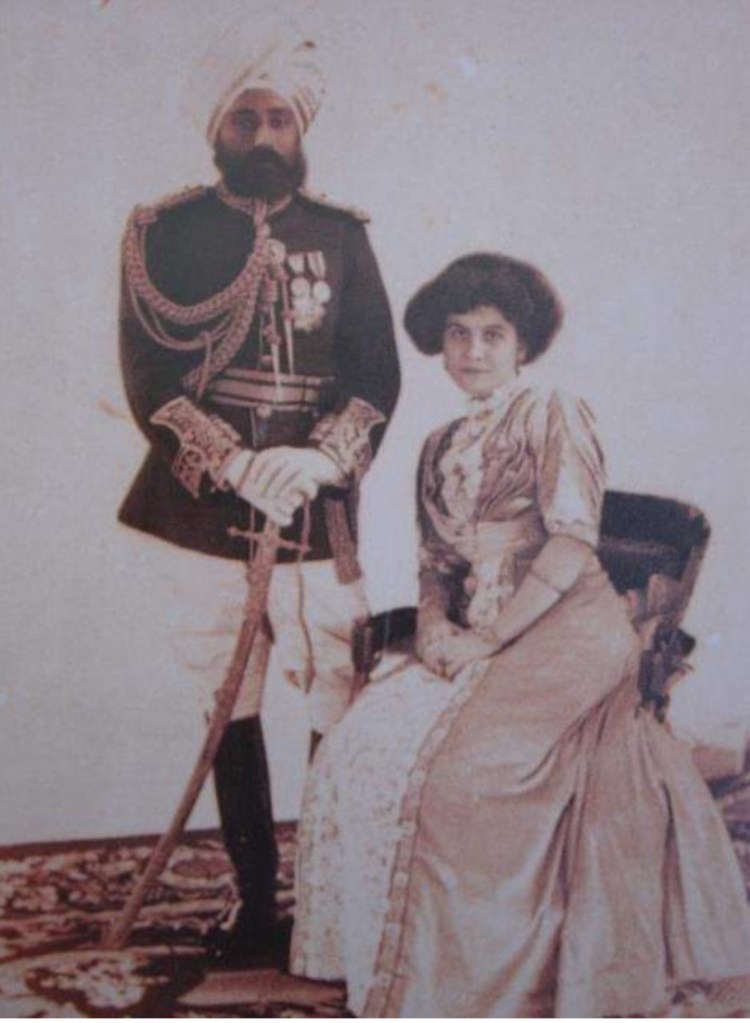
Maharaja Ranbir Singh with Highness

 EtherealPanjab