

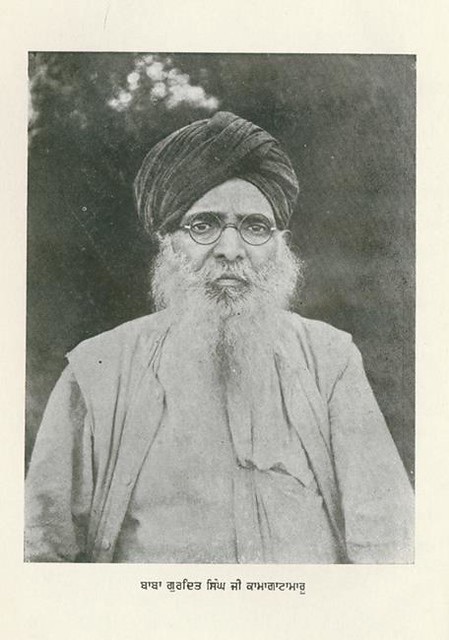
ਬਾਬਾ ਗੁਰਦਿੱਤ ਸਿੰਘ ਜੀ (1860–1954)
ਕੋਮਾਗਾਟਾ ਮਾਰੂ ਕਾਂਡ ਦੇ ਕੇਂਦਰੀ ਨਾਇਕ
ਜਨਮ ਤੇ ਪਰਿਵਾਰਕ ਪਿਛੋਕੜ
ਬਾਬਾ ਗੁਰਦਿੱਤ ਸਿੰਘ ਦਾ ਜਨਮ 25 ਅਗਸਤ 1860 ਨੂੰ ਸਰਹਾਲੀ, ਜ਼ਿਲ੍ਹਾ ਅੰਮ੍ਰਿਤਸਰ, ਪੰਜਾਬ ਵਿੱਚ ਹੋਇਆ ਸੀ। ਉਹ ਇੱਕ ਢਿਲੋਂ ਜੱਟ ਪਰਿਵਾਰ ਵਿੱਚ ਜਨਮਿਆ। ਉਨ੍ਹਾਂ ਦੇ ਪਿਤਾ, ਸਵਃ ਹੁਕਮ ਸਿੰਘ, ਇੱਕ ਮਹੱਤਵਪੂਰਨ ਵਿਅਕਤੀ ਸਨ ਜਿਨ੍ਹਾਂ ਨੇ ਬ੍ਰਿਟਿਸ਼ ਮਲੇਸ਼ੀਆ (ਹੁਣ ਦੇ ਮਲੇਸ਼ੀਆ) ਵਿੱਚ ਵਪਾਰ ਲਈ ਸਥਾਪਨਾ ਕੀਤੀ ਅਤੇ ਇੱਕ ਠੇਕੇਦਾਰ ਦੇ ਰੂਪ ਵਿੱਚ ਕੰਮ ਕੀਤਾ। ਉਨ੍ਹਾਂ ਦੇ ਪਰਿਵਾਰ ਦੀ ਪਿਛੋਕੜ ਫੌਜੀ ਅਤੇ ਸਮਾਜਿਕ ਦੋਹਾਂ ਹੀ ਦ੍ਰਿਸ਼ਟੀਆਂ ਨਾਲ ਮਹੱਤਵਪੂਰਨ ਸੀ।
ਦਾਦੇ ਦੀ ਵਿਰਾਸਤ
ਬਾਬਾ ਗੁਰਦਿੱਤ ਸਿੰਘ ਦੇ ਦਾਦੇ, ਸਵਃ ਰਤਨ ਸਿੰਘ ਢਿਲੋਂ, ਸਿੱਖ ਇਤਿਹਾਸ ਵਿੱਚ ਇੱਕ ਮਹਾਨ ਸਖਸ਼ੀਅਤ ਸਨ। ਉਹ ਸਿੱਖ ਖ਼ਾਲਸਾ ਫੌਜ ਵਿੱਚ ਉੱਚ ਪਦ ਤੇ ਸੀ ਅਤੇ ਪਹਿਲੀ ਅਤੇ ਦੂਜੀ ਅੰਗ੍ਰੇਜ਼-ਸਿੱਖ ਜੰਗਾਂ ਵਿੱਚ ਸਰਗਰਮ ਸਨ। ਰਤਨ ਸਿੰਘ ਨੇ ਬ੍ਰਿਟਿਸ਼ ਬਲਦਿਆਂ ਦੇ ਖਿਲਾਫ ਲੜਾਈ ਲੜੀ ਅਤੇ ਸਿੱਖ ਰਾਜ ਦੀ ਸੁਵਿਧਾ ਦੇ ਬਾਅਦ, 1849 ਵਿੱਚ ਬ੍ਰਿਟਿਸ਼ਾਂ ਵਲੋਂ ਦਿੱਤੇ ਗਏ ਜਾਗੀਰ (ਜ਼ਮੀਨ ਦਾ ਇਨਾਮ) ਨੂੰ ਸਵੀਕਾਰ ਕਰਨ ਤੋਂ ਇਨਕਾਰ ਕਰ ਦਿੱਤਾ। ਇਹ ਕਰਮ ਉਨ੍ਹਾਂ ਦੇ ਸਿੱਖ ਰਾਜ ਨਾਲ ਸੱਚੇ ਵਫ਼ਾਦਾਰ ਰਹਿਣ ਅਤੇ ਬ੍ਰਿਟਿਸ਼ ਪ੍ਰਭੂਤਾ ਦੇ ਖਿਲਾਫ ਪ੍ਰਤੀ ਰੁਕਾਵਟ ਦੀ ਪਹਿਚਾਣ ਬਣਿਆ।
ਪਿਤਾ ਦਾ ਰੋਲ ਅਤੇ ਮਾਈਗ੍ਰੇਸ਼ਨ
ਬਾਬਾ ਗੁਰਦਿੱਤ ਸਿੰਘ ਦੇ ਪਿਤਾ, ਸਃ ਹੁਕਮ ਸਿੰਘ, ਪਰਿਵਾਰ ਦੀ ਮਾਈਗ੍ਰੇਸ਼ਨ ਕਹਾਣੀ ਦੇ ਮਹੱਤਵਪੂਰਨ ਹਿੱਸਾ ਸਨ। ਹੁਕਮ ਸਿੰਘ ਭਾਰਤ ਤੋਂ ਮਲੇਸ਼ੀਆ ਆਏ ਅਤੇ ਠੇਕੇਦਾਰੀ ਕਾਰੋਬਾਰ ਵਿੱਚ ਬਿਜ਼ਨਸ ਕਰਨ ਲੱਗੇ। ਉਹਨਾਂ ਨੇ ਆਪਣੇ ਕੰਮ ਰਾਹੀਂ ਕੁਝ ਸਮੇਂ ਤੱਕ ਆਪਣੇ ਪਰਿਵਾਰ ਨੂੰ ਸਮਰਥਨ ਦਿੱਤਾ। ਹਾਲਾਂਕਿ ਬਾਬਾ ਗੁਰਦਿੱਤ ਸਿੰਘ ਆਪਣੇ ਪਿਤਾ ਤੋਂ ਬਿਨਾਂ ਪਲੇ ਵੱਡੇ ਹੋਏ, ਪਰ ਉਹਨਾਂ ਦੇ ਪਿਤਾ ਦੀਆਂ ਆਰਥਿਕ ਕਠਿਨਾਈਆਂ ਦੇ ਬਾਵਜੂਦ ਉਨ੍ਹਾਂ ਦੀ ਸਹਾਇਤਾ ਨਾਲ ਪਰਿਵਾਰ ਨੂੰ ਮਾਲੀ ਸਥਿਰਤਾ ਪ੍ਰਾਪਤ ਹੋਈ।
ਬਾਬਾ ਗੁਰਦਿੱਤ ਸਿੰਘ ਨੂੰ ਆਪਣੇ ਬਚਪਨ ਵਿੱਚ ਸਿੱਖਿਆ ਪ੍ਰਾਪਤ ਕਰਨ ਦਾ ਮੌਕਾ ਨਹੀਂ ਮਿਲਿਆ। ਉਹਨਾਂ ਦੀ ਤਰੱਕੀ ਵਿੱਚ ਪ੍ਰਾਰੰਭਿਕ ਸਿੱਖਿਆ ਦੀ ਕਮੀ ਸੀ ਅਤੇ ਬਚਪਨ ਵਿੱਚ ਹੀ ਉਹਨਾਂ ਨੂੰ ਆਪਣੇ ਗੁਰੂ ਤੋਂ ਕਾਫ਼ੀ ਚੰਗੀ ਸਿੱਖਿਆ ਮਿਲੀ ਜਿਸ ਨਾਲ ਉਹ ਸਕੂਲ ਛੱਡ ਗਏ । ਪਰ ਉਹ 13 ਸਾਲ ਦੀ ਉਮਰ ਵਿੱਚ ਕੁਝ ਨਿੱਜੀ ਸਿੱਖਿਆ ਪ੍ਰਾਪਤ ਕਰਨ ਵਿੱਚ ਸਫਲ ਰਹੇ ਜਿਸ ਨਾਲ ਉਹ ਆਪਣੇ ਪਿਤਾ ਨਾਲ ਮਲੇਸ਼ੀਆ ਵਿੱਚ ਪੱਤਰ-ਲੇਖੇ ਸੰਬੰਧ ਕਰ ਸਕਦੇ ਸਨ।
ਬਿਜ਼ਨਸ ਅਤੇ ਸਥਿਰਤਾ
ਬਾਬਾ ਗੁਰਦਿੱਤ ਸਿੰਘ ਨੇ 1885 ਵਿੱਚ ਮਲੇਸ਼ੀਆ ਦਾ ਦੌਰਾ ਕੀਤਾ ਅਤੇ ਉਥੇ ਸਿੰਘਾਪੁਰ ਅਤੇ ਮਲੇਸ਼ੀਆ ਵਿੱਚ ਠੇਕੇਦਾਰੀ ਦਾ ਕਾਰੋਬਾਰ ਸ਼ੁਰੂ ਕੀਤਾ। ਉਹ ਇਸ ਕਾਰੋਬਾਰ ਵਿੱਚ ਕਾਫ਼ੀ ਸਫਲ ਹੋਏ ਅਤੇ ਕੁਝ ਸਾਲਾਂ ਬਾਅਦ 1909 ਵਿੱਚ ਵਾਪਸ ਭਾਰਤ ਆ ਗਏ। ਬਾਬਾ ਗੁਰਦਿੱਤ ਸਿੰਘ ਦੀ ਇਹ ਵਪਾਰਕ ਸਥਿਰਤਾ ਅਤੇ ਉਹਨਾਂ ਦਾ ਸਮਾਜਿਕ ਬਦਲਾਅ ਦਿੱਖਾਉਂਦਾ ਹੈ ਕਿ ਉਹ ਆਪਣੇ ਸਮੇਂ ਦੇ ਨਿਰਪੱਖ ਅਤੇ ਦ੍ਰਿੜ੍ਹ ਨੀਤੀ ਵਾਲੇ ਵਿਅਕਤੀ ਸਨ। ਉਨ੍ਹਾਂ ਦੀ ਇਹ ਕਾਰੋਬਾਰੀ ਮੁਹਾਰਤਾ ਅੱਗੇ ਚੱਲ ਕੇ ਬਾਬਾ ਗੁਰਦਿੱਤ ਸਿੰਘ ਨੂੰ ਆਪਣੀਆਂ ਕਥਾਵਾਂ ਤੇ ਲੋਕਾਂ ਲਈ ਉੱਚੀ ਮਨੁੱਖੀ ਨੈਤਿਕਤਾ ਦੀ ਮਿਸਾਲ ਬਣਾਉਣ ਵਿੱਚ ਮਦਦ ਕਰਦੀ ਹੈ।
1911 ਵਿੱਚ, ਗੁਰਦਿੱਤ ਸਿੰਘ ਨੇ ਆਪਣੀ ਧਰਤੀ ’ਤੇ ਹੋ ਰਹੀ ਬੇਗਾਰ (ਮਜ਼ਦੂਰੀ ਬਿਨਾ ਮਜ਼ਦੂਰੀ ਦੇਣਾ) ਦੇ ਖ਼ਿਲਾਫ਼ ਆਵਾਜ਼ ਉਠਾਈ। ਉਨ੍ਹਾਂ ਨੇ ਸਰਕਾਰ ਨੂੰ ਲਿਖਤੀ ਰੂਪ ਵਿੱਚ ਸ਼ਿਕਾਇਤ ਭੇਜੀ ਕਿ ਕਈ ਅਫ਼ਸਰ ਗਰੀਬ ਪਿੰਡਾਂ ਦੇ ਲੋਕਾਂ ਨੂੰ ਮੁਫ਼ਤ ਵਿੱਚ ਕੰਮ ਕਰਨ ਲਈ ਮਜ਼ਬੂਰ ਕਰ ਰਹੇ ਹਨ। ਜਦੋਂ ਕੋਈ ਕਾਰਵਾਈ ਨਹੀਂ ਹੋਈ, ਤਾਂ ਉਨ੍ਹਾਂ ਨੇ ਆਪਣੀ ਪਿੰਡ ਵਾਸੀ ਜਨਤਾ ਨੂੰ ਬੇਗਾਰ ਦੇ ਵਿਰੋਧ ਵਿੱਚ ਉੱਠਣ ਲਈ ਪ੍ਰੇਰਿਤ ਕੀਤਾ।
1909 – 1914: ਗੁਰਦਿੱਤ ਸਿੰਘ ਦਾ ਭਾਰਤ ਵਾਪਸ ਆਉਣ ਤੋਂ ਲੈ ਕੇ ਕਾਮਾਗਾਟਾ ਮਾਰੂ ਘਟਨਾ ਤੱਕਃ
- ਭਾਰਤ ਵਾਪਸੀ (1909):ਗੁਰਦਿੱਤ ਸਿੰਘ ਨੇ 1909 ਵਿੱਚ ਆਪਣੇ ਪਿੰਡ ਸਰਹਾਲੀ, ਜ਼ਿਲ੍ਹਾ ਅੰਮ੍ਰਿਤਸਰ, ਪੰਜਾਬ ਵਿੱਚ ਵਾਪਸੀ ਕੀਤੀ। ਸਿੰਘਾਪੁਰ ਅਤੇ ਮਲੇਸ਼ੀਆ ਵਿੱਚ ਕਾਫੀ ਸਮਾਂ ਬਿਤਾਉਣ ਦੇ ਬਾਅਦ ਉਹ ਭਾਰਤ ਵਾਪਸ ਆਏ। ਉਨ੍ਹਾਂ ਦੀ ਵਾਪਸੀ ਦਾ ਇੱਕ ਮਕਸਦ ਭਾਰਤ ਵਿੱਚ ਬਰਤਾਨਵੀ ਸੂਬੇ ਦੀਆਂ ਆਰਥਿਕ ਅਤੇ ਸਿਆਸੀ ਹਾਲਤਾਂ ਦੀ ਵੱਧਦੀ ਚਿੰਤਾ ਸੀ, ਜਿਸ ਨਾਲ ਉਨ੍ਹਾਂ ਨੂੰ ਕਨੇਡਾ ਅਤੇ ਦੱਖਣੀ ਅਫ਼ਰੀਕਾ ਵਿੱਚ ਭਾਰਤੀ ਭਾਈਚਾਰੇ ਦੇ ਨਾਲ ਹੋ ਰਹੀ ਵਿਤਕਰੇ ਅਤੇ ਭੇਦਭਾਵ ਦੀ ਬਾਰੇ ਵੀ ਹੋਰ ਜ਼ਿਆਦਾ ਸਮਝ ਹੋਈ।
- ਬੇਗਰ ਪ੍ਰਥਾ ਵਿਰੁੱਧ ਧਰਨੇ (1911):ਭਾਰਤ ਵਾਪਸ ਆ ਕੇ, ਗੁਰਦਿੱਤ ਸਿੰਘ ਨੇ ਸੋਸ਼ਲ ਅਤੇ ਸਿਆਸੀ ਕਾਰਜਾਂ ਵਿੱਚ ਸ਼ਾਮਲ ਹੋਣਾ ਸ਼ੁਰੂ ਕੀਤਾ। ਉਨ੍ਹਾਂ ਦੀ ਪਹਿਲੀ ਮੁਹਿੰਮ 1911 ਵਿੱਚ ਬੇਗਰ ਪ੍ਰਥਾ ਵਿਰੁੱਧ ਸੀ। ਬੇਗਰ ਇੱਕ ਪ੍ਰਕਾਰ ਦੀ ਬਲਾਤਕਾਰੀ ਮਜਦੂਰੀ ਸੀ ਜਿਸਦੇ ਤਹਿਤ ਗਰੀਬ ਲੋਕਾਂ ਨੂੰ ਇਜ਼ਾਜ਼ਤ ਦੇ ਬਗੈਰ ਕੰਮ ਕਰਨ ਲਈ ਮਜਬੂਰ ਕੀਤਾ ਜਾਂਦਾ ਸੀ। ਗੁਰਦਿੱਤ ਸਿੰਘ ਨੇ ਇਸ ਦੇ ਖਿਲਾਫ ਆਪਣੀ ਅਵਾਜ਼ ਉਠਾਈ ਅਤੇ ਸਰਕਾਰ ਨੂੰ ਸੂਚਨਾ ਦਿੱਤੀ, ਪਰ ਜਦੋਂ ਉਨ੍ਹਾਂ ਨੂੰ ਕੋਈ ਜਵਾਬ ਨਹੀਂ ਮਿਲਿਆ ਤਾਂ ਉਹਨਾਂ ਨੇ ਗਰੀਬ ਪਿੰਡਵਾਸੀਆਂ ਨੂੰ ਇਸ ਪ੍ਰਥਾ ਤੋਂ ਬਚਣ ਲਈ ਉਤਸ਼ਾਹਿਤ ਕੀਤਾ।
- ਵਿਦੇਸ਼ੀ ਇਮੀਗ੍ਰੇਸ਼ਨ ਕਾਨੂੰਨਾਂ ਬਾਰੇ ਜਾਣਕਾਰੀ:1909 ਤੋਂ 1914 ਤੱਕ ਦੇ ਸਮੇਂ ਦੌਰਾਨ, ਗੁਰਦਿੱਤ ਸਿੰਘ ਨੂੰ ਕੈਨੇਡਾ ਅਤੇ ਦੱਖਣੀ ਅਫ਼ਰੀਕਾ ਵਿੱਚ ਭਾਰਤੀਆਂ ਨੂੰ ਰੋਕਣ ਵਾਲੇ ਵਿਸ਼ੇਸ਼ ਇਮੀਗ੍ਰੇਸ਼ਨ ਕਾਨੂੰਨਾਂ ਬਾਰੇ ਪੂਰੀ ਜਾਣਕਾਰੀ ਮਿਲੀ। ਇਹ ਕਾਨੂੰਨ ਖਾਸ ਤੌਰ ’ਤੇ ਭਾਰਤੀ ਸ਼ਹਿਰਵਾਸੀਆਂ ਨੂੰ ਕੈਨੇਡਾ ਅਤੇ ਦੱਖਣੀ ਅਫ਼ਰੀਕਾ ਵਿੱਚ ਜਾਣ ਤੋਂ ਰੋਕਦੇ ਸਨ। ਇਸ ਬਾਰੇ ਜਾਣ ਕੇ, ਗੁਰਦਿੱਤ ਸਿੰਘ ਨੂੰ ਇਹ ਅਹਿਸਾਸ ਹੋਇਆ ਕਿ ਵਿਦੇਸ਼ੀਆਂ ਦੇ ਵਾਪਸ ਆਪਣੇ ਘਰ ਨੂੰ ਆਉਣ ਲਈ ਇੱਕ ਖ਼ਾਸ ਸਮੱਸਿਆ ਬਣੀ ਹੋਈ ਹੈ। ਉਨ੍ਹਾਂ ਨੂੰ ਇਹ ਅਹਿਸਾਸ ਹੋਇਆ ਕਿ ਐਸੇ ਕਾਨੂੰਨਾਂ ਨੂੰ ਚੁਣੌਤੀ ਦੇਣ ਦੀ ਜ਼ਰੂਰਤ ਹੈ।
- ਗਦਰ ਪਾਰਟੀ ਨਾਲ ਜੁੜਨਾ ਅਤੇ ਰਾਸ਼ਟਰਵਾਦ:ਇਸ ਦੌਰਾਨ, ਗਦਰ ਪਾਰਟੀ ਜੋ ਕਿ ਭਾਰਤ ਨੂੰ ਬ੍ਰਿਟਿਸ਼ ਰਾਜ ਤੋਂ ਮੁਕਤ ਕਰਨ ਦੀ ਕੋਸ਼ਿਸ਼ ਕਰ ਰਹੀ ਸੀ, ਵੱਧਦੀ ਜਾ ਰਹੀ ਸੀ। ਇਹ ਪਾਰਟੀ ਯੂਨਾਈਟਡ ਸਟੇਟਸ ਅਤੇ ਕੈਨੇਡਾ ਵਿੱਚ ਭਾਰਤੀ ਪ੍ਰਵਾਸੀਆਂ ਦੁਆਰਾ ਸਥਾਪਿਤ ਕੀਤੀ ਗਈ ਸੀ। ਗੁਰਦਿੱਤ ਸਿੰਘ ਨੂੰ ਇਸ ਪਾਰਟੀ ਦੀ ਕਾਰਜਵਾਈ ਅਤੇ ਉਨ੍ਹਾਂ ਦੇ ਕੌਮੀ ਲਹਿਰਾਂ ਨਾਲ ਸਾਂਝ ਪਈ। ਉਹ ਇਸ ਪਾਰਟੀ ਦੇ ਮਕਸਦ ਨਾਲ ਸਹਿਮਤ ਹੋਏ ਅਤੇ ਰਾਸ਼ਟਰਵਾਦੀ ਚੇਤਨਾ ਵਿੱਚ ਸ਼ਾਮਲ ਹੋਏ। ਉਨ੍ਹਾਂ ਨੇ ਸੋਚਿਆ ਕਿ ਇਹ ਸਮਾਂ ਆ ਗਿਆ ਹੈ ਕਿ ਉਹ ਵੀ ਕੈਨੇਡਾ ਦੇ ਇਮੀਗ੍ਰੇਸ਼ਨ ਕਾਨੂੰਨਾਂ ਦੇ ਖਿਲਾਫ ਆਪਣੀ ਅਵਾਜ਼ ਉਠਾਉਣ।
- ਕਾਮਾਗਾਟਾ ਮਾਰੂ ਸ਼ਿਪ ਨੂੰ ਚਾਰਟਰ ਕਰਨ ਦੀ ਯੋਜਨਾ (1914):1914 ਵਿੱਚ ਗੁਰਦਿੱਤ ਸਿੰਘ ਨੇ ਇਹ ਫੈਸਲਾ ਕੀਤਾ ਕਿ ਉਹ ਕਾਮਾਗਾਟਾ ਮਾਰੂ ਜਪਾਨੀ ਜਹਾਜ਼ ਨੂੰ ਚਾਰਟਰ ਕਰਨਗੇ, ਜਿਸ ਵਿੱਚ ਭਾਰਤੀਆਂ ਭਾਈਚਾਰਿਆਂ ਦੇ ਲੋਕਾਂ ਨੂੰ ਭਰਕੇ ਕੈਨੇਡਾ ਭੇਜਣ ਦੀ ਯੋਜਨਾ ਬਣਾਈ। ਇਹ ਜਹਾਜ਼ ਹਾਂਗ ਕਾਂਗ ਤੋਂ ਵੈਨਕੂਵਰ ਤੱਕ ਸਿੱਧੀ ਯਾਤਰਾ ਕਰਕੇ ਜਾਏਗਾ। ਇਹ ਕੰਮ ਉਹ ਕੈਨੇਡਾ ਦੇ “ਕੰਟਿਨਿਊਅਸ ਜਰਨੀ ਰੈਗੂਲੇਸ਼ਨ” ਕਾਨੂੰਨ ਨੂੰ ਚੁਣੌਤੀ ਦੇਣ ਅਤੇ ਕੈਨੇਡਾ ਦੇ ਗਵਰਨਮੈਂਟ ਨੂੰ ਇਨ੍ਹਾਂ ਕਾਨੂੰਨਾਂ ਦਾ ਸਾਹਮਣਾ ਕਰਨ ਲਈ ਕਰ ਰਹੇ ਸਨ।ਇਸ ਤਰੀਕੇ ਨਾਲ, ਗੁਰਦਿੱਤ ਸਿੰਘ ਦੀ ਕੋਸ਼ਿਸ਼ ਸੀ ਕਿ ਉਹ ਕਾਮਾਗਾਟਾ ਮਾਰੂ ਦੀ ਘਟਨਾ ਦੁਆਰਾ ਇਮੀਗ੍ਰੇਸ਼ਨ ਉੱਤੇ ਰੋਕਾਂ ਨੂੰ ਰੋਕ ਸਕਣ ਅਤੇ ਕੈਨੇਡਾ ਦੀ ਸਰਕਾਰ ਨੂੰ ਧਿਆਨ ਵਿੱਚ ਲਿਆ ਸਕਣ।
ਸੰਖੇਪ ਵਿੱਚ (1909-1914):
- 1909: ਗੁਰਦਿੱਤ ਸਿੰਘ ਭਾਰਤ ਵਾਪਸ ਆਏ ਅਤੇ ਸਮਾਜਿਕ ਅਤੇ ਸਿਆਸੀ ਮੁੱਦਿਆਂ ਵਿੱਚ ਸ਼ਾਮਲ ਹੋਏ।
- 1911: ਉਨ੍ਹਾਂ ਨੇ ਬੇਗਰ ਪ੍ਰਥਾ ਖਿਲਾਫ ਧਰਨਾ ਦਿੱਤਾ ਅਤੇ ਗਰੀਬ ਪਿੰਡ ਵਾਸੀਆਂ ਨੂੰ ਇਸ ਤੋਂ ਬਚਣ ਲਈ ਉਤਸ਼ਾਹਿਤ ਕੀਤਾ।
- 1911-1914: ਉਨ੍ਹਾਂ ਨੇ ਕੈਨੇਡਾ ਅਤੇ ਦੱਖਣੀ ਅਫ਼ਰੀਕਾ ਵਿੱਚ ਭਾਰਤੀਆਂ ਦੇ ਲਈ ਰੋਕਾਂ ਅਤੇ ਭੇਦਭਾਵ ਦੇ ਬਾਰੇ ਜਾਣਿਆ।
- 1914: ਗੁਰਦਿੱਤ ਸਿੰਘ ਨੇ ਗਦਰ ਪਾਰਟੀ ਨਾਲ ਸੰਪਰਕ ਕੀਤਾ ਅਤੇ ਇਮੀਗ੍ਰੇਸ਼ਨ ਕਾਨੂੰਨਾਂ ਨੂੰ ਚੁਣੌਤੀ ਦੇਣ ਲਈ ਕਾਮਾਗਾਟਾ ਮਾਰੂ ਸ਼ਿਪ ਚਾਰਟਰ ਕਰਨ ਦਾ ਫੈਸਲਾ ਕੀਤਾ।
Sources:
- Gurdit Singh: Encyclopedia Britannica
- Gurdit Singh – The Komagata Maru Incident: Sikh Archives
- Baba Gurdit Singh’s Life & Legacy: Sikh History International
ਬਾਬਾ ਗੁਰਦਿੱਤ ਸਿੰਘ ਨੇ ਕਾਮਾਗਾਟਾ ਮਾਰੂ ਤੋਂ ਪਹਿਲਾਂ ਕੁਝ ਹੋਰ ਜਹਾਜ਼ਾਂ ਦਾ ਵੀ ਯਤਨ ਕੀਤਾ ਸੀ, ਪਰ ਉਹ ਅਸਫਲ ਰਹੇ।
ਜਿਵੇਂ ਕਿ ਇਤਿਹਾਸਕਾਰਾਂ ਨੇ ਦਰਸਾਇਆ ਹੈ, ਬਾਬਾ ਗੁਰਦਿੱਤ ਸਿੰਘ ਨੇ ਪਹਿਲਾਂ “ਗੁਰਮੁਖ” ਜਹਾਜ਼ ਦਾ ਇਸਤੇਮਾਲ ਕਰਨ ਦਾ ਯਤਨ ਕੀਤਾ ਸੀ। ਉਹ ਜਹਾਜ਼ ਜੋ ਕੈਨੇਡਾ ਜਾਂ ਦੱਖਣੀ ਅਫਰੀਕਾ ਜਾ ਸਕਦਾ ਸੀ, ਪਰ ਇਸਦਾ ਯਤਨ ਜਦੋਂ ਅਸਫਲ ਹੋਇਆ ਤਾਂ ਬਾਬਾ ਗੁਰਦਿੱਤ ਸਿੰਘ ਨੂੰ ਇਹ ਸਮਾਂ ਆਇਆ ਕਿ ਉਸਨੂੰ ਇੱਕ ਹੋਰ ਸਧਾਰਨ ਅਤੇ ਸਵੈ-ਚਾਰਟਰ ਜਹਾਜ਼ ਦੀ ਲੋੜ ਹੈ ਜੋ ਇਸ ਰੁਕਾਵਟ ਨੂੰ ਚੁਣੌਤੀ ਦੇ ਸਕੇ।
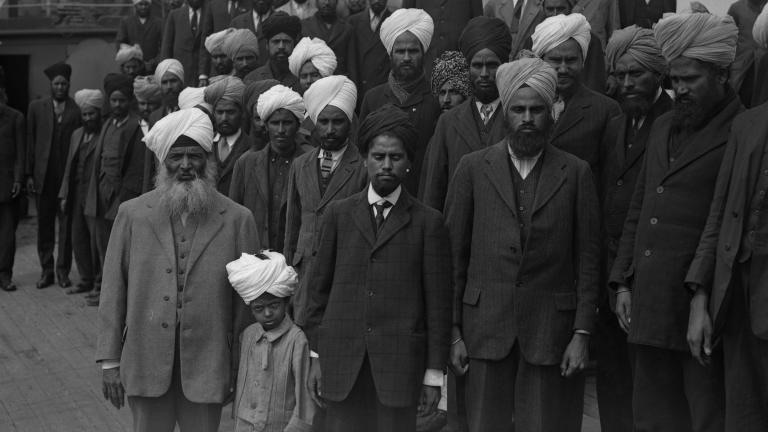
ਕਾਮਾਗਾਟਾਮਾਰੂ ਘਟਨਾ – ਗੁਰਦਿੱਤ ਸਿੰਘ
ਪਿਛੋਕੜ ਅਤੇ ਕਾਮਾਗਾਟਾਮਾਰੂ ਘਟਨਾ ਵਿੱਚ ਸ਼ਾਮਿਲ ਹੋਣ ਦਾ ਰਾਹ
1914 ਤੱਕ ਕੈਨੇਡਾ ਵਿੱਚ ਭਾਰਤੀਆਂ ਦੀ ਆਗਮਨ ਉੱਤੇ ਕੁਝ ਕਠੋਰ ਰੋਕਾਂ ਲਗਾਈਆਂ ਗਈਆਂ ਸਨ। ਇਨ੍ਹਾਂ ਵਿੱਚ ਸਭ ਤੋਂ ਵੱਡੀ ਰੁਕਾਵਟ ਸੀ ਕੰਟਿਨਿਊਅਸ ਜਰਨੀ ਰੈਗੂਲੇਸ਼ਨ ਜੋ 1908 ਵਿੱਚ ਕੈਨੇਡਾ ਦੀ ਸਰਕਾਰ ਦੁਆਰਾ ਲਾਗੂ ਕੀਤਾ ਗਿਆ ਸੀ। ਇਸ ਕਾਨੂੰਨ ਦੇ ਤਹਿਤ, ਕਿਸੇ ਭਾਰਤੀ ਨੂੰ ਕੈਨੇਡਾ ਵਿੱਚ ਪ੍ਰਵੇਸ਼ ਦੇਣ ਦੀ ਆਗਿਆ ਨਾ ਮਿਲ ਸਕਦੀ ਸੀ ਜੇ ਉਹ ਸਿੱਧੀ ਰਸਤੇ ਤੋਂ ਕੈਨੇਡਾ ਨਹੀਂ ਆਉਂਦਾ ਸੀ ਅਤੇ ਕਿਸੇ ਹੋਰ ਦੇਸ਼ ਵਿੱਚ ਰੁਕਿਆ ਹੋਇਆ ਹੁੰਦਾ ਸੀ। ਇਸ ਕਾਨੂੰਨ ਨਾਲ ਭਾਰਤ ਤੋਂ ਆਉਣ ਵਾਲੇ ਬਹੁਤ ਸਾਰੇ ਸਾਊਥ ਏਸ਼ੀਆਈ ਇਮੀਗ੍ਰੈਂਟਸ ਦਾ ਰਾਸ਼ਟਰੀ ਪ੍ਰਵੇਸ਼ ਰੋਕ ਦਿੱਤਾ ਗਿਆ ਸੀ ਕਿਉਂਕਿ ਕੋਈ ਵੀ ਜਹਾਜ਼ ਸਿੱਧਾ ਭਾਰਤ ਤੋਂ ਕੈਨੇਡਾ ਜਾ ਕੇ ਨਹੀਂ ਪਹੁੰਚਦਾ ਸੀ।
ਇਸ ਸਮੇਂ, ਗੁਰਦਿੱਤ ਸਿੰਘ ਜੋ ਸਿੰਘਾਪੁਰ ਅਤੇ ਮਲੇਸ਼ੀਆ ਵਿੱਚ ਰਹਿ ਰਹੇ ਸਨ, ਉਹ ਇਹਨਾਂ ਕਠੋਰ ਕੈਨੇਡਾ ਦੇ ਇਮੀਗ੍ਰੇਸ਼ਨ ਕਾਨੂੰਨਾਂ ਅਤੇ ਇਮੀਗ੍ਰੈਂਟਸ ਦੀ ਦੁਖਭਰੀ ਹਾਲਤ ਨਾਲ ਪੂਰੀ ਤਰ੍ਹਾਂ ਵਾਕਿਫ ਹੋ ਗਏ ਸਨ। ਉਹ ਖੁਦ ਵੀ ਇੱਕ ਵਪਾਰੀ ਦੇ ਤੌਰ ਤੇ ਵੱਖ-ਵੱਖ ਦੇਸ਼ਾਂ ਵਿੱਚ ਯਾਤਰਾ ਕਰ ਚੁਕੇ ਸਨ ਅਤੇ ਉਨ੍ਹਾਂ ਨੇ ਅਨੇਕ ਵਾਰ ਇਮੀਗ੍ਰੈਂਟਸ ਲਈ ਔਖੀਆਂ ਹਾਲਤਾਂ ਵੇਖੀਆਂ ਸਨ।
ਜਾਗਰੂਕਤਾ ਬਢਾਉਣਾ ਅਤੇ ਕਾਰਵਾਈ ਕਰਨੀ ਸ਼ੁਰੂ ਕਰਨਾ
1914 ਦੇ ਸ਼ੁਰੂ ਵਿੱਚ, ਗੁਰਦਿੱਤ ਸਿੰਘ ਨੇ ਕੈਨੇਡਾ ਦੇ ਇਮੀਗ੍ਰੇਸ਼ਨ ਕਾਨੂੰਨਾਂ ਦਾ ਵਿਰੋਧ ਕਰਨ ਦੀ ਸੋਚੀ। ਉਹ ਹੌਂਗ ਕਾਂਗ ਵਿੱਚ ਰਹਿੰਦੇ ਹੋਏ ਗਦਰ ਪਾਰਟੀ ਦੇ ਨਾਲ ਸ਼ਾਮਿਲ ਹੋਏ। ਗਦਰ ਪਾਰਟੀ ਦੀ ਸਥਾਪਨਾ 1913 ਵਿੱਚ ਅਮਰੀਕਾ ਅਤੇ ਕੈਨੇਡਾ ਵਿੱਚ ਕੀਤੀ ਗਈ ਸੀ ਅਤੇ ਇਸਦਾ ਮੁੱਖ ਉਦੇਸ਼ ਭਾਰਤ ਤੋਂ ਬ੍ਰਿਟਿਸ਼ ਰਾਜ ਨੂੰ ਖਤਮ ਕਰਨਾ ਸੀ। ਗੁਰਦਿੱਤ ਸਿੰਘ ਨੇ ਗਹਦਰ ਪਾਰਟੀ ਦੇ ਨਾਲ ਜੁੜ ਕੇ ਇਮੀਗ੍ਰੈਂਟਸ ਲਈ ਅਦਾਲਤੀ ਅਤੇ ਰਾਜਨੀਤਿਕ ਮੁੱਦਿਆਂ ਤੇ ਧਿਆਨ ਦਿੱਤਾ।
ਕਾਮਾਗਾਟਾਮਾਰੂ ਨੂੰ ਚਾਰਟਰ ਕਰਨਾ
1914 ਵਿੱਚ, ਗੁਰਦਿੱਤ ਸਿੰਘ ਨੇ ਇੱਕ ਵੱਡੀ ਯੋਜਨਾ ਬਣਾਈ। ਉਹ ਕੈਨੇਡਾ ਵਿੱਚ ਭਾਰਤੀ ਇਮੀਗ੍ਰੈਂਟਸ ਨੂੰ ਲੈ ਕੇ ਜਾ ਸਕਣ ਵਾਲੇ ਇੱਕ ਜਹਾਜ਼ ਦਾ ਚਾਰਟਰ ਕਰਨ ਦੀ ਸੋਚਦੇ ਸਨ। ਉਨ੍ਹਾਂ ਨੇ ਕਾਮਾਗਾਟਾਮਾਰੂ, ਜੋ ਇੱਕ ਜਪਾਨੀ ਸਟੀਮਸ਼ਿਪ ਸੀ, ਉਸੇ ਜਹਾਜ਼ ਨੂੰ ਚੁਣਿਆ ਅਤੇ ਉਸਨੂੰ ਭਾਰਤੀ ਇਮੀਗ੍ਰੈਂਟਸ ਨੂੰ ਲੈ ਕੇ ਕੈਨੇਡਾ ਭੇਜਣ ਦਾ ਫੈਸਲਾ ਕੀਤਾ। ਗੁਰਦਿੱਤ ਸਿੰਘ ਦਾ ਮਕਸਦ ਸੀ ਕਿ ਉਹ ਕੈਨੇਡਾ ਦੇ ਇਮੀਗ੍ਰੇਸ਼ਨ ਕਾਨੂੰਨਾਂ ਨੂੰ ਚੁਣੌਤੀ ਦੇਣ ਅਤੇ ਭਾਰਤੀ ਇਮੀਗ੍ਰੈਂਟਸ ਲਈ ਰਾਹ ਖੋਲ੍ਹਣ ਦੀ ਕੋਸ਼ਿਸ਼ ਕਰਨ।
3 ਅਪ੍ਰੈਲ 1914 ਨੂੰ, ਕਾਮਾਗਾਟਾਮਾਰੂ ਹੌਂਗ ਕਾਂਗ ਤੋਂ 376 ਯਾਤਰੀਆਂ ਦੇ ਨਾਲ ਕੈਨੇਡਾ ਵੱਲ ਰਵਾਨਾ ਹੋਇਆ, ਜਿਨ੍ਹਾਂ ਵਿੱਚੋਂ 351 ਸਿੱਖ, ਬਾਕੀ ਮੁਸਲਮਾਨ ਅਤੇ ਕੁਝ ਹਿੰਦੂ ਵੀ ਸਨ। ਗੁਰਦਿੱਤ ਸਿੰਘ ਨੇ ਬਹੁਤ ਸਾਰੇ ਯਾਤਰੀਆਂ ਨੂੰ ਕਾਮਾਗਾਟਾਮਾਰੂ ’ਤੇ ਸਫ਼ਰ ਕਰਨ ਲਈ ਸਹਾਰਾ ਦਿੱਤਾ ਸੀ।
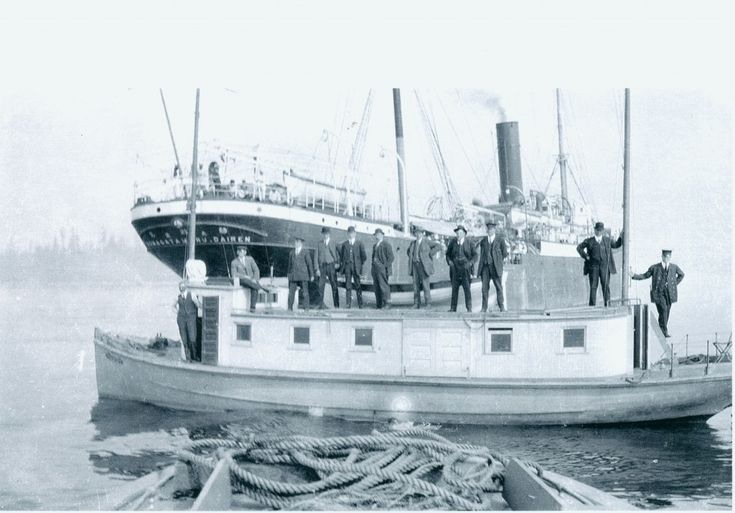
ਵੈਂਕੂਵਰ ਵੱਲ ਸਫ਼ਰ
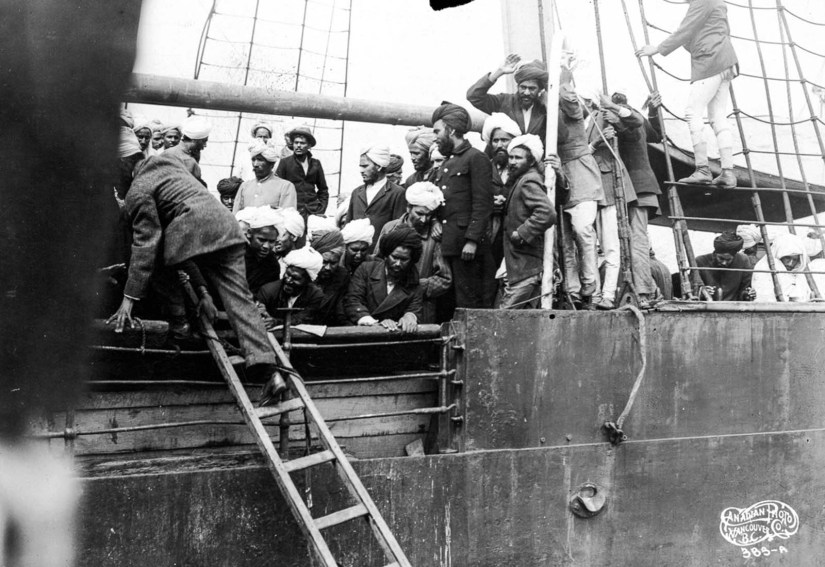
ਕਾਮਾਗਾਟਾਮਾਰੂ 23 ਮਈ 1914 ਨੂੰ ਵੈਂਕੂਵਰ, ਬ੍ਰਿਟਿਸ਼ ਕੋਲੰਬੀਆ ਪਹੁੰਚਿਆ। ਪਰ ਜਦੋਂ ਇਹ ਜਹਾਜ਼ ਪੋਰਟ ਤੇ ਪਹੁੰਚਿਆ, ਕੈਨੇਡਾ ਦੀ ਸਰਕਾਰ ਨੇ ਇਸਨੂੰ ਰੁਕਣ ਦੀ ਆਗਿਆ ਨਾ ਦਿੱਤੀ। ਯਾਤਰੀਆਂ ਨੂੰ ਦੱਸਿਆ ਗਿਆ ਕਿ ਉਹ ਕੈਨੇਡਾ ਵਿੱਚ ਪ੍ਰਵੇਸ਼ ਕਰਨ ਲਈ ਲੋੜੀਂਦੇ ਕਾਨੂੰਨੀ ਮਾਪਦੰਡਾਂ ਨੂੰ ਪੂਰਾ ਨਹੀਂ ਕਰ ਰਹੇ ਹਨ, ਇਸ ਲਈ ਉਹ ਉਤਰ ਨਹੀਂ ਸਕਦੇ। ਸਰਕਾਰ ਨੇ ਯਾਤਰੀਆਂ ਨੂੰ ਕਿਹਾ ਕਿ ਉਹ ਜਾਂ ਤਾਂ ਵਾਪਸ ਭਾਰਤ ਜਾਂ ਹੌਂਗ ਕਾਂਗ ਵਾਪਸ ਜਾ ਸਕਦੇ ਹਨ, ਪਰ ਯਾਤਰੀਆਂ ਨੇ ਇਸ ਤਨਖਾਹ ਦੇ ਆਗਿਆਨਾਮੇ ਨੂੰ ਖੰਡਨ ਕੀਤਾ ਅਤੇ ਉਨ੍ਹਾਂ ਨੇ ਨਜ਼ਦੀਕੀ ਤਰੀਕੇ ਨਾਲ ਰੋਸ਼ਨੀ ਪਾਉਣ ਅਤੇ ਇਮੀਗ੍ਰੇਸ਼ਨ ਦੇ ਕਾਨੂੰਨਾਂ ਨੂੰ ਚੁਣੌਤੀ ਦੇਣ ਦਾ ਫੈਸਲਾ ਕੀਤਾ।
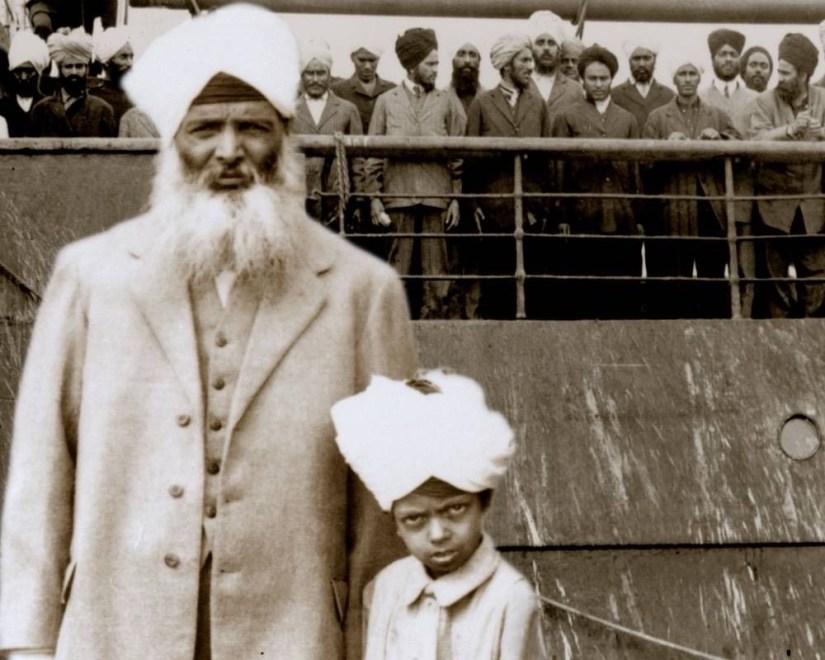
ਰੁਕਾਵਟਾਂ
23 ਮਈ 1914 ਦੀ ਰਾਤ ਨੂੰ, ਕੈਨੇਡਾ ਦੀ ਪੁਲਿਸ ਨੇ ਕਾਮਾਗਾਟਾਮਾਰੂ ’ਤੇ ਜਾ ਕੇ ਯਾਤਰੀਆਂ ਨਾਲ ਮੁਕਾਬਲਾ ਕੀਤਾ, ਪਰ ਯਾਤਰੀਆਂ ਨੇ ਉਸਦਾ ਵਿਰੋਧ ਕੀਤਾ। ਪਰ ਇਸ ਖਬਰ ਨੂੰ ਯਾਤਰੀਆਂ ਦੇ ਖਿਲਾਫ ਬਣਾ ਕੇ ਲੋਕਾਂ ਸਾਹਮਣੇ ਪੇਸ਼ ਕੀਤਾ ਗਿਆ।ਇਹ ਘਟਨਾ ਕੈਨੇਡਾ ਦੇ ਮੀਡੀਆ ਵਿੱਚ ਪਬਲਿਸ਼ ਹੋਈ ਅਤੇ ਦੂਸਰੇ ਦੇਸ਼ਾਂ ਵਿੱਚ ਵੀ ਇਸਦੀ ਚਰਚਾ ਹੋਈ।

ਕਾਮਾਗਾਟਾਮਾਰੂ ਦਾ ਵਾਪਸੀ ਅਤੇ ਕਲਕੱਤਾ ਵਿੱਚ ਗੋਲੀਬਾਰੀ
ਕਾਮਾਗਾਟਾਮਾਰੂ 23 ਜੁਲਾਈ 1914 ਨੂੰ ਵਾਪਸ ਭਾਰਤ ਲਈ ਰਵਾਨਾ ਹੋ ਗਿਆ। ਇਹ ਕਲਕੱਤਾ (ਹੁਣ ਕਲਕੱਤਾ) ਵਿੱਚ 29 ਸਤੰਬਰ 1914 ਨੂੰ ਪਹੁੰਚਿਆ, ਪਰ ਇਥੇ ਵੀ ਯਾਤਰੀਆਂ ਨੂੰ ਉਤਰਣ ਦੀ ਆਗਿਆ ਨਹੀਂ ਮਿਲੀ। ਉਨ੍ਹਾਂ ਨੂੰ ਇੱਕ ਖਾਸ ਟ੍ਰੇਨ ਤੇ ਚੜ੍ਹਾ ਕੇ ਪੰਜਾਬ ਵੱਲ ਭੇਜਣ ਦੀ ਕੋਸ਼ਿਸ਼ ਕੀਤੀ ਗਈ, ਪਰ ਯਾਤਰੀਆਂ ਨੇ ਇਸ ਨੂੰ ਰੱਦ ਕਰ ਦਿੱਤਾ। ਬ੍ਰਿਟਿਸ਼ ਪੁਲਿਸ ਨੇ ਗੋਲੀਬਾਰੀ ਕਰ ਦਿੱਤੀ, ਜਿਸ ਵਿੱਚ ਕਈ ਯਾਤਰੀ ਮਾਰੇ ਗਏ, ਅਤੇ ਬਹੁਤ ਸਾਰੇ ਜਖਮੀ ਹੋਏ। ਕੁਝ ਯਾਤਰੀ ਜੰਗਲਾਂ ਵਿੱਚ ਲੁਕ ਗਏ। ਸੰਗਤਾਂ ਦੀ ਬੇਨਤੀ ਤੇ ਬਾਬਾ ਗੁਰਦਿੱਤ ਸਿੰਘ ਨੂੰ ਉੱਥੋ ਲੁਕਾ ਕੇ ਬਾਹਰ ਕੱਢ ਦਿੱਤਾ।
ਗੁਰਦਿੱਤ ਸਿੰਘ ਦੀ ਕਿਸਮਤ
ਗੁਰਦਿੱਤ ਸਿੰਘ ਨੂੰ ਇਹ ਘਟਨਾ ਸ਼ੁਰੂ ਕਰਨ ਦੇ ਨਾਲ ਕਈ ਮੁਸ਼ਕਲਾਂ ਦਾ ਸਾਹਮਣਾ ਕਰਨਾ ਪਿਆ। ਉਸਨੇ ਇਸ ਅਣੁਕੂਲ ਹਾਲਾਤ ਵਿੱਚ ਵੀ ਸਖ਼ਤ ਰਾਹ ਅਪਣਾਇਆ ਅਤੇ ਭਾਰਤੀ ਇਮੀਗ੍ਰੈਂਟਸ ਲਈ ਜੁਝਾਰੂ ਤਰੀਕੇ ਨਾਲ ਲੜਾਈ ਜਾਰੀ ਰੱਖੀ।
ਅੰਤਿਮ ਚਰਨ ਅਤੇ ਵਿਰਾਸਤ
ਬੱਦ ਬੱਦ ਦੀ ਘਟਨਾ ਤੋਂ ਬਾਅਦ ਬਾਬਾ ਗੁਰਦਿੱਤ ਸਿੰਘ ਬਚ ਨਿਕਲੇ ਅਤੇ ਕਈ ਸਾਲ ਤੱਕ ਗੁਪਤ ਜੀਵਨ ਜੀਉਂਦੇ ਰਹੇ। ਉਹ ਕਿੰਨੇ ਸਾਲਾਂ ਤੱਕ ਪੁਲਿਸ ਤੋਂ ਬੱਚਦੇ ਰਹੇ ਕਿਉਂਕਿ ਬ੍ਰਿਟਿਸ਼ ਸਰਕਾਰ ਉਨ੍ਹਾਂ ਦੀ ਗ੍ਰਿਫਤਾਰੀ ਦੀ ਕੋਸ਼ਿਸ਼ ਕਰ ਰਹੀ ਸੀ। ਆਖ਼ਰਕਾਰ, ਮਹਾਤਮਾ ਗਾਂਧੀ ਦੀ ਸਲਾਹ ’ਤੇ ਉਨ੍ਹਾਂ ਨੇ 1920 ਵਿੱਚ ਨਨਕਾਣਾ ਸਾਹਿਬ ਵਿਖੇ ਆਪਣੇ ਆਪ ਨੂੰ ਹਕੂਮਤ ਅੱਗੇ ਹਾਜ਼ਰ ਕੀਤਾ। ਉਨ੍ਹਾਂ ਨੂੰ ਪੰਜ ਸਾਲ ਦੀ ਸਜ਼ਾ ਹੋਈ। ਜੇਲ੍ਹ ਵਿੱਚ ਵਕ਼ਤ ਕੱਟਣ ਤੋਂ ਬਾਅਦ, ਉਹ ਕੋਲਕਾਤਾ ਵਿਖੇ ਵਸੇ ਰਹੇ।
24 ਜੁਲਾਈ 1954 ਨੂੰ 93 ਸਾਲ ਦੀ ਉਮਰ ਵਿੱਚ ਉਨ੍ਹਾਂ ਦਾ ਦੇਹਾਂਤ ਹੋ ਗਿਆ। ਉਨ੍ਹਾਂ ਦੀ ਅੰਤਿਮ ਵਿਦਾਈ ਉਨ੍ਹਾਂ ਦੇ ਪਿੰਡ ਸਰਹਾਲੀ ਕਲਾਂ (ਜ਼ਿਲ੍ਹਾ ਤਰਨਤਾਰਨ) ਵਿੱਚ ਹੋਈ। ਉਨ੍ਹਾਂ ਦੇ ਪਰਿਵਾਰ ਵਿੱਚ ਇਕ ਪੁੱਤਰ ਬਾਬਾ ਬਲਵੰਤ ਸਿੰਘ ਅਤੇ ਉਸ ਤੋਂ ਬਾਅਦ ਪੋਤੇ ਰਹੇ, ਜਿਨ੍ਹਾਂ ਵਿੱਚੋਂ ਕੁਝ ਅੱਜ ਵੀ ਭਾਰਤ, ਕੈਨੇਡਾ ਅਤੇ ਅਮਰੀਕਾ ਵਿੱਚ ਵੱਸਦੇ ਹਨ।
ਬਾਬਾ ਗੁਰਦਿੱਤ ਸਿੰਘ ਦੀ ਜ਼ਿੰਦਗੀ ਅਤੇ ਕਾਮਾਗਾਟਾਮਾਰੂ ਦੀ ਘਟਨਾ ਹਮੇਸ਼ਾ ਲਈ ਆਜਾਦੀ ਦੀ ਲਹਿਰ ਅਤੇ ਪਰਵਾਸੀ ਭਾਰਤੀਆਂ ਦੀ ਲੜਾਈ ਦਾ ਅਟੁੱਟ ਹਿੱਸਾ ਰਹੀ।
Sources:
- Komagata Maru Incident – History of Canada
- “The Komagata Maru Incident” – Encyclopedia of Canadian History
- Baba Gurdit Singh – Biography and Legacy, Sikh History
- “The Komagata Maru” – University of British Columbia Archives
Baba Gurdit Singh was born on 25 August 1860 in Sarhali, a village located in the Amritsar district of the Punjabregion, which was then part of British India. He was born into the Dhillon Jatt family, and his father, Sardar Hukam Singh, was a prominent figure who had migrated to British Malaya (present-day Malaysia), where he worked as a contractor. His family background was significant in both military and socio-economic terms.
Grandfather’s Legacy
Baba Gurdit Singh’s grandfather, Sardar Rattan Singh Dhillon, was a revered figure in Sikh history. He had been a high-ranking officer in the Sikh Khalsa Army and participated actively in the First and Second Anglo-Sikh Wars. Rattan Singh had a fierce reputation as a warrior and fought valiantly against the British forces. Following the annexation of the Punjab Sikh Kingdom by the British in 1849, Rattan Singh was offered a jagir (land grant) by the British. However, he famously declined the offer, maintaining his loyalty to the Sikh sovereignty and resisting British influence. This act of defiance set a strong precedent for the values of resistance to colonial rule, a sentiment that was likely passed down to his descendants.
Father’s Role and Migration
Baba Gurdit Singh’s father, Sardar Hukam Singh, was a key figure in the family’s migration story. Hukam Singh left India and moved to Malaya in search of better opportunities. He settled there as a contractor and worked on various business projects. Despite being separated from his family for much of his life, he maintained a steady income and provided for his children in India. Gurdit Singh, growing up without his father’s presence in his formative years, received very little formal education in his childhood.
Though his father had left for Malaya, Baba Gurdit Singh had an early exposure to business, as the family’s financial stability was supported by his father’s work in Malaya.
This blend of a military heritage (from his grandfather) and a business-minded upbringing (from his father) would later play an important role in shaping Gurdit Singh’s actions and resolve, especially during the Komagata Maru incident, where his ability to navigate both leadership and business expertise would be crucial.
This family background also helped shape his attitude toward resistance to British rule and played a pivotal role in his later activism.
Between 1909 and 1914, Gurdit Singh was involved in a variety of activities that contributed to his decision to charter the Komagata Maru ship. Here’s a more detailed look at what happened during that time, leading up to the Komagata Maru incident:
1909 – 1914: Between Returning to India and the Komagata Maru Incident
- Return to India (1909):After spending many years in Singapore and Malaya, Gurdit Singh returned to his native village, Sarhali in the Amritsar district of Punjab in 1909. His return to India was partly motivated by his increasing frustration with the political and social conditions in British India, as well as the growing discrimination faced by Indians in countries like Canada and South Africa.
- Social Activism and Raising Voice Against Forced Labour (1911):Once back in India, Gurdit Singh became actively involved in social and political causes. One of the first issues he took up was the begar system, which was a form of forced labor imposed by the British. In 1911, Gurdit Singh strongly condemned the practice and raised his voice against it. He even wrote to the government, complaining about officials who were forcing poor villagers to work without any compensation. When he received no response, he encouraged villagers to refuse to partake in this exploitative practice.
- Increased Awareness of Immigration Laws and Exclusion:During the period between 1909 and 1914, Gurdit Singh became increasingly aware of the discriminatory immigration laws in countries like Canada and South Africa. These laws were designed to block the entry of Indians, including those who were British subjects, from entering these countries. Gurdit Singh recognized the growing hardship faced by his fellow countrymen who sought to migrate and start a better life in places like Canada, where many had already settled in search of work and a better future.
- Connection with the Ghadar Party and Rising Nationalism:Around the same time, the Ghadar Party, an organization focused on fighting British rule in India, was becoming more prominent. Founded by Indian expatriates, particularly in the United States and Canada, the Ghadar Party called for an armed revolt against British colonialism. Gurdit Singh, who was already politically aware and active, sympathized with the Ghadar Party’s cause and became connected to its network.His increasing involvement with the Ghadar Party and his exposure to the growing nationalist sentiment among the Indian diaspora led him to consider taking more direct action to challenge British colonial policies, especially the immigration restrictions.
- Formulation of the Plan to Charter the Komagata Maru (1914):By 1914, Gurdit Singh decided to take action in a bold and strategic manner. He recognized that the “continuous journey regulation”, which was part of Canada’s immigration laws, was a major obstacle for Indian immigrants. This regulation stated that immigrants from Asia had to travel directly to Canada without stopping in any other country. However, there was no direct shipping line from India to Canada, which effectively barred most Indians from entering Canada.In response to this, Gurdit Singh came up with the idea of chartering a ship to challenge the continuous journey rule. He decided to charter the Komagata Maru, a Japanese ship, and fill it with Indian passengers. This was an attempt to bypass the restrictions by making a direct journey from Hong Kong to Vancouver.Gurdit Singh’s intention was to bring attention to the discriminatory laws and challenge the Canadian government’s restrictions. He wanted to force the issue into the public eye and help open the doors of immigration for Indians.
In Summary (1909–1914)
- 1909: Gurdit Singh returned to India and became more involved in social and political activism.
- 1911: He took a stand against forced labor (begar) and encouraged villagers to resist.
- 1911-1914: He became more aware of the immigration barriers and discriminatory laws against Indians, especially in Canada and South Africa.
- 1914: Gurdit Singh connected with the Ghadar Party, a growing movement, and decided to take action by chartering the Komagata Maru to challenge Canada’s immigration laws.
This period from 1909 to 1914 set the stage for the Komagata Maru incident and was a critical time in the life of Baba Gurdit Singh, as he moved from social activism to directly challenging colonial immigration policies.

Komagata Maru Incident – Gurdit Singh’s Involvement
Background and the Path to the Komagata Maru Incident
By 1914, many Indians were facing harsh restrictions when attempting to immigrate to Canada. One of the main obstacles for Indian immigrants was the Continuous Journey Regulation implemented by the Canadian government in 1908, which stated that immigrants could only enter Canada if they had traveled directly from their country of origin to Canada without stopping in any other country. This law effectively barred most South Asians, especially those from India, because no ships from India could make a direct journey to Canada without stopping at other ports, such as those in Hong Kong or Japan.
At this time, Gurdit Singh, who had been living in Singapore and Malaysia, became deeply aware of the suffering and struggles that Indian immigrants were enduring due to the discriminatory laws imposed by Canada. He, too, had experienced the discriminatory restrictions as a businessman who had traveled across various countries, including Singapore and Malaya.
Raising Awareness and Taking Action
While in Hong Kong in early 1914, Gurdit Singh became more involved in supporting the rights of Indian workers and immigrants. He also sympathized with the cause of the Ghadar Party, which had been founded by Indian expatriates in the United States and Canada in 1913. The Ghadar Party aimed at overthrowing British rule in India and had been involved in efforts to bring attention to the injustices faced by Indian workers and immigrants in the British colonies.
In Hong Kong, Singh reportedly joined the Ghadarite movement and began to think of ways to fight back against Canada’s immigration restrictions. He believed that the Continuous Journey Regulation was an unjust barrier to Indian immigration and sought a way to challenge it directly.
Chartering the Komagata Maru
In 1914, Gurdit Singh came up with the bold idea of chartering a ship to bring a group of Indian immigrants to Canada, with the aim of challenging the discriminatory policies. He chose to hire the Komagata Maru, a Japanese steamship, to carry the passengers. His plan was to test the limits of Canada’s immigration laws and provide an opportunity for Indian immigrants to enter Canada, thereby bypassing the law by using a direct route from Hong Kong to Vancouver. Singh also hoped that his actions would draw international attention to the issue of Indian immigration rights.
On 3 April 1914, the Komagata Maru set sail from Hong Kong with 376 passengers aboard, of whom 351 were Punjabi Sikhs, 21 were Punjabi Muslims, and the remaining were Hindus. The passengers included many workers, farmers, and businesspeople who were eager to make a new life in Canada. Singh personally knew many of them and was deeply invested in their journey.
Journey to Vancouver
The ship sailed to Vancouver, British Columbia, arriving on 23 May 1914. However, as soon as the Komagata Maru reached Vancouver’s port, the passengers faced a harsh and cold reception. The Canadian government had already made arrangements to prevent the ship from docking. The passengers were told that they would not be allowed to disembark because they failed to meet Canada’s immigration requirements, particularly the Continuous Journey Regulation.
The passengers on the Komagata Maru were stranded on the ship for weeks. During this period, they were subjected to poor conditions and were not allowed to land. The Canadian authorities offered them the option of returning to India or being sent to Hong Kong, but they refused to leave, determined to fight the discriminatory laws.
Conflict and Repression
On the night of 23 May 1914, as tensions grew, Canadian police boarded the Komagata Maru, attempting to forcefully remove the passengers. The passengers resisted, and a confrontation ensued, which was widely reported in Canadian newspapers. The incident drew national attention and became a symbol of the struggle for Indian rights in Canada.
The standoff lasted for two months, until July 1914. Finally, after diplomatic pressure from British authorities, the Canadian government agreed to allow the ship to leave. The ship was refueled and provisioned, but the passengers were forced to return to India.
Return to India and Tragedy in Budge Budge
The Komagata Maru left Vancouver on 23 July 1914 and headed back towards India. However, the situation in India was tense, and the ship’s arrival in Calcutta (now Kolkata) on 29 September 1914 was marked by further resistance. The British authorities would not allow the passengers to disembark, and they were forced to dock at Budge Budge, 15 miles outside of the city.
In Budge Budge, a confrontation took place between the passengers and the police, which led to violent clashes. The British forces opened fire on the unarmed passengers, killing a number of them. Many of the passengers were either killed or wounded, while some managed to escape into hiding.
Gurdit Singh’s Fate
Gurdit Singh, having played a central role in organizing the Komagata Maru and leading the efforts to challenge Canada’s immigration laws, faced great personal danger after the incident. He was not among those killed, but he remained in hiding for several years. The authorities had been actively searching for him, but Gurdit Singh evaded capture.
After a period of underground resistance, Gurdit Singh finally surrendered to the British authorities in 1920, following the advice of Mahatma Gandhi. He was imprisoned for five years and later released.
Legacy and Reflection
The Komagata Maru incident became a significant moment in the fight for justice for Indian immigrants and workers. It highlighted the deeply entrenched racism and exclusionary policies faced by Indians in Canada, and the determination of people like Gurdit Singh to challenge those policies.
In the years following the incident, the Komagata Maru became a symbol of the struggle for equality, and Gurdit Singh’s role in this movement made him a respected figure among Indian nationalists and later generations of Indian immigrants. His efforts to fight for the rights of his people remain an important chapter in the history of Canada’s immigration policies and the global movement for Indian independence.
Sources:
- Komagata Maru Incident – History of Canada
- “The Komagata Maru Incident” – Encyclopedia of Canadian History
- Baba Gurdit Singh – Biography and Legacy, Sikh History
- “The Komagata Maru” – University of British Columbia Archives
 EtherealPanjab