

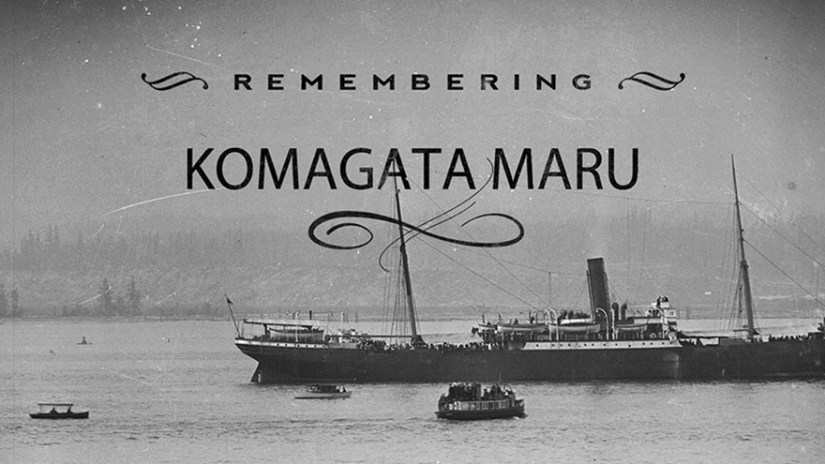
ਕੋਮਾਗਾਟਾ ਮਾਰੂ ਘਟਨਾ: ਇਤਿਹਾਸਕ ਸੰਘਰਸ਼ ਅਤੇ ਬੇਇਨਸਾਫੀ ਦੀ ਇਕ ਕਾਲੀ ਕਹਾਣੀ
(Komagata Maru Incident: A Dark Tale of Injustice and Resistance)
ਕੋਮਾਗਾਟਾ ਮਾਰੂ ਤੋਂ ਪਹਿਲਾਂ – ਪਹਿਲੀ ਯੋਜਨਾ ਅਤੇ ਕੋਸ਼ਿਸ਼
ਗੁਰਦਿੱਤ ਸਿੰਘ ਦੀ ਪਹਿਲੀ ਯੋਜਨਾ (1913)
ਕਾਮਾਗਾਟਾਮਾਰੂ ਦੀ ਯਾਤਰਾ ਤੋਂ ਪਹਿਲਾਂ ਵੀ ਭਾਈ ਗੁਰਦਿੱਤ ਸਿੰਘ ਨੇ 1913 ਵਿੱਚ ਇੱਕ ਜਹਾਜ਼ ਰਾਹੀਂ ਭਾਰਤੀ ਯਾਤਰੀਆਂ ਨੂੰ ਕੈਨੇਡਾ ਲਿਜਾਣ ਦੀ ਪਹਿਲੀ ਯੋਜਨਾ ਬਣਾਈ ਸੀ। ਇਹ ਯੋਜਨਾ ਅਜਿਹਾ ਸੰਕੇਤ ਸੀ ਕਿ ਉਹ ਕੈਨੇਡਾ ਦੀ ਨਸਲੀ “ਕਨਟੀਨਿਊਅਸ ਜਰਨੀ ਲਾਅ” ਨੂੰ ਚੁਣੌਤੀ ਦੇਣਾ ਚਾਹੁੰਦੇ ਸਨ।
ਉਸ ਸਮੇਂ ਉਨ੍ਹਾਂ ਨੇ “ਗੁਰਮੁਖ਼” ਨਾਂ ਦੇ ਇੱਕ ਹੋਰ ਜਹਾਜ਼ ਦੀ ਚਾਰਟਰਿੰਗ ਜਾਂ ਖਰੀਦ ਦੀ ਕੋਸ਼ਿਸ਼ ਕੀਤੀ ਸੀ (ਕੁਝ ਰਿਕਾਰਡਾਂ ਵਿੱਚ ਇਹ ਜਹਾਜ਼ ਸਿਰਫ਼ ਯੋਜਨਾ ਅੰਦਰ ਹੀ ਰਿਹਾ)। ਉਨ੍ਹਾਂ ਨੇ ਜਹਾਜ਼ ਲਈ ਦੋ ਸਾਲਾਂ ਤਕ ਪੈਸਾ ਇਕੱਠਾ ਕੀਤਾ, ਜਿਸ ਵਿੱਚ ਵਿਅਕਤੀਗਤ ਪੂੰਜੀ ਵੀ ਲੱਗੀ, ਤੇ ਸਿੰਗਾਪੁਰ, ਮਲੇਸ਼ੀਆ, ਅਤੇ ਹੌਂਗਕੌਂਗ ਵਿਚ ਭਾਰਤੀ ਭਾਈਚਾਰੇ ਦੀ ਮਦਦ ਵੀ ਲੈਣ ਦੀ ਕੋਸ਼ਿਸ਼ ਕੀਤੀ। ਇਹ ਯਤਨ 1913 ਦੇ ਆਸ ਪਾਸ ਹੋਇਆ।
ਪਰ ਕਈ ਕਾਰਨਾਂ ਕਰਕੇ ਇਹ ਪਹਿਲੀ ਯੋਜਨਾ ਅਮਲ ਵਿੱਚ ਨਹੀਂ ਆ ਸਕੀ — ਜਾਂ ਤਾਂ ਵਿੱਤ ਦੀ ਘਾਟ, ਜਾਂ ਜਹਾਜ਼ ਦੀ ਉਪਲਬਧਤਾ ਨਾ ਹੋਣਾ, ਜਾਂ ਫਿਰ ਬ੍ਰਿਟਿਸ਼ ਅਤੇ ਕੈਨੇਡੀਅਨ ਅਥਾਰਟੀਜ਼ ਦੀ ਰੁਕਾਵਟ। ਇਹੀ ਤਜਰਬਾ ਉਨ੍ਹਾਂ ਨੂੰ ਕੋਮਾਗਾਟਾ ਮਾਰੂ ਲਈ ਹੋਰ ਸੋਚ-ਵਿਚਾਰ ਅਤੇ ਯੋਜਨਾ ਬਣਾਉਣ ਲਈ ਮਜਬੂਰ ਕਰਦਾ ਹੈ। ਅਸਲ ਕਾਰਨ ਕੈਨੇਡੀਅਨ ਸਰਕਾਰ ਹੀ ਸੀ । ਕਿਉਂਕਿ ਇਹ “ਕਨਟਿਨਯੂਅਸ ਜਰਨੀ ਲਾਅ” (Continuous Journey Regulation) ਦੇ ਉਲੰਘਣ ਵਿੱਚ ਆਉਂਦਾ ਸੀ — ਜਿਸ ਅਧੀਨ ਕਿਸੇ ਵੀ ਵਿਅਕਤੀ ਨੂੰ ਉਹਦੋਂ ਤੱਕ ਕੈਨੇਡਾ ਵਿੱਚ ਦਾਖ਼ਲ ਹੋਣ ਦੀ ਇਜਾਜ਼ਤ ਨਹੀਂ ਸੀ ਜਦ ਤੱਕ ਉਹ ਕਿਸੇ ਐਸੇ ਜਹਾਜ਼ ਰਾਹੀਂ ਨਾ ਆਵੇ ਜੋ ਬਿਨਾਂ ਰੁਕੇ ਸਿੱਧਾ ਕੈਨੇਡਾ ਆਉਂਦਾ ਹੋਵੇ।
Sources:
South Asian Studies Institute, University of the Fraser Valley
Hugh Johnston, The Voyage of the Komagata Maru
Ali Kazimi, Undesirables: White Canada and the Komagata Maru
Government of Canada Archives
ਭਾਗ 1: ਪਿਛੋਕੜ ਅਤੇ ਯਾਤਰਾ ਦੀ ਸ਼ੁਰੂਆਤ
20ਵੀਂ ਸਦੀ ਦੀ ਸ਼ੁਰੂਆਤ ’ਚ, ਕੈਨੇਡਾ ਅਤੇ ਹੋਰ ਪੱਛਮੀ ਦੇਸ਼ਾਂ ਨੇ ਭਾਰਤੀ – ਖਾਸ ਕਰਕੇ ਪੰਜਾਬੀ ਸਿੱਖਾਂ – ਦੀ ਆਬਾਦੀ ਵਿੱਚ ਵਾਧੇ ਨੂੰ ਰੋਕਣ ਲਈ ਸਖ਼ਤ ਅਤੇ ਨਸਲੀ ਕਾਨੂੰਨ ਬਣਾਏ। 1908 ਵਿੱਚ, ਕੈਨੇਡੀਅਨ ਸਰਕਾਰ ਨੇ “ਕਨਟੀਨਿਊਅਸ ਜਰਨੀ ਐਕਟ” ਲਾਗੂ ਕੀਤਾ, ਜਿਸ ਤਹਿਤ ਕੋਈ ਵੀ ਵਿਅਕਤੀ ਜਦ ਤੱਕ ਭਾਰਤ ਤੋਂ ਰੁਕਾਵਟ ਰਹਿਤ ਯਾਤਰਾ ਕਰਕੇ ਕੈਨੇਡਾ ਨਹੀਂ ਆਉਂਦਾ, ਉਸ ਨੂੰ ਕੈਨੇਡਾ ਵਿੱਚ ਦਾਖ਼ਲ ਹੋਣ ਦੀ ਇਜਾਜ਼ਤ ਨਹੀਂ ਮਿਲਦੀ। ਇਹ ਤਕਨੀਕੀ ਰੂਪ ਵਿੱਚ ਇੱਕ ਚਲਾਕੀ ਸੀ, ਕਿਉਂਕਿ ਭਾਰਤ ਤੋਂ ਕੈਨੇਡਾ ਦੀ ਸਿੱਧੀ ਰੇਗੂਲਰ ਸਮੁੰਦਰੀ ਲਾਈਨ ਮੌਜੂਦ ਨਹੀਂ ਸੀ।
ਭਾਈ ਗੁਰਦਿਤ ਸਿੰਘ ਸਰਹਾਲੀ, ਜੋ ਕਿ ਸਿੰਘਾਪੁਰ ਵਿੱਚ ਇੱਕ ਪ੍ਰਭਾਵਸ਼ਾਲੀ ਵਪਾਰੀ ਅਤੇ ਸਮਾਜਿਕ ਨੇਤਾ ਸਨ, ਉਹਨਾਂ ਨੇ ਇਸ ਨਸਲੀ ਕਾਨੂੰਨ ਨੂੰ ਪ੍ਰਤੱਖ ਚੁਣੌਤੀ ਦੇਣ ਦਾ ਫੈਸਲਾ ਕੀਤਾ।ਉਨ੍ਹਾਂ ਦਾ ਮਤਲਬ ਇਹ ਨਹੀਂ ਸੀ ਕਿ ਸਿਰਫ਼ ਕੈਨੇਡਾ ਜਾਣਾ ਹੈ, ਸਗੋਂ ਇਹ ਸਾਬਤ ਕਰਨਾ ਸੀ ਕਿ ਭਾਰਤੀ ਵਿਅਕਤੀਆਂ ਦੀ ਆਵਾਜਾਈ ’ਤੇ ਰੋਕ ਨਸਲਵਾਦ ਤੇ ਗ਼ੈਰ ਕਾਨੂੰਨੀ ਹੈ।
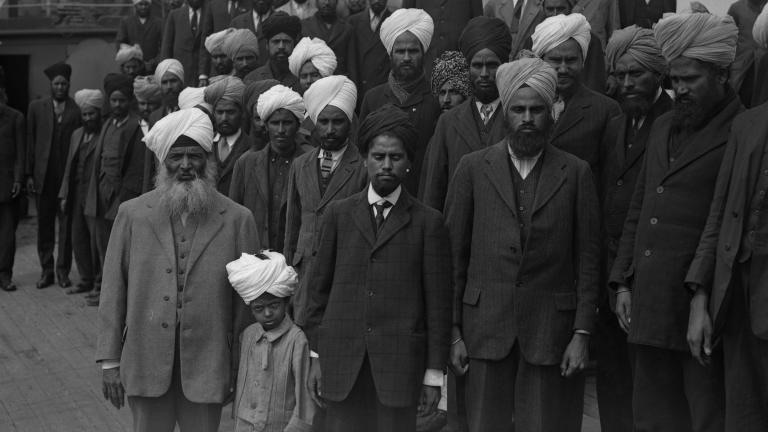
1913 ਦੇ ਆਖ਼ਰ ਜਾਂ 1914 ਦੀ ਸ਼ੁਰੂਆਤ ਵਿੱਚ, ਗੁਰਦਿੱਤ ਸਿੰਘ ਨੇ ਜਪਾਨ ਦੀ ਇਕ ਕੰਪਨੀ ਨਿਪੋਨ ਯੂਸਨ ਕੈਸ਼ਾ ਤੋਂ ਕੋਮਾਗਾਟਾ ਮਾਰੂ ਨਾਮਕ ਜਹਾਜ਼ ਕਿਰਾਏ ’ਤੇ ਲਿਆ। ਇਹ ਜਹਾਜ਼ ਅਸਲ ਵਿੱਚ ਕੋਲਾ ਲਿਜਾਣ ਵਾਲਾ ਵਪਾਰੀ ਜਹਾਜ਼ ਸੀ, ਜਿਸ ਨੂੰ 376 ਭਾਰਤੀ ਯਾਤਰੀਆਂ (ਜਿਨ੍ਹਾਂ ਵਿੱਚ ਜ਼ਿਆਦਾਤਰ ਸਿੱਖ ਕਿਸਾਨ-ਸਿਪਾਹੀ, ਕੁਝ ਮੁਸਲਮਾਨ, ਅਤੇ ਥੋੜ੍ਹੇ ਹਿੰਦੂ) ਨੂੰ ਲਿਜਾਣ ਲਈ ਤਿਆਰ ਕੀਤਾ ਗਿਆ।
ਇਹ ਰੂਟ ਕੁਝ ਇਸ ਤਰ੍ਹਾ ਸੀਃ
ਕਾਮਾਗਾਟਾਮਾਰੂ ਮਾਰੂ ਜਹਾਜ਼ ਦਾ ਰੂਟ (Komagata Maru Route – 1914)
ਪੂਰਾ ਯਾਤਰਾ ਰੂਟ ਅਤੇ ਮਹੱਤਵਪੂਰਨ ਤਰੀਕਾਂਃ
ਕਲਕੱਤਾ (ਭਾਰਤ) – ਇੱਥੋਂ ਯਾਤਰੀਆਂ ਨੇ ਸ਼ੁਰੂਆਤੀ ਤੌਰ ’ਤੇ ਜਹਾਜ਼ ‘Komagata Maru’ ‘ਚ ਨਹੀਂ ਚੜ੍ਹੇ ਸੀ। ਇੱਥੇ ਤੋਂ ਉਹ ਵੱਖ-ਵੱਖ ਰਸਤੇ ਰਾਹੀਂ ਹੋਂਗ ਕਾਂਗ ਲਈ ਨਿਕਲੇ।
ਸਿੰਘਾਪੁਰ (Singapore) – ਬਾਬਾ ਗੁਰਦਿੱਤ ਸਿੰਘ ਇੱਥੋਂ ਯਾਤਰੀ ਇਕੱਠੇ ਕਰਦੇ ਗਏ। ਸਿੰਘਾਪੁਰ ਵੀਰਵਾਰ, 7 ਮਾਰਚ 1914 ਨੂੰ ਜਹਾਜ਼ ਨੇ ਇੱਥੇ ਵਿਸ਼੍ਰਾਮ ਲਿਆ।
ਹੋਂਗ ਕਾਂਗ (Hong Kong) – ਇੱਥੇ ਜਹਾਜ਼ ਵਿੱਚ ਸਾਰੇ ਮੁੱਖ ਯਾਤਰੀ ਸਵਾਰ ਹੋਏ। ਕੁੱਲ 376 ਯਾਤਰੀ: 351 ਸਿੱਖ, 24 ਮੁਸਲਮਾਨ, ਅਤੇ 1 ਹਿੰਦੂ।
ਤਰੀਕ: 3 ਅਪ੍ਰੈਲ 1914
ਸ਼ੰਘਾਈ (Shanghai) – ਇੱਥੇ ਤੋਂ ਜਹਾਜ਼ ਨੇ ਕੋਲਾ (boiler fuel) ਲਿਆ ਅਤੇ ਅੱਗੇ ਵਧਿਆ।
ਯੋਕੋਹਾਮਾ (Yokohama, ਜਪਾਨ) – ਇੱਥੇ ਵੀ ਜਹਾਜ਼ ਨੇ ਰੋਕ ਲਗਾਈ ਸੀ।
ਵੈਂਕੂਵਰ, ਕੈਨੇਡਾ (Vancouver, Canada) – ਪਹੁੰਚ ਦੀ ਤਰੀਕ: 23 ਮਈ 1914 ਜਹਾਜ਼ ਨੂੰ ਬੰਦਰਗਾਹ ਵਿੱਚ ਲੰਘਣ ਦੀ ਇਜਾਜ਼ਤ ਨਹੀਂ ਮਿਲੀ।
2 ਮਹੀਨੇ ਬਾਦ ਜੁਲਾਈ ਵਿੱਚ, ਜਹਾਜ਼ ਨੂੰ ਮੁੜ ਭਾਰਤ ਵਾਪਸ ਭੇਜ ਦਿੱਤਾ ਗਿਆ।
ਕੋਲੋਨ, ਹੋਂਗ ਕਾਂਗ – ਵਾਪਸੀ ਦੇ ਸਮੇਂ ਜਹਾਜ਼ ਇੱਥੇ ਰੁਕਿਆ।
ਸਿੰਘਾਪੁਰ (ਵਾਪਸੀ) ਕਲਕੱਤਾ (29 ਸਤੰਬਰ 1914) – ਕਾਮਾਗਾਟਾਮਾਰੂ ਮਾਰੂ ਇੱਥੇ ਪੁੱਜਾ। ਯਾਤਰੀਆਂ ਨੂੰ ਵੱਡੇ ਲੀਡਰਾਂ ਨਾਲ ਮਿਲਣ ਨਹੀਂ ਦਿੱਤਾ ਗਿਆ ਅਤੇ ਉਨ੍ਹਾਂ ਨੂੰ ਬੱਜ ਬੱਜ (Budge Budge) ਰਾਹੀਂ ਪੰਜਾਬ ਭੇਜਣ ਦੀ ਕੋਸ਼ਿਸ਼ ਕੀਤੀ ਗਈ। ਇੱਥੇ ਹੀ ਗੋਲੀ ਚਲਾਉਣ ਦੀ ਘਟਨਾ ਹੋਈ।
ਗੁਰਦਿੱਤ ਸਿੰਘ ਨੇ ਕਾਮਾਗਾਟਾਮਾਰੂ ਦੀ ਯਾਤਰਾ ਦੀ ਅਗਵਾਈ ਸ਼ੁਰੂ ਤੋਂ ਹੀ ਕੀਤੀ ਸੀ। ਉਹ ਹੋਂਗ ਕਾਂਗ ਤੋਂ ਜਹਾਜ਼ ’ਚ ਸਵਾਰ ਹੋਏ ਅਤੇ ਵੈਂਕੂਵਰ ਤੱਕ ਦੀ ਪੂਰੀ ਯਾਤਰਾ ’ਚ ਸ਼ਾਮਿਲ ਰਹੇ। ਉਹ ਸਿਰਫ਼ ਵਪਾਰੀ ਨਹੀਂ ਸਗੋਂ ਇਮੀਗ੍ਰੇਸ਼ਨ ਕਾਨੂੰਨਾਂ ਨੂੰ ਚੁਣੌਤੀ ਦੇਣ ਵਾਲੇ ਆਗੂ ਦੇ ਤੌਰ ’ਤੇ ਸਾਹਮਣੇ ਆਏ।
ਭਾਗ 2: ਵਿਦੇਸ਼ੀ ਵਿਤਕਰੇ ਅਤੇ ਕੈਨੇਡਾ ਦੀ ਨਸਲੀ ਨੀਤੀ
ਉੱਤਰੀ ਅਮਰੀਕਾ (ਖ਼ਾਸ ਕਰਕੇ ਕੈਨੇਡਾ) ਵਿੱਚ 1900 ਤੋਂ ਲੈ ਕੇ 1914 ਤੱਕ ਭਾਰਤੀਆਂ — ਜਿਨ੍ਹਾਂ ਵਿੱਚ ਜ਼ਿਆਦਾਤਰ ਸਿੱਖ ਸਨ — ਦੀ ਗਿਣਤੀ ਵਧਣੀ ਸ਼ੁਰੂ ਹੋਈ। ਇਹ ਨਵਾਂ ਆਵਾਜਾਈ ਰੁਝਾਨ ਕੈਨੇਡੀਅਨ ਸਰਕਾਰ ਨੂੰ ਚਿੰਤਿਤ ਕਰ ਰਿਹਾ ਸੀ, ਕਿਉਂਕਿ ਉਨ੍ਹਾਂ ਨੇ ਕੈਨੇਡਾ ਨੂੰ ਇੱਕ “ਵਾਈਟ ਮੈਨਜ਼ ਕਨਟਰੀ” ਬਣਾਈ ਰੱਖਣ ਦੀ ਕੋਸ਼ਿਸ਼ ਕੀਤੀ।1. 1908 – “ਕਨਟੀਨਿਊਅਸ ਜਰਨੀ ਲਾਅ” (ਅਤਿਰਿਕਤ ਕਾਇਦੇ)
ਇਹ ਕਾਨੂੰਨ ਮੁਤਾਬਕ ਕੋਈ ਵੀ ਵਿਅਕਤੀ ਸਿਰਫ਼ ਉਨ੍ਹਾਂ ਦੇਸ਼ਾਂ ਤੋਂ ਹੀ ਕੈਨੇਡਾ ਆ ਸਕਦਾ ਸੀ ਜਿਥੋਂ ਨਿਰੰਤਰ ਯਾਤਰਾ (ਬਿਨਾਂ ਕਿਸੇ ਹੋਰ ਦੇਸ਼ ਵਿਚ ਰੁਕੇ) ਹੋ ਸਕਦੀ ਹੋਵੇ।
- ਭਾਰਤ ਤੋਂ ਅਜਿਹਾ ਸਿੱਧਾ ਜਹਾਜ਼ ਮੌਜੂਦ ਨਹੀਂ ਸੀ, ਇਸ ਕਰਕੇ ਇਹ ਕਾਨੂੰਨ ਭਾਰਤੀਆਂ ਲਈ ਤਰਤੀਬ ਦਿੱਤਾ ਗਿਆ ਰੁਕਾਵਟ ਸੀ।
- ਇਹ ਕਾਨੂੰਨ ਪਿਛਲੇ ਪਾਸਪੋਰਟ ਜਾਂ ਟਿਕਟ ਰੂਟ ਦੇ ਆਧਾਰ ’ਤੇ ਲਾਗੂ ਹੁੰਦਾ ਸੀ।
2. $200 ਕੈਸ਼ ਡਿਪਾਜ਼ਿਟ ਨੀਤੀ (1908)
ਇਹ ਨੀਤੀ ਅਨੁਸਾਰ ਕਿਸੇ ਵੀ ਭਾਰਤੀ ਯਾਤਰੀ ਨੂੰ ਕੈਨੇਡਾ ਵਿੱਚ ਪਹੁੰਚਣ ਲਈ $200 ਕੈਸ਼ (ਉਸ ਸਮੇਂ ਲਈ ਬਹੁਤ ਵੱਡੀ ਰਕਮ) ਜਮ੍ਹਾ ਕਰਵਾਉਣੀ ਪੈਂਦੀ ਸੀ।
- ਇਹ ਨੀਤੀ ਨਿਸ਼ਾਨਾ ਬਣਾ ਕੇ ਭਾਰਤੀਆਂ, ਖ਼ਾਸ ਕਰਕੇ ਗਰੀਬ ਮਜ਼ਦੂਰਾਂ, ਨੂੰ ਰੋਕਣ ਲਈ ਬਣਾਈ ਗਈ।
3. ਨਸਲੀ ਪਛਾਣ ਅਤੇ ਜਨਸੰਖਿਆ ਸੰਤੁਲਨ ਦੀ ਨੀਤੀ
ਕੈਨੇਡੀਅਨ ਹਕੂਮਤ ਨੇ ਅੰਗਰੇਜ਼, ਸਕਾਟਿਸ਼ ਅਤੇ ਯੂਰਪੀ ਲੋੜੀਂਦੇ ਆਬਾਦੀ ਹਿੱਸੇ ਵਜੋਂ “ਚਾਹੁੰਦੇ ਅਵਾਜ਼ਾਈ ਗਰੁੱਪ” ਘੋਸ਼ਤ ਕਰ ਦਿੱਤੇ, ਜਦਕਿ ਏਸ਼ੀਆਈ (ਖ਼ਾਸ ਕਰਕੇ ਚੀਨੀ, ਜਪਾਨੀ, ਭਾਰਤੀ) “ਨਾਚਾਹੁੰਦੇ” ਗਰੁੱਪ ਮੰਨੇ ਗਏ।
- ਇਹ ਨੀਤੀਆਂ ਕਾਲੇ, ਭੂਰੇ ਅਤੇ ਪੀਲੇ ਰੰਗ ਦੇ ਲੋਕਾਂ ਦੇ ਵਿਰੁੱਧ ਸੀ।
4. ਸਥਾਨਕ ਭੇਦਭਾਵ — ਬੀ.ਸੀ. ਰਾਜ ਵਿੱਚ ਖੇਤੀ ਅਤੇ ਨੌਕਰੀਆਂ ’ਤੇ ਰੋਕ
ਬ੍ਰਿਟਿਸ਼ ਕੋਲੰਬੀਆ ਵਿੱਚ ਭਾਰਤੀਆਂ ਨੂੰ ਜ਼ਮੀਨ ਖਰੀਦਣ ਜਾਂ ਸਰਕਾਰੀ ਨੌਕਰੀ ਲੈਣ ਤੋਂ ਰੋਕਿਆ ਜਾਂਦਾ ਸੀ।
ਉਨ੍ਹਾਂ ਨੂੰ ਨਾਵਾਂ, ਮਿਲਾਂ ਜਾਂ ਪੱਟਿਆਂ ਵਿੱਚ ਕੰਮ ਕਰਨ ਦੀ ਇਜਾਜ਼ਤ ਤਾਂ ਸੀ, ਪਰ ਨਾਂ ਹੀ ਨਾਗਰਿਕਤਾ ਅਤੇ ਨਾਂ ਹੀ ਕਾਨੂੰਨੀ ਰੱਖਿਆ।
ਭਾਗ 3: ਵੈਂਕੂਵਰ ਪਹੁੰਚ ਅਤੇ ਵਿਰੋਧ
ਵੈਂਕੂਵਰ ਪਹੁੰਚ
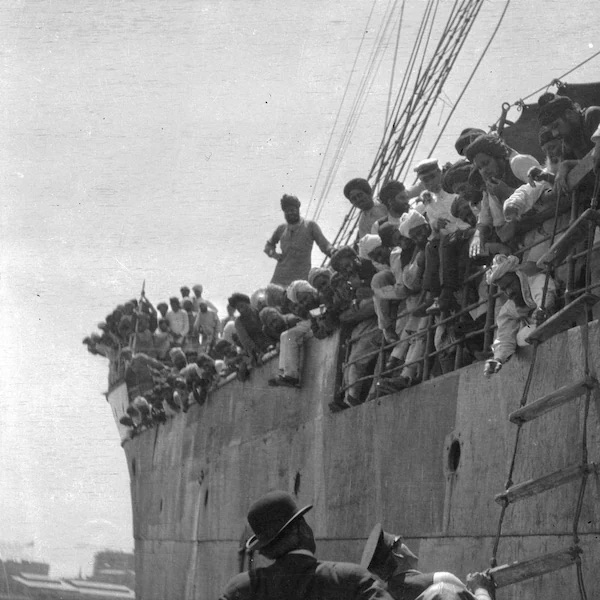
23 ਮਈ 1914 ਨੂੰ ਕੋਮਾਗਾਟਾ ਮਾਰੂ ਜਹਾਜ਼ ਕੈਨੇਡਾ ਦੇ ਬਾਰਡਰ ਇਨਲੈਟ (ਵੈਂਕੂਵਰ ਬੰਦਰਗਾਹ) ਪਹੁੰਚਿਆ। ਜਹਾਜ਼ ’ਤੇ ਸਵਾਰ 376 ਯਾਤਰੀ—ਜਿਨ੍ਹਾਂ ਵਿੱਚ 340 ਸਿੱਖ, 24 ਮੁਸਲਿਮ ਅਤੇ 12 ਹਿੰਦੂ ਸ਼ਾਮਲ ਸਨ—ਸਭ ਬਰਤਾਨਵੀ ਨਾਗਰਿਕ ਸਨ, ਪਰ ਕੈਨੇਡੀਅਨ ਸਰਕਾਰ ਨੇ ਉਨ੍ਹਾਂ ਨੂੰ ਉਤਰਨ ਦੀ ਇਜਾਜ਼ਤ ਨਾ ਦਿੱਤੀ।
ਸੂਬਾ ਬ੍ਰਿਟਿਸ਼ ਕੋਲੰਬੀਆ ਦੇ ਰਖਵਾਲਾ ਮੁਖ ਮੰਤਰੀ ਰਿਚਰਡ ਮੈਕਬ੍ਰਾਈਡ ਨੇ ਖੁਲ੍ਹੇ ਆਮ ਐਲਾਨ ਕਰ ਦਿੱਤਾ ਕਿ ਇਹ ਯਾਤਰੀ ਕਿਸੇ ਹਾਲਤ ਵਿੱਚ ਕੈਨੇਡਾ ਵਿੱਚ ਕਦਮ ਨਹੀਂ ਰੱਖ ਸਕਦੇ।
ਸੰਘਰਸ਼ ਦੀ ਸ਼ੁਰੂਆਤ
ਸਥਾਨਕ ਸਿੱਖ ਭਾਈਚਾਰੇ ਨੇ “ਕਮੇਟੀ” ਬਣਾਈ, ਜਿਸ ਵਿੱਚ ਹੁਸੈਨ ਰਹੀਮ ਅਤੇ ਸੋਹਣ ਲਾਲ ਪਾਠਕ ਵਰਗੇ ਨੇਤਾ ਸ਼ਾਮਲ ਹੋਏ। ਇਨ੍ਹਾਂ ਨੇ ਜਹਾਜ਼ ਦੇ ਯਾਤਰੀਆਂ ਲਈ ਖਾਣ-ਪੀਣ, ਕਾਨੂੰਨੀ ਸਹਾਇਤਾ ਅਤੇ ਆਰਥਿਕ ਮਦਦ ਮੁਹੱਈਆ ਕਰਵਾਈ।
ਇਸ ਕਮੇਟੀ ਨੇ $22,000 ਇਕੱਠੇ ਕੀਤੇ ਅਤੇ ਇੱਕ ਟੈਸਟ ਕੇਸ ਸ਼ੁਰੂ ਕੀਤਾ ਮੁੰਸ਼ੀ ਸਿੰਘ ਵਿਃ ਕੈਨੇਡਾ ਦੇ ਨਾਂ ਤੇ, ਜਿਸ ਰਾਹੀਂ ਉਨ੍ਹਾਂ ਨੇ ਅਦਾਲਤ ਰਾਹੀਂ ਇਨਸਾਫ ਲੈਣ ਦੀ ਕੋਸ਼ਿਸ਼ ਕੀਤੀ।
ਸਰਕਾਰ ਦਾ ਰਵੱਈਆ
ਕੈਨੇਡੀਅਨ ਇਮੀਗ੍ਰੇਸ਼ਨ ਵਿਭਾਗ ਨੇ ਨਵੇਂ Orders-in-Council ਦੇ ਅਧੀਨ ਇਹ ਕੇਸ ਰੱਦ ਕਰਵਾਇਆ। 7 ਜੁਲਾਈ 1914 ਨੂੰ ਸੁਪਰੀਮ ਕੋਰਟ ਨੇ ਫੈਸਲਾ ਦਿੱਤਾ ਕਿ ਇਮੀਗ੍ਰੇਸ਼ਨ ਵਿਭਾਗ ਦੀ ਫੈਸਲੇ ’ਚ ਅਦਾਲਤ ਦਖ਼ਲ ਨਹੀਂ ਕਰ ਸਕਦੀ।
ਤਣਾਅ ਦਾ ਵਾਧਾ
ਯਾਤਰੀਆਂ ਨੇ ਜਪਾਨੀ ਕੈਪਟਨ ਨੂੰ ਹਟਾ ਦਿੱਤਾ ਅਤੇ ਆਪਣੇ ਹੱਕ ਲਈ ਧੱਕਾ ਮੁਕਾ ਸ਼ੁਰੂ ਕਰ ਦਿੱਤਾ। ਕੈਨੇਡਾ ਸਰਕਾਰ ਨੇ ਹਾਰਬਰ ਟਗ ‘ਸੀ ਲਾਇਨ’ ਦੀ ਵਰਤੋਂ ਕਰਕੇ ਜਹਾਜ਼ ਨੂੰ ਵਾਪਸ ਮੋੜਨ ਦੀ ਕੋਸ਼ਿਸ਼ ਕੀਤੀ।
19 ਜੁਲਾਈ ਨੂੰ ਸੰਘਰਸ਼ ਹੋਇਆ। ਜਦੋਂ ਕੈਨੇਡੀਅਨ ਪੁਲਿਸ ਜਹਾਜ਼ ’ਤੇ ਚੜ੍ਹਣ ਲੱਗੀ, ਯਾਤਰੀਆਂ ਨੇ ਕੋਲੇ ਅਤੇ ਇੱਟਾਂ ਨਾਲ ਉਨ੍ਹਾਂ ਉੱਤੇ ਹਮਲਾ ਕਰ ਦਿੱਤਾ। ਅਗਲੇ ਦਿਨ The Vancouver Sun ਨੇ ਲਿਖਿਆ:
“Howling masses of Hindus showered policemen with lumps of coal and bricks… it was like standing underneath a coal chute.”
ਫੌਜੀ ਤਾਇਨਾਤੀ
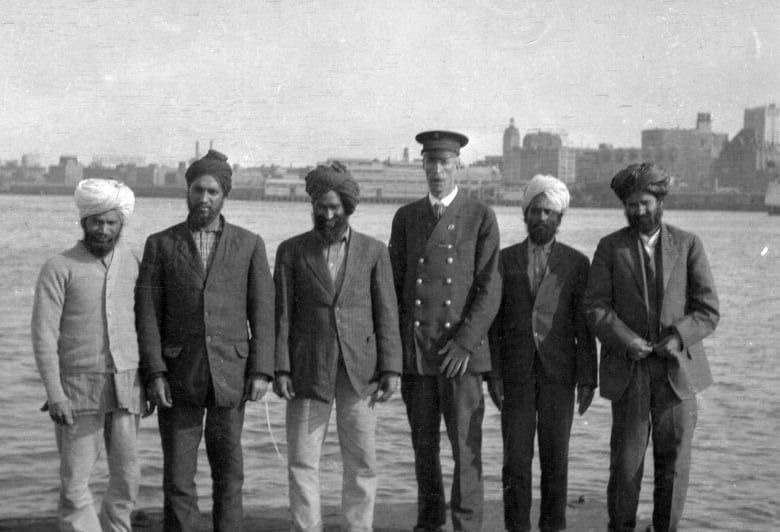
ਸਰਕਾਰ ਨੇ HMCS Rainbow ਜਹਾਜ਼ ਅਤੇ Irish Fusiliers, 72nd Highlanders ਅਤੇ 6th DCOR Regiment ਦੇ ਸੈਨਿਕ ਤਾਇਨਾਤ ਕਰ ਦਿੱਤੇ। ਆਖਿਰਕਾਰ, ਸਿਰਫ 24 ਯਾਤਰੀਆਂ ਨੂੰ ਕੈਨੇਡਾ ਵਿੱਚ ਰਿਹਾਇਸ਼ ਦੀ ਇਜਾਜ਼ਤ ਮਿਲੀ।
23 ਜੁਲਾਈ 1914 ਨੂੰ, ਜਹਾਜ਼ ਨੂੰ ਵਾਪਸ ਏਸ਼ੀਆ ਵੱਲ ਮੋੜ ਦਿੱਤਾ ਗਿਆ।
ਭਾਗ 4: ਭਾਰਤ ਵਾਪਸੀ ਅਤੇ ਬੱਜ ਬੱਜ ਕਤਲੇਆਮ
ਸੰਘਰਸ਼ ਅਤੇ ਤੱਕਲੀਫਾਂ ਭਰੇ 2 ਮਹੀਨੇ ਬਾਅਦ, ਕੋਮਾਗਾਟਾ ਮਾਰੂ ਜਹਾਜ਼ 23 ਜੁਲਾਈ 1914 ਨੂੰ ਕੈਨੇਡਾ ਤੋਂ ਵਾਪਸ ਰਵਾਨਾ ਹੋਇਆ। ਜਹਾਜ਼ ’ਤੇ 352 ਯਾਤਰੀ ਬਚੇ ਹੋਏ ਸਨ—ਸਾਰੇ ਹੀ ਬਰਤਾਨਵੀ ਹਿੰਦustan ਦੇ ਨਾਗਰਿਕ। ਇਹ ਯਾਤਰੀ ਸਮੁੰਦਰ ਰਾਹੀਂ ਮੁੜ ਭਾਰਤ ਵੱਲ ਕੂਚ ਕਰਦੇ ਹੋਏ 26 ਸਤੰਬਰ 1914 ਨੂੰ ਕਾਲਕੱਤਾ (ਹੁਣ ਕੋਲਕਾਤਾ) ਦੇ ਬੰਦਰਗਾਹ ‘ਚ ਪਹੁੰਚੇ।
ਜਦੋਂ ਉਹ ਭਾਰਤ ਆਏ ਤਾਂ ਆਮ ਉਮੀਦਾਂ ਦੇ ਉਲਟ, ਉਥੇ ਉਨ੍ਹਾਂ ਦਾ ਸਵਾਗਤ ਨਹੀਂ ਕੀਤਾ ਗਿਆ। ਬਰਤਾਨਵੀ ਉਪਨਿਵੇਸ਼ੀ ਸਰਕਾਰ ਨੇ ਜਹਾਜ਼ ਨੂੰ ਤੁਰੰਤ ਹੀ ਰੋਕ ਦਿੱਤਾ ਅਤੇ ਇੱਕ ਗਨ ਬੋਟ ਰਾਹੀਂ ਯਾਤਰੀਆਂ ਨੂੰ ਘੇਰ ਲਿਆ ਗਿਆ। ਸਰਕਾਰ ਨੇ ਫ਼ੈਸਲਾ ਕੀਤਾ ਕਿ ਉਨ੍ਹਾਂ ਨੂੰ ਕਾਲਕੱਤਾ ‘ਚ ਉਤਰਣ ਦੀ ਇਜਾਜ਼ਤ ਨਾ ਦੇ ਕੇ, ਕਰੀਬ 17 ਮੀਲ ਦੂਰ ਬਜਬਜ (Budge Budge) ਨਾਂ ਦੇ ਥਾਂ ਉਤਾਰਿਆ ਜਾਵੇ।
ਬਜਬਜ ‘ਚ ਉਨ੍ਹਾਂ ਨੂੰ ਪੰਜਾਬ ਭੇਜਣ ਲਈ ਟਰੇਨਾਂ ’ਚ ਬਿਠਾਉਣ ਦੀ ਕੋਸ਼ਿਸ਼ ਕੀਤੀ ਗਈ, ਪਰ ਜਦ ਯਾਤਰੀਆਂ ਨੇ ਵਿਰੋਧ ਕੀਤਾ, ਤਾਂ ਉਹ ਕਲਕੱਤਾ ਵੱਲ ਪੈਦਲ ਚੱਲ ਪਏ। ਪੁਲਿਸ ਨੇ ਰਸਤੇ ‘ਚ ਰੋਕ ਲਾਈ ਅਤੇ ਉਨ੍ਹਾਂ ਨੂੰ ਜਬਰਨ ਵਾਪਸ ਬਜਬਜ ਲਿਆਂਦਾ ਗਿਆ। ਮਹੌਲ ਤਣਾਅਪੂਰਨ ਹੋ ਗਿਆ ਤੇ 26 ਸਤੰਬਰ ਦੀ ਰਾਤ, ਭਾਰੀ ਗਿਣਤੀ ਵਿੱਚ ਬਰਤਾਨਵੀ ਪੁਲਿਸ ਨੇ ਯਾਤਰੀਆਂ ਉੱਤੇ ਗੋਲੀਆਂ ਚਲਾ ਦਿੱਤੀਆਂ। ਇਸ ਘਟਨਾ ’ਚ ਘੱਟ ਤੋਂ ਘੱਟ 20 ਲੋਕ ਮਾਰੇ ਗਏ ਅਤੇ 9 ਤੋਂ ਵੱਧ ਜ਼ਖਮੀ ਹੋਏ। ਇਹ ਘਟਨਾ ਇਤਿਹਾਸ ਵਿੱਚ “ਬਜਬਜ ਕਤਲੇਆਮ” ਦੇ ਨਾਂ ਨਾਲ ਦਰਜ ਹੋਈ।
ਭਾਈ ਗੁਰਦਿੱਤ ਸਿੰਘ, ਜਿਹੜੇ ਜਹਾਜ਼ ਦੇ ਆਗੂ ਸਨ, ਸੰਗਤਾਂ ਨੇ ਉਹਨਾਂ ਨੂੰ ਬੇਨਤੀ ਕੀਤੀ ਕਿ ਕੌਮ ਨੂੰ ਅਜੇ ਤੁਹਾਡੀ ਲੋੜ ਹੈ ਤੇ ਉਹਨਾਂ ਨੂੰ ਉੱਥੋ ਜਾਣ ਲਈ ਬੇਨਤੀ ਕੀਤੀ। ਉਹ 1922 ਤੱਕ ਲੁੱਕਦੇ ਰਹੇ, ਜਦ ਤੱਕ ਮਹਾਤਮਾ ਗਾਂਧੀ ਨੇ ਉਨ੍ਹਾਂ ਨੂੰ ਆਪਣੇ ਆਪ ਪੇਸ਼ ਹੋਣ ਦੀ ਸਲਾਹ ਦਿੱਤੀ। ਗੁਰਦਿੱਤ ਸਿੰਘ ਨੇ ਆਪਣੇ ਆਪ ਨੂੰ ਹਵਾਲੇ ਕੀਤਾ ਅਤੇ ਪੰਜ ਸਾਲ ਦੀ ਕੈਦ ਭੁਗਤੀ।
ਇਹ ਘਟਨਾ ਭਾਰਤ ਦੇ ਕੌਮੀ ਆਜ਼ਾਦੀ ਅੰਦੋਲਨ ਲਈ ਇੱਕ ਬੜੀ ਪ੍ਰੇਰਣਾ ਬਣੀ। ਇਹ ਸਾਬਤ ਹੋ ਗਿਆ ਕਿ ਭਾਰਤੀਆਂ ਨੂੰ ਬਰਤਾਨਵੀ ਰਾਜ ਦੀਆਂ ਦੁਨੀਆ ਭਰ ‘ਚ ਚੱਲ ਰਹੀਆਂ ਨੀਤੀਆਂ ਤੋਂ ਲੜਨ ਲਈ ਇਕਜੁੱਟ ਹੋਣਾ ਪਵੇਗਾ।
ਭਾਗ 5: ਯਾਦਗਾਰਾਂ ਅਤੇ ਵਿਰਾਸਤ
ਕੋਮਾਗਾਟਾ ਮਾਰੂ ਘਟਨਾ ਨਾ ਸਿਰਫ ਇੱਕ ਜਹਾਜ਼ ਦਾ ਰੋਕਿਆ ਜਾਣ ਸੀ, ਇਹ ਇੱਕ ਸੰਕਟ ਸੀ ਜੋ ਨਸਲੀ ਭੇਦਭਾਵ, ਆਪਣੇ ਹੱਕਾਂ ਲਈ ਲੜਾਈ, ਅਤੇ ਉਪਨਿਵੇਸ਼ੀ ਅਨਿਆਏ ਨੂੰ ਸਮਰਪਿਤ ਹੋ ਗਿਆ। ਭਾਵੇਂ ਭਾਰਤ ਦੀ ਆਜ਼ਾਦੀ ਤੋਂ ਪਹਿਲਾਂ ਇਸ ਘਟਨਾ ਨੂੰ ਜ਼ਿਆਦਾ ਤਰ ਅਣਦੇਖਾ ਕੀਤਾ ਗਿਆ, ਪਰ ਹੁਣ ਇਹ ਕਈ ਪੱਧਰਾਂ ’ਤੇ ਸਨਮਾਨਤ ਕੀਤੀ ਜਾਂਦੀ ਹੈ।
1. ਭਾਈ ਗੁਰਦਿੱਤ ਸਿੰਘ ਦੀ ਮੌਤ ਅਤੇ ਯਾਦਗਾਰੀ
ਭਾਈ ਗੁਰਦਿੱਤ ਸਿੰਘ, ਕਾਮਾਗਾਟਾ ਮਾਰੂ ਜਹਾਜ਼ ਦੇ ਆਗੂ, ਕੈਦ ਕੱਟਣ ਤੋਂ ਬਾਅਦ 1954 ਵਿੱਚ ਦੇਹਾਂਤ ਕਰ ਗਏ। ਉਹਨਾਂ ਦੀ ਕੁਰਬਾਨੀ ਅਤੇ ਹਿੰਮਤ ਨੂੰ ਹੁਣ ਇਤਿਹਾਸਕਾਰ ਅਤੇ ਪੰਜਾਬੀ ਕੌਮ ਵਲੋਂ ਮਾਨਤਾ ਮਿਲੀ ਹੈ। ਅੰਮ੍ਰਿਤਸਰ ਅਤੇ ਲੋਪੋਕੇ ਪਿੰਡ ਵਿੱਚ ਯਾਦਗਾਰਾਂ ਬਣਾਈਆਂ ਗਈਆਂ ਹਨ।
2. ਕੈਨੇਡਾ ਵਲੋਂ ਸਰਕਾਰੀ ਮਾਫੀ
2008 ਵਿੱਚ, ਕੈਨੇਡਾ ਦੇ ਪ੍ਰਧਾਨ ਮੰਤਰੀ ਸਟੀਫਨ ਹੈਰਪਰ ਨੇ ਸਰੀ (BC) ਵਿੱਚ ਇੱਕ ਸਿੱਖ ਸਮਾਗਮ ਦੌਰਾਨ ਕੋਮਾਗਾਟਾ ਮਾਰੂ ਘਟਨਾ ਲਈ ਸਰਕਾਰੀ ਮਾਫੀ ਦਿੱਤੀ। ਪਰ ਇਹ ਮਾਫੀ ਸੰਸਦ ਵਿਚ ਨਹੀਂ ਸੀ ਦਿੱਤੀ, ਜਿਸ ਕਰਕੇ ਕਈ ਲੋਕਾਂ ਨੇ ਇਸਨੂੰ ਅਧੂਰਾ ਮੰਨਿਆ।

2016 ਵਿੱਚ, ਪ੍ਰਧਾਨ ਮੰਤਰੀ ਜਸਟਿਨ ਟਰੂਡੋ ਨੇ ਕੈਨੇਡਾ ਦੀ ਸੰਸਦ ਵਿੱਚ ਖੜ੍ਹੇ ਹੋ ਕੇ ਰਸਮੀ ਤੌਰ ’ਤੇ ਮਾਫੀ ਮੰਗੀ, ਜਿਸਨੂੰ ਇਕ ਮਹੱਤਵਪੂਰਨ ਇਤਿਹਾਸਕ ਪਲ ਮੰਨਿਆ ਜਾਂਦਾ ਹੈ।

3. ਯਾਦਗਾਰੀ ਥਾਂਵਾਂ
- ਵੈਨਕੂਵਰ (ਕੈਨੇਡਾ) ਵਿੱਚ ਕੋਮਾਗਾਟਾ ਮਾਰੂ ਯਾਦਗਾਰ ਹਾਰਬਰ ’ਤੇ ਬਣਾਈ ਗਈ ਹੈ, ਜਿੱਥੇ ਇਹ ਜਹਾਜ਼ ਖੜ੍ਹਿਆ ਸੀ।
- ਅੰਮ੍ਰਿਤਸਰ ਵਿੱਚ 2014 ’ਚ ਕੋਮਾਗਾਟਾ ਮਾਰੂ ਮਿਊਜ਼ੀਅਮ ਦੀ ਸ਼ੁਰੂਆਤ ਹੋਈ।
- ਕੋਲਕਾਤਾ (ਬਜਬਜ) ਵਿੱਚ ਵੀ 2011 ਵਿੱਚ ਇੱਕ ਛੋਟੀ ਯਾਦਗਾਰ ਸਥਾਪਿਤ ਕੀਤੀ ਗਈ।
4. ਵਿਰਾਸਤ ਅਤੇ ਸਿੱਖਿਆ
ਕਾਮਾਗਾਟਾ ਮਾਰੂ ਦੀ ਵਿਰਾਸਤ ਨੇ ਸਿੱਖ ਸਮਾਜ ਨੂੰ ਆਪਣੇ ਹੱਕਾਂ ਲਈ ਲੜਨ ਦੀ ਪ੍ਰੇਰਣਾ ਦਿੱਤੀ। ਕਈ ਕਿਤਾਬਾਂ, ਡੌਕਯੂਮੈਂਟਰੀਆਂ ਅਤੇ ਨਾਟਕ ਇਸ ਘਟਨਾ ’ਤੇ ਬਣ ਚੁੱਕੇ ਹਨ।
ਪੰਜਾਬੀ ਕਮੇਟੀਆਂ ਅਤੇ ਵਿਦਿਆਰਥੀਆਂ ਲਈ ਇਹ ਅੱਜ ਵੀ ਇੱਕ ਸਿੱਖਣ ਵਾਲਾ ਪਾਠ ਹੈ ਕਿ ਕਿਵੇਂ ਇਤਿਹਾਸ ਸਾਡੀ ਪਛਾਣ ਅਤੇ ਨਿਆਂ ਦੀ ਲੜਾਈ ਵਿਚ ਕਿੰਨਾ ਮਹੱਤਵਪੂਰਨ ਹੈ।
ਕਾਮਾਗਾਟਾ ਮਾਰੂ ਦੀ ਘਟਨਾ ਸਿੱਧੀ ਤੌਰ ’ਤੇ ਇੱਕ ਜਹਾਜ਼ ਰੋਕਣ ਦੀ ਕਾਰਵਾਈ ਨਹੀਂ ਸੀ, ਇਹ ਉਸ ਸਮੇਂ ਦੀ ਗ਼ਲਤ ਇਮੀਗ੍ਰੇਸ਼ਨ ਨੀਤੀ, ਨਸਲੀ ਭੇਦਭਾਵ, ਅਤੇ ਅੰਗਰੇਜ਼ੀ ਸਾਮਰਾਜ ਦੇ ਤਾਨਾਸ਼ਾਹੀ ਰਵੱਈਏ ਦਾ ਚਿੱਟਾ ਪ੍ਰਗਟਾਵਾ ਸੀ। ਭਾਈ ਗੁਰਦਿੱਤ ਸਿੰਘ, ਉਹਨਾਂ ਦੇ ਸਾਥੀਆਂ ਅਤੇ 376 ਯਾਤਰੀਆਂ ਨੇ ਇੱਕ ਇਤਿਹਾਸਿਕ ਹੌਸਲਾ ਅਤੇ ਲਲਕਾਰ ਦਿਖਾਈ, ਜਿਸ ਨੇ ਸਿੱਖ ਕੌਮ ਅਤੇ ਭਾਰਤੀ ਮੂਲ ਨਿਵਾਸੀਆਂ ਲਈ ਇੱਕ ਰਾਹ ਦੱਸਿਆ ਕਿ ਹੱਕਾਂ ਲਈ ਸੰਘਰਸ਼ ਕਿਵੇਂ ਕੀਤਾ ਜਾਂਦਾ ਹੈ।
ਇਹ ਘਟਨਾ ਸਿਰਫ ਭੂਤਕਾਲ ਨਹੀਂ, ਸਗੋਂ ਮੌਜੂਦਾ ਸਮੇਂ ਲਈ ਵੀ ਇੱਕ ਮਹੱਤਵਪੂਰਨ ਸਬਕ ਹੈ। ਇਹ ਸਾਨੂੰ ਯਾਦ ਕਰਵਾਉਂਦੀ ਹੈ ਕਿ ਨਿਆਂ ਦੀ ਲੜਾਈ, ਸਦੀਆਂ ਤੱਕ ਚੱਲਦੀ ਰਹੀ ਹੈ, ਪਰ ਆਖ਼ਰਕਾਰ, ਸੱਚ ਅਤੇ ਹੱਕ ਦੀ ਜਿੱਤ ਹੁੰਦੀ ਹੈ।
Verified through academic and archival sources, including government records and scholarly books on the Komagata Maru incident.
| Event | Date | Verified Source |
|---|---|---|
| Ship arrives in Vancouver | May 23, 1914 | Canadian immigration archives, Vancouver port records |
| Legal test case begins (Munshi Singh) | Late May–June 1914 | Scholarly texts (e.g., Hugh Johnston’s The Voyage of the Komagata Maru) |
| Supreme Court dismisses appeal | July 7, 1914 | Court records and Order-in-Council references |
| Major clash at port | July 19, 1914 | The Vancouver Sun, archival newspaper reports |
| Ship departs Canada | July 23, 1914 | Canadian naval logs, parliamentary debates |
Before the Komagata Maru – The First Plan
Gurdit Singh’s Initial Attempt in 1913
Before the famous 1914 Komagata Maru voyage, Bhai Gurdit Singh had already planned an earlier attempt in 1913 to organize a steamship journey from Asia to Canada. This was his first move to directly challenge the racist “Continuous Journey Regulation.”
According to historical accounts, he considered chartering or purchasing a ship — reportedly named “Gurmukh” in some sources — and spent nearly two years raising funds for the venture. He invested his own capital and also reached out to the Indian diaspora in Singapore, Malaya (Malaysia), and Hong Kong for financial and moral support.
However, this first plan never materialized — either due to a shortage of funds, inability to secure the right ship, or interference by colonial authorities who were monitoring and obstructing such efforts.
This early setback gave Gurdit Singh more experience, insight, and determination — ultimately leading to the better-organized Komagata Maru voyage the following year.
Sources:
South Asian Studies Institute, University of the Fraser Valley
Part 1: Background and Departure
In the early 20th century, Canada—like several other Western nations—implemented discriminatory laws to block immigration from India, particularly Punjab. In 1908, Canada passed the “Continuous Journey Regulation,” which required that immigrants must arrive via an uninterrupted journey from their country of origin. This law targeted Indiansbecause there were no direct steamship lines from India to Canada, making legal entry practically impossible.Bhai Gurdit Singh Sarhali, a well-known businessman and community leader based in Singapore, saw this law as a deliberate racial barrier. He was deeply disturbed by how Indians—despite being British subjects—were treated as second-class citizens. His intention was not just to migrate, but to challenge this unjust system in a legal and symbolic way.In late 1913 or early 1914, he chartered a Japanese steamship named Komagata Maru from the company Nippon Yusen Kaisha (NYK Line). The ship was originally built for carrying coal and cargo but was prepared to transport 376 Indian passengers—primarily Sikh farmers and soldiers, along with a few Muslims and Hindus—to Canada.These passengers embarked on their journey from Punjab, traveling via Calcutta, Hong Kong, Shanghai, and Yokohamabefore heading across the Pacific to Vancouver.Though Gurdit Singh originally stayed ashore, once Canadian authorities began blocking the ship from docking, he boarded the vessel himself, standing with the passengers as one of them.This voyage became much more than migration—it became a peaceful protest against racist immigration laws and a powerful stand for dignity, equality, and justice.
Part 2: Discriminatory Laws and “White Canada” Policy
From 1900 to 1914, the number of Indian immigrants — mostly Sikhs — in Canada began increasing. The Canadian government, aiming to preserve Canada as a “white man’s country,” introduced a series of discriminatory lawsspecifically to keep out non-white immigrants, especially South Asians.
The Continuous Journey Regulation (1908)
Passed in January 1908, this regulation stated that immigrants could only enter Canada if they had come by a continuous journey from their country of birth or citizenship.
No direct ship existed from India to Canada at that time, making this law a technical but deliberate barrier to Indian immigration.It applied based on the route and purchase location of the travel ticket, so stopping in Hong Kong or Japan (as was common) disqualified many.
The $200 Cash Requirement (1908)
Also enacted in 1908, this law required each Indian immigrant to carry $200 in cash upon arrival —
A huge amount at the time, equivalent to many months or years of savings for a laborer.This was a clear economic barrier created to stop poor or working-class Indians from immigrating.
Racial Identity and “Preferred Races” Policy
Canada explicitly encouraged immigration only from Britain, France, Germany, and certain Northern European countries, while treating Asians, especially Indians, Chinese, and Japanese, as “undesirable races.”
This system codified racial preferences into law and migration policy.
Local-Level Discrimination — Especially in British Columbia
In provinces like British Columbia, Indians were not allowed to buy property, vote, or hold civil service jobs.Most had to work in lumberyards, railway construction, or farms, often under low wages and harsh conditions.Municipal governments also passed zoning and licensing laws that targeted Indian-run businesses.
Sources:
Hugh Johnston – The Voyage of the Komagata Maru
Ali Kazimi – Undesirables: White Canada and the Komagata Maru
University of British Columbia Archives
Government of Canada Historical Immigration Policies Archive
Part 3: Arrival in Vancouver and Conflict
Arrival in Vancouver
On May 23, 1914, the Komagata Maru arrived in Burrard Inlet, near Vancouver, British Columbia. On board were 376 passengers—340 Sikhs, 24 Muslims, and 12 Hindus—all British subjects. However, Canadian immigration officials refused to allow them to disembark.
Premier Richard McBride of British Columbia declared unequivocally that the passengers would not be allowed to land.
Tensions Begin
The local South Asian community formed a “Shore Committee” to assist the stranded passengers. Leaders like Hussain Rahim and Sohan Lal Pathak organized food, legal help, and fundraising efforts.
The committee raised $22,000 and filed a test legal case on behalf of Munshi Singh, a passenger, to challenge the government’s refusal.
Government’s Response
Under new Orders-in-Council, Canada’s Supreme Court ruled on July 7, 1914, that it had no jurisdiction to override immigration department decisions.
Escalation of Conflict
The passengers removed the Japanese captain in protest. The Canadian government deployed the harbour tug Sea Lionto push the ship out of port.
On July 19, when police tried to board the ship, passengers resisted by throwing coal and bricks.
The next day, The Vancouver Sun reported:
“Howling masses of Hindus showered policemen with lumps of coal and bricks… it was like standing underneath a coal chute.”
Military Mobilization
The government dispatched the HMCS Rainbow, manned with troops from the Irish Fusiliers, 72nd Highlanders, and 6th DCOR Regiment.
In the end, only 24 passengers were admitted into Canada. The rest were rejected for violating exclusion laws, lacking the required funds, and failing to arrive by “continuous journey” from India.
On July 23, 1914, the Komagata Maru was forced to sail back to Asia.
Part 4: Return and Budge Budge Massacre
After two grueling months filled with legal resistance and political tension, the Komagata Maru was forced to depart Canada on July 23, 1914, with 352 passengers still on board—all of whom were British subjects from India. The ship sailed back across the Pacific and arrived at the port of Calcutta (now Kolkata) on September 26, 1914.
However, instead of receiving a homecoming welcome, the passengers were blocked by British colonial authorities. A British gunboat intercepted the ship and held it under military guard. The government decided that the passengers would not be allowed to disembark in Calcutta and ordered the ship to dock at Budge Budge, a small port approximately 17 miles south of the city.
There, the authorities attempted to forcibly put the passengers onto a train to send them back to Punjab. The passengers refused, stating their right to remain in Calcutta. In defiance, they began marching toward the city. British police forces intercepted them mid-way, and forced them back to Budge Budge under heavy guard.
Tensions escalated, and that evening, on September 26, police opened fire on the crowd. At least 20 passengers were killed, and over 9 were wounded. The event would later be recorded as the Budge Budge Massacre, a symbol of colonial violence against Indian nationals.
Bhai Gurdit Singh, the organizer and leader of the voyage, escaped capture and lived in hiding until 1922. It was only after Mahatma Gandhi personally encouraged him to surrender as an act of patriotism that he turned himself in. He was imprisoned for five years by the British authorities.
The Budge Budge incident deeply shocked Indians at home and abroad, and it became a symbol of resistance. It galvanized many to join the Indian independence movement, proving that colonial oppression had to be opposed not only at home but across the empire.
Part 5: Memorials and Legacy
The Komagata Maru incident was more than the denial of a ship’s entry; it became a lasting symbol of racial discrimination, the struggle for rights, and colonial injustice. While the episode was largely overlooked before Indian independence, today it is honored on multiple fronts.
1. Death and Legacy of Bhai Gurdit Singh
Bhai Gurdit Singh, the leader of the Komagata Maru voyage, passed away in 1954 after serving time in prison and continuing to inspire others. His bravery and sacrifice are now recognized, with memorials established in Amritsar and his native village of Lopoke.
2. Official Apology from Canada
In 2008, Canadian Prime Minister Stephen Harper issued an apology during a Sikh gathering in Surrey, British Columbia. However, the apology was not delivered in Parliament, leading to criticism and disappointment within the community.
Finally, in 2016, Prime Minister Justin Trudeau formally apologized in the Canadian Parliament, calling the incident a “great injustice”—an act widely appreciated by the Indo-Canadian and Sikh communities.
3. Memorials
- A Komagata Maru Memorial now stands on the Vancouver waterfront, near the original anchorage point.
- A museum was inaugurated in Amritsar in 2014 to honor the passengers and Bhai Gurdit Singh.
- A modest memorial was also unveiled in Budge Budge (Kolkata) in 2011, where the tragic massacre occurred.
4. Legacy and Education
The legacy of Komagata Maru continues to inspire the global Sikh and Punjabi diaspora. Numerous books, plays, and documentaries have been made on the incident.
For Punjabi youth and student communities, the story remains a critical lesson in history, resistance, and human rights.
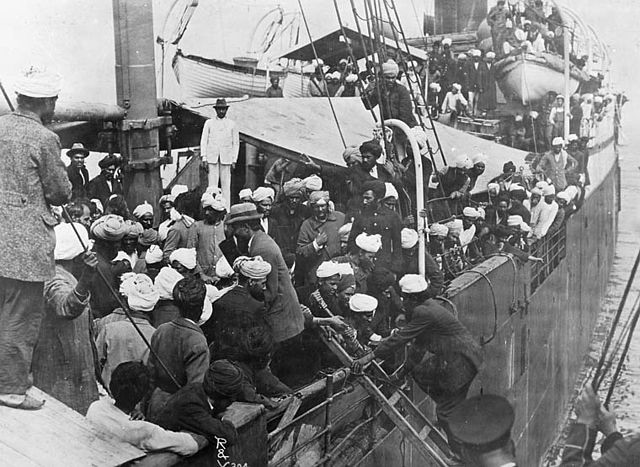
The Komagata Maru incident was not just about a ship being denied entry—it was a brutal revelation of racist immigration policies, colonial arrogance, and systemic exclusion. The courage shown by Bhai Gurdit Singh, his companions, and the 376 passengers created a lasting legacy of resistance and dignity for the Sikh community and the broader South Asian diaspora.
This is not just a story of the past, but a living lesson for the present. It reminds us that while the struggle for justice may take decades, ultimately, truth, resilience, and rights prevail.
Komagata Maru echoes in our history—it lives through plays, songs, memorials, and lessons taught in schools. It urges us to understand that history should not only be remembered—it must be learned from.
 EtherealPanjab