

ਨਾਭਾ ਰਿਆਸਤ – ਇੱਕ ਇਤਿਹਾਸਕ ਝਲਕ
Nabha Riyasat – A Glimpse into History
ਨਾਭਾ ਰਿਆਸਤ ਪੰਜਾਬ ਦੀਆਂ ਸਭ ਤੋਂ ਪੁਰਾਣੀਆਂ ਅਤੇ ਇਤਿਹਾਸਕ ਰਿਆਸਤਾਂ ਵਿੱਚੋਂ ਇੱਕ ਸੀ, ਜਿਸਦਾ ਨਿਰਮਾਣ ਫੁਲਕੀਆਂ ਘਰਾਣੇ ਦੇ ਤਿਲੋਕਾ ਦੇ ਉੱਤਰਾਧਿਕਾਰੀ ਹਮੀਰਾ ਸਿੰਘ ਵੱਲੋਂ 1763 ਈਸਵੀ ਵਿੱਚ ਕੀਤਾ ਗਿਆ। ਇਹ ਰਿਆਸਤ, ਪਟਿਆਲਾ ਅਤੇ ਜੀਂਦ ਰਿਆਸਤਾਂ ਨਾਲ ਮਿਲ ਕੇ ਤਿੰਨ ਪ੍ਰਮੁੱਖ ਫੁਲਕੀਆਂ ਰਾਜਾਂ ਵਿੱਚੋਂ ਇੱਕ ਸੀ। ਨਾਭਾ ਰਿਆਸਤ ਦਾ ਉਤਪੱਤੀ ਸੰਬੰਧ ਫੁਲਕੀਆਂ ਵੰਸ਼ ਦੇ ਆਦਿ ਪੁਰਖਾ ਰਾਜਾ ਫੂਲ ਨਾਲ ਜੁੜਿਆ ਹੋਇਆ ਸੀ, ਜਿਸ ਦੀ ਸੰਤਾਨ ਨੇ ਪੰਜਾਬ ਵਿਚ ਸਿੱਖ ਰਾਜਨੀਤੀ ਅਤੇ ਸੱਭਿਆਚਾਰਕ ਜੀਵਨ ਵਿਚ ਡੂੰਘੇ ਨਿਸ਼ਾਨ ਛੱਡੇ।
Nabha Riyasat was one of the oldest and most historically significant princely states of Punjab, founded in 1763 CE by Hamira Singh, a descendant of Chaudhary Tiloka of the Phulkian lineage. Along with Patiala and Jind, it was one of the three major Phulkian states. The origins of the dynasty trace back to Chaudhary Phul, whose descendants played a crucial role in shaping Sikh politics and the cultural landscape of Punjab.
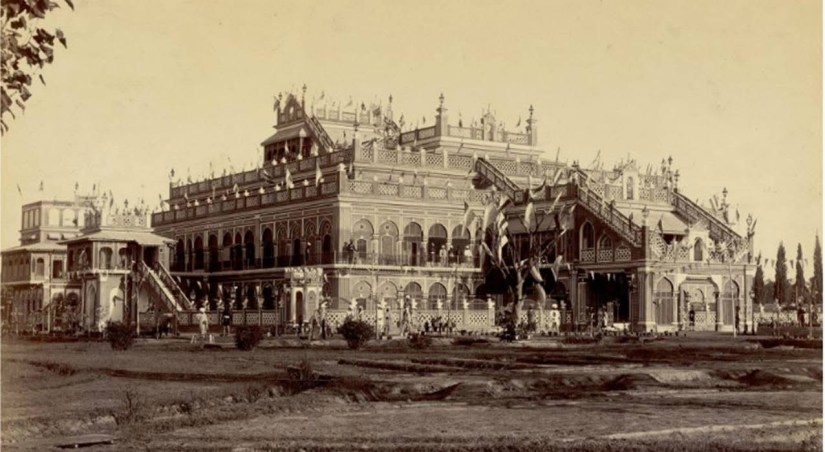
ਰਾਜਨੀਤਿਕ ਉਥਾਨ ਅਤੇ ਸ਼ੁਰੂਆਤੀ ਸ਼ਾਸਕ
Political Rise and Early Rulers
ਹਮੀਰਾ ਸਿੰਘ, ਜਿਸਨੇ ਨਾਭਾ ਸ਼ਹਿਰ ਦੀ ਨੀਂਹ ਰੱਖੀ, ਬਹੁਤ ਹੀ ਨਿਡਰ, ਬੁੱਧੀਮਾਨ ਅਤੇ ਜੰਗੀ ਹੁਨਰਾਂ ਵਾਲਾ ਸਰਦਾਰ ਸੀ। ਉਸ ਨੇ ਆਪਣੀ ਰਾਜਨੀਤਿਕ ਚਤੁਰਾਈ ਨਾਲ ਨਾਭਾ ਨੂੰ ਇੱਕ ਸੁਤੰਤਰ ਰਾਜ ਵਜੋਂ ਸਥਾਪਤ ਕੀਤਾ। ਉਸ ਤੋਂ ਬਾਅਦ ਨਾਭਾ ਦੇ ਰਾਜਾ ਜਸਵੰਤ ਸਿੰਘ, ਅਤੇ ਫਿਰ ਰਾਜਾ ਦਵਿੰਦਰ ਸਿੰਘ ਆਏ, ਜਿਨ੍ਹਾਂ ਨੇ ਰਾਜ ਦੀ ਹੱਦਾਂ ਨੂੰ ਫੈਲਾਇਆ ਅਤੇ ਪ੍ਰਸ਼ਾਸਨਕ ਢਾਂਚਾ ਮਜ਼ਬੂਤ ਕੀਤਾ। ਇਨ੍ਹਾਂ ਸ਼ਾਸਕਾਂ ਦੀ ਲੀਡਰਸ਼ਿਪ ਤਹਿਤ, ਨਾਭਾ ਇੱਕ ਸੰਘਰਸ਼ੀਲ ਪਰੰਤੂ ਸੰਸਕਾਰਤ ਰਾਜ ਵਜੋਂ ਉਭਰਿਆ।
Hamira Singh, the founder of Nabha, was a fearless and shrewd leader, skilled in both warfare and diplomacy. He laid the foundation for Nabha as an independent state. He was succeeded by Raja Jaswant Singh and later Raja Sakaria Singh, who expanded the territory and strengthened its administrative structure. Under these leaders, Nabha emerged as a resilient yet cultured state
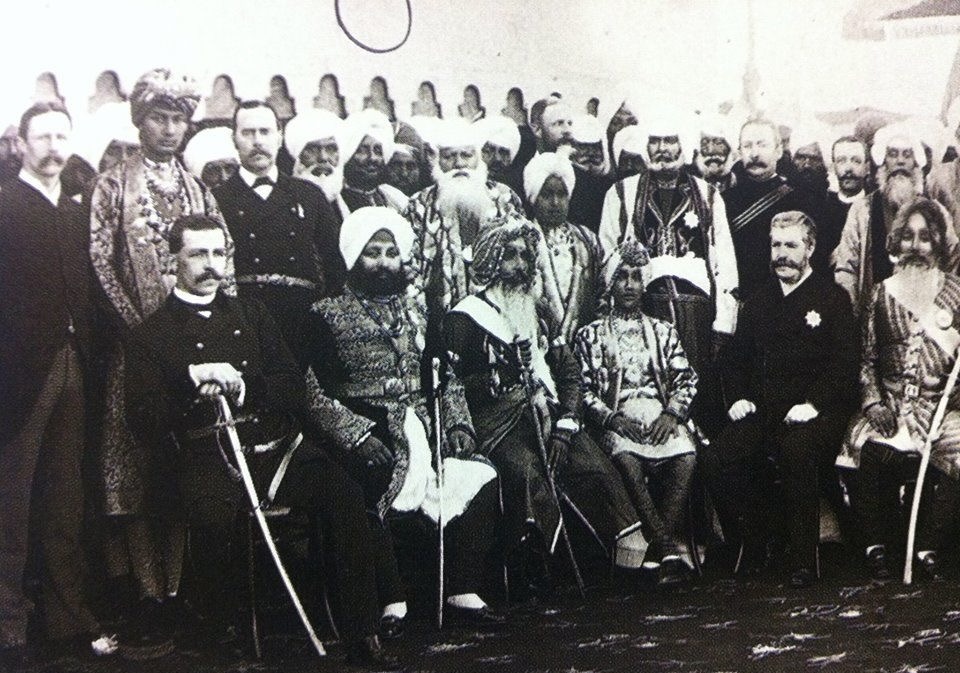
ਨਾਭਾ ਦਾ ਸੰਸਥਾਪਕ ਅਤੇ ਸ਼ੁਰੂਆਤੀ ਰਾਜ
The Founder and Early Rule of Nabha
ਇਸ ਰਿਆਸਤ ਦੀ ਸਥਾਪਨਾ ਚੌਧਰੀ ਤਿਲੋਕਾ ਜੀ ਦੇ ਪੋਤਰੇ ਹਮੀਰਾ ਸਿੰਘ ਵੱਲੋਂ ਕੀਤੀ ਗਈ ਸੀ। ਉਨ੍ਹਾਂ ਨੇ ਆਪਣੀ ਮਹਾਰਥੀ ਸਮਰਥਾ ਅਤੇ ਸਿਆਣਪ ਨਾਲ ਨਾਭਾ ਨੂੰ ਇੱਕ ਨਵੀਂ ਰਾਜਧਾਨੀ ਵਜੋਂ ਢਾਲਿਆ। ਹਮੀਰਾ ਸਿੰਘ ਨੇ 1763 ਈ. ਵਿਚ ਨਾਭਾ ਸ਼ਹਿਰ ਦੀ ਨੀਂਹ ਰੱਖੀ ਸੀ, ਜਿਸ ਤੋਂ ਬਾਅਦ ਇਹ ਰਿਆਸਤ ਵਧਦੀ ਗਈ। ਰਿਆਸਤ ਨੇ ਆਪਣੇ ਆਪ ਨੂੰ ਨਾ ਸਿਰਫ਼ ਰਾਜਨੀਤਕ ਮੈਦਾਨ ਵਿਚ ਸਾਬਤ ਕੀਤਾ, ਸਗੋਂ ਧਾਰਮਿਕ ਤੇ ਸੱਭਿਆਚਾਰਕ ਖੇਤਰਾਂ ਵਿਚ ਵੀ ਆਪਣੇ ਨਿਸ਼ਾਨ ਛੱਡੇ।
The state was established by Hamira Singh, a grandson of Chaudhary Tiloka. Through his martial skill and strategic mind, he developed Nabha as a new capital and power center. In 1763 CE, he laid the foundation of the town of Nabha, from where the state began to expand. Nabha not only established itself politically but also made its mark in the religious and cultural domains.
ਨਾਭਾ ਰਿਆਸਤ ਅਤੇ ਬ੍ਰਿਟਿਸ਼ ਰਾਜ ਨਾਲ ਸੰਬੰਧ
Nabha Riyasat and Its Relations with British Rule
1809 ਦੀ ਅਮ੍ਰਿਤਸਰ ਸੰਧੀ ਤੋਂ ਬਾਅਦ ਨਾਭਾ ਰਿਆਸਤ ਨੇ ਅੰਗਰੇਜ਼ੀ ਰਾਜ ਨਾਲ ਰਾਖੀ ਅਤੇ ਸਾਂਝਾ ਸਾਂਝ ਬਣਾਈ। ਇਹ ਸਾਂਝ ਨਾਭਾ ਨੂੰ ਰਿਆਸਤਕ ਰੱਖਿਆ, ਆਰਥਿਕ ਸਥਿਰਤਾ ਅਤੇ ਅੰਦਰੂਨੀ ਸੁਤੰਤਰਤਾ ਦੇਣ ਵਾਲੀ ਸਾਬਤ ਹੋਈ। ਨਾਭਾ ਨੇ ਬ੍ਰਿਟਿਸ਼ ਸਰਕਾਰ ਦੀਆਂ ਕਈ ਜੰਗਾਂ ਵਿੱਚ ਫੌਜੀ ਸਹਿਯੋਗ ਦਿੱਤਾ ਅਤੇ ਰਾਜਾ ਹੀਰਾ ਸਿੰਘ ਨੂੰ “Knight Grand Commander of the Order of the Star of India” ਵਰਗੀਆਂ ਉਪਾਧੀਆਂ ਮਿਲੀਆਂ। ਨਾਭਾ ਦਾ ਸੰਯੁਕਤ ਰਾਜਾਂ ਵਿੱਚ ਰੁਤਬਾ ਵਧਾ ਅਤੇ ਇਹ ਰਾਜਨੀਤਿਕ ਚਰਚਾ ਦਾ ਕੇਂਦਰ ਬਣ ਗਿਆ।
After the 1809 Treaty of Amritsar, Nabha entered into a protective alliance with the British. This relationship secured the state’s political existence, internal autonomy, and financial stability. Nabha contributed military support in British wars, and rulers like Raja Hira Singh were honored with titles such as “Knight Grand Commander of the Order of the Star of India.” This elevated Nabha’s status and brought it into broader political discourse.
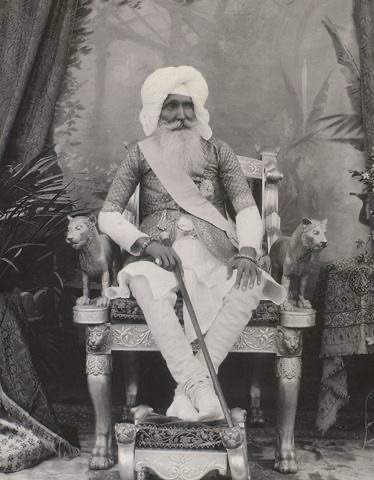
ਨਾਭਾ ਰਿਆਸਤ ਦੇ ਰਾਜੇ – ਇੱਕ ਇਤਿਹਾਸਕ ਵਿਰਾਸਤ ਦੀ ਲੜੀ
The Rulers of Nabha Riyasat – A Legacy in Lineage
੧. ਸਰਦਾਰ ਹਮੀਰਾ ਸਿੰਘ – ਨਾਭਾ ਰਿਆਸਤ ਦੇ ਸੰਸਥਾਪਕ
Sardar Hamira Singh – The Founder of Nabha Riyasat
ਸਰਦਾਰ ਹਮੀਰਾ ਸਿੰਘ ਨਾਭਾ ਰਿਆਸਤ ਦੇ ਸੰਸਥਾਪਕ ਸਨ, ਜਿਨ੍ਹਾਂ ਨੇ 1763 ਈ. ਵਿਚ ਇਸ ਰਾਜ ਦੀ ਨੀਂਹ ਰੱਖੀ। ਉਹ ਚੌਧਰੀ ਤਿਲੋਕਾ ਸਿੰਘ ਦੇ ਪੋਤਰੇ ਸਨ, ਜੋ ਫੁਲਕੀਆਂ ਘਰਾਣੇ ਦੇ ਪ੍ਰਮੁੱਖ ਸਿੱਧੂ ਜੱਟ ਸਨ। ਹਮਿਰਾ ਸਿੰਘ ਦਾ ਜਨਮ 18ਵੀਂ ਸਦੀ ਦੀ ਸ਼ੁਰੂਆਤ ਵਿੱਚ ਹੋਇਆ ਅਤੇ ਉਹ ਸਿੱਖ ਮਿਸਲਾਂ ਦੇ ਯੁੱਗ ਵਿੱਚ ਵੱਡੇ ਸਿਪਾਹੀ ਅਤੇ ਨਿਡਰ ਨੇਤਾ ਵਜੋਂ ਉਭਰੇ।
ਉਹ ਆਪਣੇ ਨਾਨਕੀ ਰਿਸ਼ਤੇ ਵਾਲੇ ਭਰਾ ਜੀਂਦ ਰਿਆਸਤ ਦੇ ਰਾਜਾ ਗਗਪਤ ਸਿੰਘ ਦੇ ਸਮਕਾਲੀ ਸਨ। ਹਮੀਰਾ ਸਿੰਘ ਨੇ ਫੁਲਕੀਆਂ ਘਰਾਨੇ ਦੀ ਰਾਜਨੀਤਿਕ ਵਿਰਾਸਤ ਨੂੰ ਅੱਗੇ ਵਧਾਉਂਦੇ ਹੋਏ, ਨਵੇਂ ਇਲਾਕਿਆਂ ਵਿੱਚ ਆਪਣੀ ਹਕੂਮਤ ਬਣਾਈ। ਜਦ ਉਹ ਲਹਿਰਾਗਗਾ ਦੇ ਨੇੜਲੇ ਖੇਤਰਾਂ ਵਿਚ ਫੌਜੀ ਮੁਹਿੰਮਾਂ ਕਰ ਰਹੇ ਸਨ, ਤਦ ਉਨ੍ਹਾਂ ਨੇ ਨਾਭਾ ਨੂੰ ਇੱਕ ਨਵੀਂ ਰਾਜਧਾਨੀ ਵਜੋਂ ਵਿਕਸਤ ਕੀਤਾ।
🔹 ਉਪਲਬਧੀਆਂ:
- 1763 ਵਿੱਚ ਨਾਭਾ ਸ਼ਹਿਰ ਦੀ ਸਥਾਪਨਾ।
- ਇਲਾਕੇ ਵਿੱਚ ਸ਼ਾਂਤੀ ਅਤੇ ਕਾਨੂੰਨ ਸਥਾਪਤ ਕੀਤਾ।
- ਕਈ ਕਿਲ੍ਹੇ ਅਤੇ ਰਾਖੀ ਢਾਂਚੇ ਬਣਾਏ ਜਿਨ੍ਹਾਂ ਨੇ ਰਾਜ ਦੀ ਹੱਦਾਂ ਦੀ ਰੱਖਿਆ ਕੀਤੀ।
- ਸਿੱਖ ਧਰਮ ਨਾਲ ਭਾਵਨਾਤਮਕ ਲਗਾਅ ਰੱਖਦੇ ਹੋਏ ਗੁਰੂਘਰਾਂ ਨੂੰ ਆਦਰ ਦਿੱਤਾ।
ਉਨ੍ਹਾਂ ਦੀ ਸਰਦਾਰੀ 1783 ਤੱਕ ਚੱਲੀ। ਉਨ੍ਹਾਂ ਦੇ ਬਾਅਦ ਉਨ੍ਹਾਂ ਦੇ ਪੁੱਤਰ ਜਸਵੰਤ ਸਿੰਘ ਨੇ ਰਾਜ ਸੰਭਾਲਿਆ। ਹਮੀਰਾ ਸਿੰਘ ਨੇ ਨਾ ਸਿਰਫ਼ ਨਾਭਾ ਦੀ ਸਥਾਪਨਾ ਕੀਤੀ, ਸਗੋਂ ਇੱਕ ਰਾਜਨੀਤਿਕ ਆਧਾਰ ਰੱਖਿਆ ਜੋ ਆਉਣ ਵਾਲੇ ਸਦੀਆਂ ਤੱਕ ਚੱਲਿਆ।
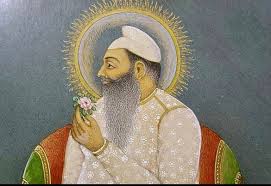
Sardar Hamira Singh was the founder of Nabha Riyasat, having laid the foundation of the state in 1763 CE. He was the grandson of Chaudhary Tiloka Singh, a prominent Sidhu Jatt from the Phulkian lineage. Hamira Singh was born in the early 18th century and rose to prominence during the Sikh Misl period as a fearless leader and skilled warrior.
He was a contemporary of Raja Gajja Singh of Jind, his relative from the same family line. While expanding the Phulkian influence in the region, Hamira Singh claimed new territories and established his own rule, eventually developing Nabha as the capital of his domain.
🔹 Key Contributions:
- Founded the town of Nabha in 1763.
- Established peace and order in surrounding regions.
- Built fortifications and military outposts to secure his territory.
- Maintained strong emotional and religious ties to Sikhism, supporting local Gurdwaras.
His leadership continued until his death in 1783, after which his son Jaswant Singh succeeded him. Hamira Singh’s legacy lies in not just creating Nabha as a state, but in establishing a political structure that would thrive for centuries.
🌿 ਨਾਭਾ ਦੇ ਨਿਰਮਾਤਾ ਨੂੰ ਨਮਨ
Tribute to the Founder of Nabha – Sardar Hamira Singh
ਜਦ ਪੰਜਾਬ ਧੂੜ-ਧੱਕੜ, ਲੁੱਟ ਅਤੇ ਹਕੂਮਤਾਂ ਦੇ ਸੰਘਰਸ਼ ਨਾਲ ਘਿਰਿਆ ਹੋਇਆ ਸੀ, ਤਦ ਸਰਦਾਰ ਹਮੀਰਾ ਸਿੰਘ ਨੇ ਨਾਭਾ ਦੀ ਨੀਂਹ ਰੱਖੀ — ਨਾ ਸਿਰਫ ਇੱਕ ਨਵੇਂ ਰਾਜ ਦੀ, ਸਗੋਂ ਨਵੀਂ ਸੋਚ ਦੀ।
ਉਹ ਸਿੱਧੂ ਜੱਟਾਂ ਦੇ ਫੁਲਕੀਆਂ ਘਰਾਣੇ ਤੋਂ ਸਨ, ਪਰ ਉਨ੍ਹਾਂ ਦੀ ਦ੍ਰਿਸ਼ਟੀ ਸਿਰਫ਼ ਆਪਣੀ ਰਿਆਸਤ ਤੱਕ ਸੀਮਿਤ ਨਹੀਂ ਸੀ। ਉਨ੍ਹਾਂ ਨੇ ਸ਼ਾਂਤੀ, ਸੁਰੱਖਿਆ ਅਤੇ ਸਿੱਖੀ ਦੇ ਆਦਰਸ਼ਾਂ ਨੂੰ ਇਕ ਨਵੇਂ ਰਾਜਕਾਜ ਵਿਚ ਰੂਪ ਦਿੱਤਾ।
1763 ਵਿੱਚ, ਜਦੋਂ ਉਨ੍ਹਾਂ ਨੇ ਨਾਭਾ ਸ਼ਹਿਰ ਦੀ ਸਥਾਪਨਾ ਕੀਤੀ, ਉਹ ਸਿਰਫ ਇਕ ਥਾਂ ਨਹੀਂ ਸੀ — ਉਹ ਇੱਕ ਸਵੈਭਿਮਾਨ ਦੀ ਸ਼ੁਰੂਆਤ ਸੀ। ਉਨ੍ਹਾਂ ਦੀ ਰਾਹੀਂ ਨਾਭਾ ਨੇ ਆਪਣੀ ਪਛਾਣ ਬਣਾਈ, ਜੋ ਅੱਜ ਵੀ ਹਰ ਪੰਜਾਬੀ ਦਿਲ ਵਿੱਚ ਧੜਕਦੀ ਹੈ।
ਸਰਦਾਰ ਹਮੀਰਾ ਸਿੰਘ — ਇੱਕ ਨਿਰਮਾਤਾ, ਇੱਕ ਰਾਖੀ, ਇੱਕ ਸੰਸਕਾਰ।
At a time when Punjab was torn by invasions, rebellions, and the collapse of old empires, Sardar Hamira Singh laid the foundation of Nabha — not just of a state, but of a new spirit.
A proud descendant of the Phulkian Sidhu Jatts, Hamira Singh envisioned a realm rooted in stability, strength, and Sikh principles. His idea of leadership was not confined to dominion — it was about safeguarding culture, justice, and dharma.
When he founded the town of Nabha in 1763, he wasn’t just claiming territory — he was planting the seeds of self-respect and sovereign identity. Through his courage and clarity, Nabha became a name that still echoes in the hearts of all who honor Punjab’s legacy.
Sardar Hamira Singh — a founder, a protector, a visionary.
੨. ਰਾਜਾ ਜਸਵੰਤ ਸਿੰਘ – ਸਥਾਪਨਾ ਤੋਂ ਸਥਿਰਤਾ ਵੱਲ
Raja Jaswant Singh – From Foundation to Stability
ਰਾਜਾ ਜਸਵੰਤ ਸਿੰਘ ਨਾਭਾ ਰਿਆਸਤ ਦੇ ਦੂਜੇ ਰਾਜੇ ਸਨ। ਉਨ੍ਹਾਂ ਨੇ ਆਪਣੇ ਪਿਤਾ ਸਰਦਾਰ ਹਮੀਰਾ ਸਿੰਘ ਦੀ ਮੌਤ ਤੋਂ ਬਾਅਦ 1783 ਈ. ਵਿੱਚ ਤਖ਼ਤ ਸੰਭਾਲਿਆ। ਜਦ ਉਨ੍ਹਾਂ ਨੇ ਰਾਜਗੱਦੀ ਸੰਭਾਲੀ, ਨਾਭਾ ਹਾਲ ਹੀ ਵਿੱਚ ਸਥਾਪਿਤ ਰਿਆਸਤ ਸੀ ਅਤੇ ਬਹੁਤ ਸਾਰੀਆਂ ਚੁਣੌਤੀਆਂ ਦਾ ਸਾਹਮਣਾ ਕਰ ਰਹੀ ਸੀ — ਜਿਵੇਂ ਰਾਜਨੀਤਿਕ ਅਸਥਿਰਤਾ, ਅੰਦਰੂਨੀ ਵਿਵਾਦ, ਅਤੇ ਬਾਹਰੀ ਖ਼ਤਰੇ।
ਜਸਵੰਤ ਸਿੰਘ ਨੇ ਨਾਭਾ ਦੀ ਅੰਦਰੂਨੀ ਸੁਰੱਖਿਆ ਅਤੇ ਵਿਧੀ-ਵਿਵਸਥਾ ਨੂੰ ਮਜ਼ਬੂਤ ਕਰਨ ਉੱਤੇ ਧਿਆਨ ਦਿੱਤਾ। ਉਨ੍ਹਾਂ ਨੇ ਕਈ ਨਵੇਂ ਕਿਲੇ, ਚੌਕੀਆਂ, ਅਤੇ ਲੋਥੜੀਆਂ ਥਾਣੇ ਸਥਾਪਤ ਕੀਤੇ, ਤਾਂ ਜੋ ਰਾਜ ਵਿੱਚ ਕਾਨੂੰਨ ਦਾ ਰਾਜ ਬਣੇ। ਇਨ੍ਹਾਂ ਢਾਂਚਿਆਂ ਨੇ ਨਾਭਾ ਨੂੰ ਇੱਕ ਵਧ ਰਹੀ ਰਾਜਨੀਤਿਕ ਤਾਕਤ ਵਜੋਂ ਪੱਕਾ ਕੀਤਾ।
ਉਨ੍ਹਾਂ ਨੇ ਨਾਭਾ ਵਿੱਚ ਪਹਿਲੀਆਂ ਪ੍ਰਸ਼ਾਸਕੀ ਪ੍ਰਥਾਵਾਂ ਦੀ ਸ਼ੁਰੂਆਤ ਕੀਤੀ — ਜਿਵੇਂ ਕਿ ਰਾਜ ਦਰਬਾਰ, ਮਾਲਖਾਨਾ, ਅਤੇ ਰਿਕਾਰਡ ਰੱਖਣ ਵਾਲੀ ਵਿਭਾਗੀ ਵਿਧੀ। ਇਨ੍ਹਾਂ ਕਦਮਾਂ ਨੇ ਨਾਭਾ ਰਾਜ ਨੂੰ ਬਾਕੀ ਫੁਲਕੀਆਂ ਰਿਆਸਤਾਂ ਦੇ ਬਰਾਬਰ ਲਿਆ ਕੇ ਖੜਾ ਕੀਤਾ।
🔹 ਉਨ੍ਹਾਂ ਦੀ ਵਿਰਾਸਤ:
- ਨਾਭਾ ਵਿੱਚ ਪ੍ਰਸ਼ਾਸਕੀ ਢਾਂਚਾ ਵਿਖੇ ਨਵੀਂ ਸੋਚ ਦੀ ਸ਼ੁਰੂਆਤ।
- ਲੋਕਾਂ ਦੇ ਹੱਕਾਂ ਦੀ ਰੱਖਿਆ ਕਰਨ ਵਾਲਾ ਸ਼ਾਸਨ।
- ਅੰਦਰੂਨੀ ਸ਼ਾਂਤੀ ਲਈ ਸੰਘਰਸ਼ ਅਤੇ ਨਵਾਂ ਆਰਮਡ ਨਿਯਮ।
- ਨਾਭਾ ਦੀ ਰਾਜਨੀਤਿਕ ਪਛਾਣ ਨੂੰ ਸਥਿਰਤਾ ਮਿਲੀ।
ਰਾਜਾ ਜਸਵੰਤ ਸਿੰਘ ਨੇ ਸਿਰਫ 5 ਸਾਲ ਰਾਜ ਕੀਤਾ (1783–1788), ਪਰ ਇਹ ਪੰਜ ਸਾਲ ਨਾਭਾ ਦੀ ਰਾਜਨੀਤਿਕ ਨੀਂਹ ਲਈ ਸਭ ਤੋਂ ਮਹੱਤਵਪੂਰਨ ਸਾਬਤ ਹੋਏ।

Raja Jaswant Singh was the second ruler of Nabha Riyasat, who succeeded his father, Sardar Hamira Singh, after his death in 1783 CE. At the time of his accession, Nabha was still a young and vulnerable state, facing challenges such as political instability, internal divisions, and external threats.
Jaswant Singh focused his energy on internal consolidation and law enforcement. He established new forts, outposts, and military posts to ensure law and order throughout the state. These defenses solidified Nabha’s standing as a rising principality.
He also introduced the first formal administrative practices in the state. Under his rule, Nabha saw the development of the royal court (Darbar), treasury systems, and official record-keeping departments — structures that helped elevate Nabha to the level of other Phulkian states like Patiala and Jind.
🔹 His Legacy:
- Introduced organized governance in a new state.
- Protected the rights of the people and ensured public order.
- Built defensive and judicial systems.
- Provided much-needed stability to Nabha’s young political identity.
Although he ruled for only five years (1783–1788), Raja Jaswant Singh’s brief reign laid the institutional foundationfor the future of Nabha Riyasat.
੩. ਰਾਜਾ ਦੇਵਿੰਦਰ ਸਿੰਘ (1840–1847) | Raja Devinder Singh
ਰਾਜਾ ਦੇਵਿੰਦਰ ਸਿੰਘ, ਨਾਭਾ ਰਿਆਸਤ ਦੇ ਤੀਜੇ ਸਰਕਾਰਦਾਰ ਸਨ। ਉਹ ਰਾਜਾ ਜਸਵੰਤ ਸਿੰਘ ਦੇ ਪੋਤੇ ਅਤੇ ਰਾਜਾ ਹਮੀਰ ਸਿੰਘ ਦੇ ਪੜਪੋਤੇ ਸਨ। 1840 ਵਿੱਚ ਆਪਣੇ ਦਾਦਾ ਦੀ ਮੌਤ ਤੋਂ ਬਾਅਦ ਉਹ ਨਾਭਾ ਰਿਆਸਤ ਦੇ ਰਾਜਗੱਦੀ ’ਤੇ ਬੈਠੇ।
ਉਹਨਾਂ ਦੀ ਹਕੂਮਤ ਕਾਫੀ ਛੋਟੀ ਰਹੀ—ਸਿਰਫ਼ 7 ਸਾਲ (1840–1847)। ਇਸ ਸਮੇਂ ਦੌਰਾਨ, ਨਾਭਾ ਰਿਆਸਤ ਬਰਤਾਨਵੀ ਅੰਗਰੇਜ਼ੀ ਸਰਕਾਰ ਦੀ ਰਾਜਨੀਤਿਕ ਹਕੂਮਤ ਦੇ ਹੇਠ ਆ ਗਈ ਸੀ। ਰਾਜਾ ਦੇਵਿੰਦਰ ਸਿੰਘ ਨੇ ਬਰਤਾਨਵੀ ਨੁਮਾਇੰਦਿਆਂ ਨਾਲ ਸੰਬੰਧ ਬਣਾਏ ਰੱਖਣ ਦੀ ਕੋਸ਼ਿਸ਼ ਕੀਤੀ, ਪਰ ਰਿਆਸਤ ਅੰਦਰ ਕਈ ਪ੍ਰਸ਼ਾਸਕੀ ਮਸਲਿਆਂ ਅਤੇ ਅੰਦਰੂਨੀ ਵਿਵਾਦਾਂ ਕਾਰਨ ਉਨ੍ਹਾਂ ਦੀ ਹਕੂਮਤ ਬਹੁਤ ਮਜ਼ਬੂਤ ਨਹੀਂ ਰਹੀ।
1847 ਵਿੱਚ ਰਾਜਾ ਦੇਵਿੰਦਰ ਸਿੰਘ ਨੇ ਰਾਜਗੱਦੀ ਛੱਡ ਦਿੱਤੀ ਜਾਂ ਉਨ੍ਹਾਂ ਨੂੰ ਹਟਾ ਦਿੱਤਾ ਗਿਆ। ਉਨ੍ਹਾਂ ਤੋਂ ਬਾਅਦ ਉਨ੍ਹਾਂ ਦੇ ਪੁੱਤਰ ਰਾਜਾ ਭਰਪੂਰ ਸਿੰਘ ਨੇ ਰਾਜਗੱਦੀ ਸੰਭਾਲੀ, ਜੋ ਬਾਅਦ ਵਿੱਚ ਨਾਭਾ ਰਿਆਸਤ ਨੂੰ ਇੱਕ ਢੰਗੀ ਪ੍ਰਸ਼ਾਸਕੀ ਢਾਂਚੇ ਵਿੱਚ ਲੈ ਕੇ ਆਏ।
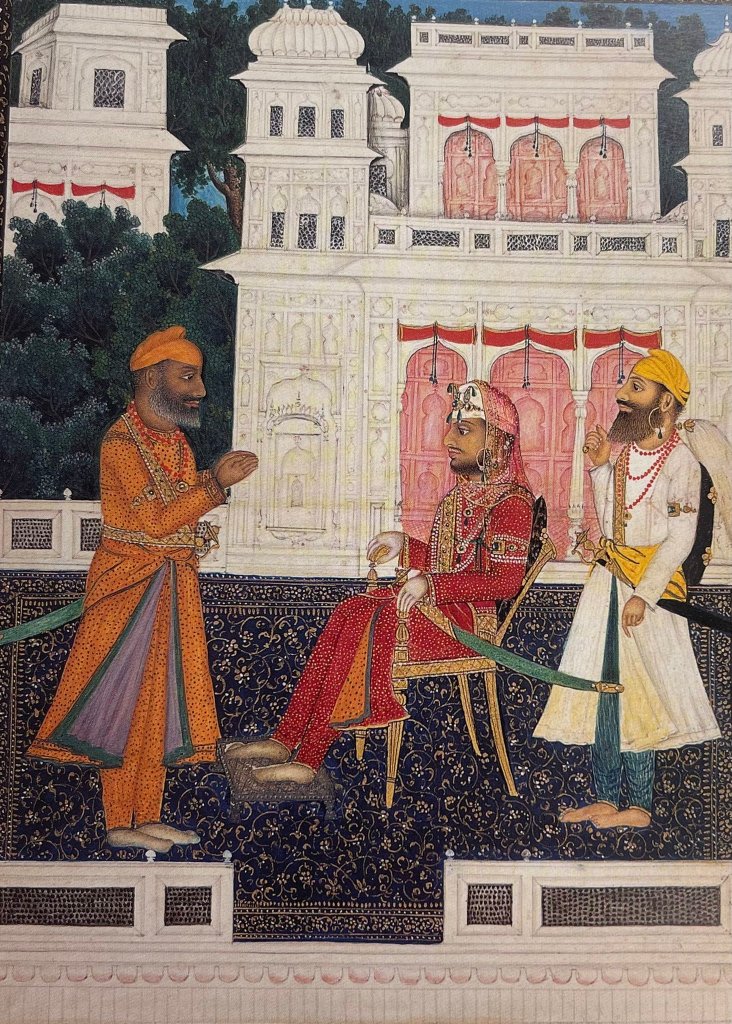
Raja Devinder Singh was the third ruler of Nabha Riyasat. He was the grandson of Raja Jaswant Singh and the great-grandson of the state’s founder, Raja Hamir Singh. He ascended to the throne in 1840, following the death of his grandfather.
His reign was relatively short—lasting only seven years (1840–1847). During this period, Nabha State increasingly came under the influence of the British East India Company. Raja Devinder Singh tried to maintain relations with the British representatives but struggled with internal administrative challenges and conflicts within the state, which weakened his rule.
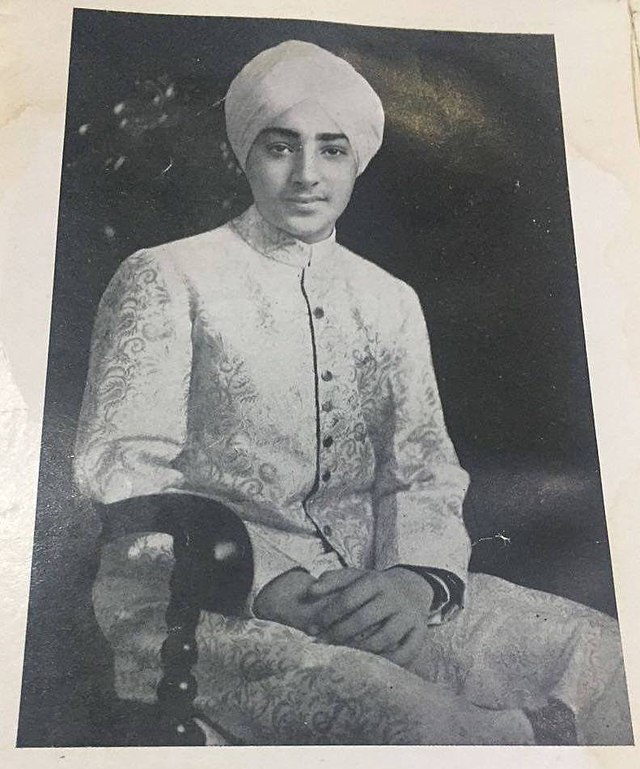
In 1847, Raja Devinder Singh either abdicated or was deposed. He was succeeded by his son, Raja Bharpur Singh, who later stabilized and developed the administration of Nabha State under British suzerainty.
੪. ਰਾਜਾ ਭਰਪੂਰ ਸਿੰਘ (1847–1863) | Raja Bharpur Singh
ਰਾਜਾ ਭਰਪੂਰ ਸਿੰਘ ਨੇ 1847 ਵਿੱਚ ਆਪਣੇ ਪਿਤਾ ਰਾਜਾ ਦੇਵਿੰਦਰ ਸਿੰਘ ਤੋਂ ਬਾਅਦ ਨਾਭਾ ਰਿਆਸਤ ਦੀ ਰਾਜਗੱਦੀ ਸੰਭਾਲੀ। ਉਹ ਇੱਕ ਸਮਰੱਥ, ਸੁਚੱਜੇ ਅਤੇ ਨਿਆਂਪਸੰਦ ਰਾਜਾ ਵਜੋਂ ਜਾਣੇ ਜਾਂਦੇ ਹਨ। ਉਹਨਾਂ ਦੀ ਰਾਜਗੱਦੀ ਦੇ ਦੌਰਾਨ ਨਾਭਾ ਨੇ ਕਈ ਮਾਈਨੇ ਰੱਖਣ ਵਾਲੇ ਪ੍ਰਸ਼ਾਸਕੀ, ਸਮਾਜਿਕ ਅਤੇ ਆਰਥਿਕ ਸੁਧਾਰ ਵੇਖੇ।
ਉਹ ਬਰਤਾਨਵੀ ਸਰਕਾਰ ਦੇ ਇਕ ਵਫ਼ਾਦਾਰ ਸਹਿਯੋਗੀ ਸਨ, ਜਿਸ ਕਾਰਨ ਨਾਭਾ ਰਿਆਸਤ ਨੂੰ ਬਹੁਤ ਸਾਰੇ ਲਾਭ ਮਿਲੇ। ਰਾਜਾ ਭਰਪੂਰ ਸਿੰਘ ਨੇ ਰਿਆਸਤ ਵਿੱਚ ਨਵਾਂ ਪ੍ਰਸ਼ਾਸਕੀ ਢਾਂਚਾ ਤਿਆਰ ਕੀਤਾ, ਕਰਪਸ਼ਨ ਖਿਲਾਫ਼ ਸਖ਼ਤ ਰਵੱਈਆ ਅਪਣਾਇਆ ਅਤੇ ਨਿਆਂ ਪ੍ਰਣਾਲੀ ਨੂੰ ਮਜ਼ਬੂਤ ਬਣਾਇਆ।
ਉਨ੍ਹਾਂ ਦੇ ਰਾਜ ਵਿੱਚ ਹਸਪਤਾਲ, ਸਕੂਲ, ਅਤੇ ਕੁਝ ਨਵੇਂ ਆਬਾਦੀਆਂ ਦੀ ਸਥਾਪਨਾ ਵੀ ਹੋਈ। ਉਹ ਸਿੱਖ ਧਰਮ ਦੇ ਪ੍ਰੇਮੀ ਸਨ ਅਤੇ ਅਕਾਲ ਤਖ਼ਤ ਅਤੇ ਸ੍ਰੀ ਹਰਿਮੰਦਰ ਸਾਹਿਬ ਨਾਲ ਭਾਵਨਾਤਮਕ ਜੁੜਾਅ ਰੱਖਦੇ ਸਨ।
1863 ਵਿੱਚ ਉਨ੍ਹਾਂ ਦੀ ਅਚਾਨਕ ਮੌਤ ਹੋ ਗਈ। ਉਨ੍ਹਾਂ ਦੀ ਮੌਤ ਦੇ ਸਮੇਂ ਉਹਨੂੰ ਕੋਈ ਪੁੱਤਰ ਨਹੀਂ ਸੀ, ਇਸ ਲਈ ਰਿਆਸਤ ਦੇ ਉੱਤਰਾਧਿਕਾਰੀ ਲਈ ਇੱਕ ਨਵਾਂ ਇੰਤਜ਼ਾਮ ਕੀਤਾ ਗਿਆ।
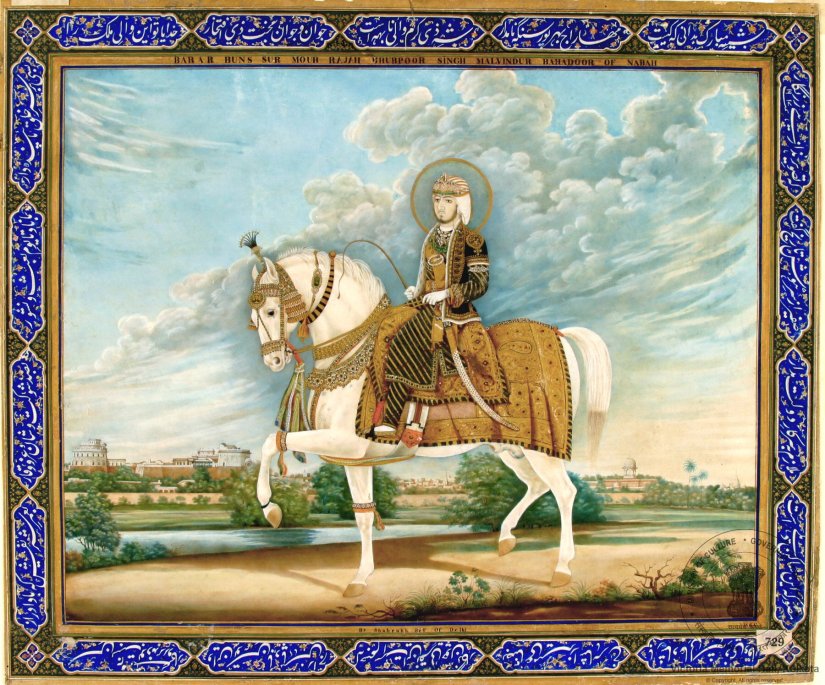
Raja Bharpur Singh took over the throne of Nabha Riyasat in 1847, after the abdication or removal of his father, Raja Devinder Singh. He is remembered as a capable, just, and reform-minded ruler. His reign marked a period of significant administrative, social, and economic improvements in Nabha.
He maintained a loyal alliance with the British colonial administration, which brought political and strategic benefits to Nabha State. Raja Bharpur Singh reorganized the administrative framework, enforced strict anti-corruption policies, and strengthened the judicial system.
During his rule, hospitals, schools, and new settlements were established. He was a devout Sikh and had strong emotional ties with Akal Takht Sahib and Sri Harmandir Sahib (Golden Temple).
He passed away suddenly in 1863. Since he had no sons at the time of his death, a new heir had to be selected, which led to a shift in the succession process.
੫. ਰਾਜਾ ਭਗਵਾਨ ਸਿੰਘ – ਇੱਕ ਸੰਤੁਲਿਤ ਤੇ ਮੱਤਵਾਨ ਸ਼ਾਸਕ
Raja Bhagwan Singh – A Balanced and Thoughtful Ruler
ਰਾਜਾ ਭਗਵਾਨ ਸਿੰਘ ਨੇ 1847 ਈਸਵੀ ਵਿੱਚ ਰਾਜਾ ਭਰਪੂਰ ਸਿੰਘ ਦੇ ਦੇਹਾਂਤ ਤੋਂ ਬਾਅਦ ਨਾਭਾ ਰਿਆਸਤ ਦੀ ਰਾਜਗੱਦੀ ਸੰਭਾਲੀ। ਉਨ੍ਹਾਂ ਦਾ ਰਾਜਕਾਲ 1847 ਤੋਂ 1871 ਤੱਕ ਚੱਲਿਆ, ਜੋ ਕਿ ਨਾਭਾ ਰਿਆਸਤ ਦੇ ਆਧੁਨਿਕਤਾ ਵੱਲ ਵਧਦੇ ਕਦਮਾਂ ਅਤੇ ਬ੍ਰਿਟਿਸ਼ ਰਾਜ ਨਾਲ ਘਣੇ ਰਾਜਨੀਤਿਕ ਸੰਬੰਧਾਂ ਦੇ ਨਵੇਂ ਯੁੱਗ ਦੀ ਸ਼ੁਰੂਆਤ ਸੀ।
ਰਾਜਾ ਭਗਵਾਨ ਸਿੰਘ ਦੇ ਰਾਜਕਾਲ ਦੌਰਾਨ ਨਾਭਾ ਰਿਆਸਤ ਨੇ ਬਹੁਤ ਸੀਮਤ ਫੌਜੀ ਮੋਢਿਆਂ ‘ਤੇ ਹਿੱਸਾ ਲਿਆ, ਪਰ ਉਨ੍ਹਾਂ ਨੇ ਅੰਗਰੇਜ਼ੀ ਰਾਜ ਨਾਲ ਵਫ਼ਾਦਾਰੀ ਤੇ ਚਤੁਰਾਈ ਨਾਲ ਰਿਸ਼ਤੇ ਨਿਭਾਏ। ਇਹੀ ਰਵੱਈਆ ਨਾਭਾ ਲਈ ਸਿਆਸੀ ਤੌਰ ਤੇ ਲਾਭਕਾਰੀ ਸਾਬਤ ਹੋਇਆ, ਜਿਸ ਕਾਰਨ ਨਾਭਾ ਨੂੰ ਅੰਗਰੇਜ਼ਾਂ ਦੀ ਨਜ਼ਰ ਵਿਚ ਇੱਕ ਭਰੋਸੇਯੋਗ ਰਾਜ ਮੰਨਿਆ ਗਿਆ।
ਰਾਜਾ ਭਗਵਾਨ ਸਿੰਘ ਨੇ ਨਾਭਾ ਵਿੱਚ ਧਾਰਮਿਕ ਆਜ਼ਾਦੀ, ਕਾਨੂੰਨੀ ਸੁਧਾਰ, ਅਤੇ ਸਮਾਜਿਕ ਸ਼ਾਂਤੀ ਲਈ ਨੀਵਾਂ ਪੱਥਰ ਰੱਖਿਆ। ਉਨ੍ਹਾਂ ਨੇ ਸਿੱਖ ਸੰਸਕਾਰਾਂ ਦੀ ਰਾਖੀ ਕੀਤੀ ਅਤੇ ਅਗਲੀ ਪੀੜ੍ਹੀ — ਹੀਰਾ ਸਿੰਘ — ਲਈ ਇੱਕ ਮਜ਼ਬੂਤ ਨੈਤਿਕ ਅਤੇ ਰਾਜਨੀਤਿਕ ਆਧਾਰ ਛੱਡਿਆ।
ਰਾਜਾ ਭਗਵਾਨ ਸਿੰਘ ਕਿਵੇਂ ਰਾਜਾ ਬਣੇ:
ਜਦੋਂ ਰਾਜਾ ਭਰਪੂਰ ਸਿੰਘ ਬਿਨਾ ਪੁੱਤਰੇ ਦੇ ਮਰ ਗਏ, ਤਾਂ ਬ੍ਰਿਟਿਸ਼ ਨੇ ਭਗਵਾਨ ਸਿੰਘ, ਜੋ ਕਿ ਫੁਲਕੀਅਨ ਪਰਿਵਾਰ ਦਾ ਹੀ ਮੈਂਬਰ ਸੀ, ਨੂੰ 1863 ਵਿੱਚ ਨਭਾ ਦਾ ਮਹਾਰਾਜਾ ਚੁਣਿਆ। ਭਗਵਾਨ ਸਿੰਘ ਸਰਦਾਰ ਖ਼ਰਕ ਸਿੰਘ ਦੇ ਪੁੱਤਰ ਸਨ, ਜੋ ਕਿ ਤਲੋਕਾ ਸਿੰਘ ਦੇ ਪੁੱਤਰ ਸਨ, ਜੋ ਫੁਲ (ਫੁਲਕੀਅਨ ਗੋਤ ਦਾ ਪੰਥ ਪ੍ਰਤਿਸ਼ਠਾ ਕਰਨ ਵਾਲੇ) ਦੇ ਵੱਡੇ ਪੁੱਤਰ ਸਨ। ਇਸ ਤਰ੍ਹਾਂ, ਬ੍ਰਿਟਿਸ਼ ਨੇ ਫੁਲਕੀਅਨ ਖ਼ਾਨਦਾਨ ਵਿੱਚ ਵਾਰਸੀ ਕਾਇਮ ਰੱਖਦੇ ਹੋਏ ਭਗਵਾਨ ਸਿੰਘ ਦੀ ਚੋਣ ਕੀਤੀ, ਜਿਸ ਨਾਲ ਸਿਆਸੀ ਤੌਰ ਤੇ ਵੀ ਬ੍ਰਿਟਿਸ਼ ਹਕੂਮਤ ਨੂੰ ਲਾਭ ਮਿਲਿਆ।
🔹 ਉਨ੍ਹਾਂ ਦੀ ਵਿਰਾਸਤ:
- ਨਾਭਾ ਨੂੰ ਬ੍ਰਿਟਿਸ਼ ਰਾਜ ਦੇ ਨਾਲ ਸੁਚੱਜੇ ਰਿਸ਼ਤੇ ਵਿੱਚ ਰੱਖਣਾ।
- ਨਵੀਨ ਪ੍ਰਬੰਧਕ ਰੀਤੀਆਂ ਦਾ ਆਰੰਭ।
- ਧਾਰਮਿਕ, ਆਰਥਿਕ ਤੇ ਨਿਆਂਕ ਪ੍ਰਣਾਲੀਆਂ ਵਿੱਚ ਸੰਤੁਲਨ ਬਣਾਈ ਰੱਖਣਾ।
- ਅਗਲੇ ਮਹਾਨ ਰਾਜੇ ਹੀਰਾ ਸਿੰਘ ਦੀ ਚੜ੍ਹਦੀ ਕਲਾ ਲਈ ਮਜਬੂਤ ਬੁਨਿਆਦ ਪਾਈ।
ਰਾਜਾ ਭਗਵਾਨ ਸਿੰਘ ਦੇ ਰਾਜ ਦੇ ਅੰਤ ‘ਤੇ, ਨਾਭਾ ਰਿਆਸਤ ਇੱਕ ਸੁਥਰੀ, ਆਤਮ-ਭਰੋਸੇ ਵਾਲੀ ਅਤੇ ਆਧੁਨਿਕਤਾ ਵੱਲ ਪੈਰ ਧਰ ਰਹੀ ਰਿਆਸਤ ਬਣ ਚੁੱਕੀ ਸੀ।
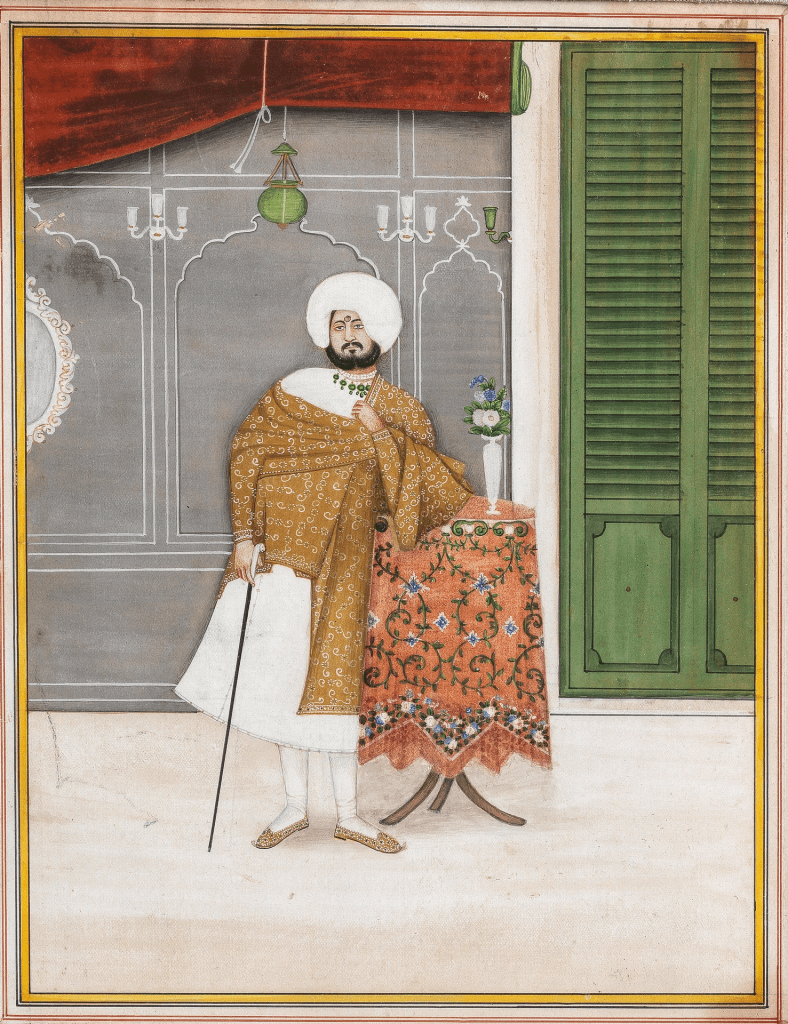
Raja Bhagwan Singh took over the throne of Nabha in 1847 CE, following the death of Raja Ugr Singh, and ruled until 1871. His reign marked a transition period in Nabha’s history — a time of growing modernization and maturing diplomatic relations with the British Raj.
During his tenure, Nabha remained largely away from military confrontations but maintained a clever and loyal relationship with the British. This earned Nabha the status of a trusted princely state, valued for its political stability and predictability.
Raja Bhagwan Singh promoted religious freedom, legal reforms, and social peace within the state. He safeguarded Sikh traditions and laid a strong moral and administrative foundation for his successor — his son, Hira Singh, who would go on to become one of the most admired rulers of Nabha.
How Raja Bhagwan Singh became the ruler:
After Raja Bharpur Singh died childless, the British selected Bhagwan Singh, a member of the extended Phulkian family, as the next Maharaja of Nabha in 1863. Bhagwan Singh was the son of Sardar Kharak Singh, a descendant of Tiloka Singh, who was the elder son of Phul (the founder of the Phulkian dynasty). This selection maintained the lineage within the Phulkian bloodline while also satisfying British expectations of loyalty and political alignment.
🔹 His Legacy:
- Maintained a steady and loyal alliance with British rule.
- Gently introduced new systems of governance.
- Balanced religious, economic, and legal development.
- Paved the way for his son, Maharaja Hira Singh’s golden reign.
By the end of his rule, Nabha had evolved into a well-governed, self-assured state moving confidently toward modernity.
੬. ਮਹਾਰਾਜਾ ਹੀਰਾ ਸਿੰਘ (ਰਾਜ: 1871–1911)
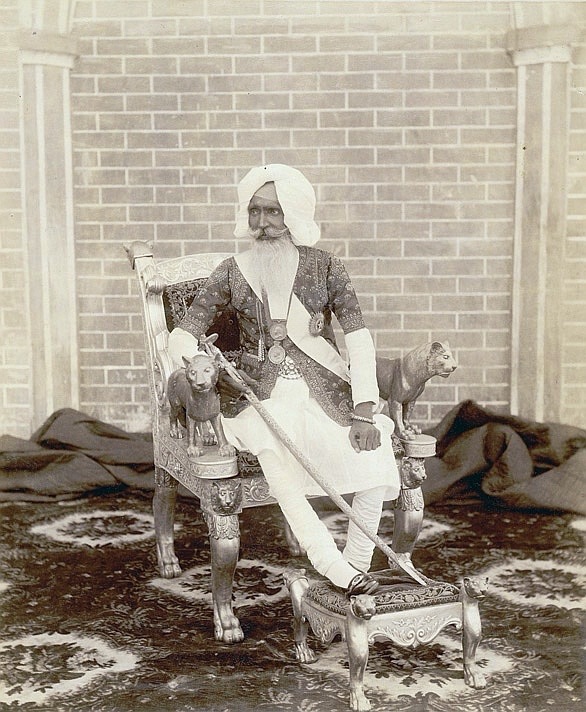
ਹੀਰਾ ਸਿੰਘ ਨਾਭਾ ਦੇ ਸਭ ਤੋਂ ਚਰਚਿਤ ਰਾਜੇ ਸਨ। ਉਨ੍ਹਾਂ ਨੇ ਨਾਭਾ ਨੂੰ ਆਧੁਨਿਕ ਤਾਲੀਮ, ਗੁਰਦੁਆਰਾ ਸੇਵਾ, ਹਸਪਤਾਲ, ਸਿੱਖ ਇਤਿਹਾਸ ਅਤੇ ਸੰਸਕ੍ਰਿਤਿਕ ਉਤਸ਼ਾਹ ਦਾ ਕੇਂਦਰ ਬਣਾਇਆ। ਉਨ੍ਹਾਂ ਨੂੰ Knight Grand Commander of the Star of India ਦਾ ਖਿਤਾਬ ਮਿਲਿਆ।
Maharaja Hira Singh was Nabha’s most illustrious ruler. He transformed the state into a center of education, healthcare, Gurdwara reform, Sikh scholarship, and cultural progress. He was knighted as a Knight Grand Commander of the Star of India.
ਮਹਾਰਾਜਾ ਹੀਰਾ ਸਿੰਘ – ਨਾਭਾ ਦੀ ਰੌਸ਼ਨੀ
Maharaja Hira Singh – The Guiding Light of Nabha
ਮਹਾਰਾਜਾ ਹੀਰਾ ਸਿੰਘ ਜੀ (ਜਨਮ: 1843 ਈ., ਰਾਜ: 1871–1911 ਈ.) ਨਾਭਾ ਰਿਆਸਤ ਦੇ ਇਤਿਹਾਸ ਵਿੱਚ ਸਭ ਤੋਂ ਚਰਚਿਤ, ਵਿਦਵਾਨ ਅਤੇ ਧਰਮਪਰਾਇਣ ਸ਼ਾਸਕਾਂ ਵਿੱਚੋਂ ਇੱਕ ਸਨ। ਉਨ੍ਹਾਂ ਦਾ ਜਨਮ ਪਟਿਆਲਾ ਰਾਜ ਘਰਾਣੇ ਵਿੱਚ ਹੋਇਆ ਸੀ ਅਤੇ ਉਹ ਰਾਜਾ ਭਗਵਾਨ ਸਿੰਘ ਦੇ ਉੱਤਰਾਧਿਕਾਰੀ ਸਨ। 1871 ਵਿੱਚ ਨਾਭਾ ਰਾਜ ਦੀ ਗੱਦੀ ਸੰਭਾਲਣ ਤੋਂ ਬਾਅਦ, ਉਨ੍ਹਾਂ ਨੇ ਨਿਰਭਰਤਾ, ਧਾਰਮਿਕਤਾ ਅਤੇ ਆਧੁਨਿਕਤਾ ਨੂੰ ਜੋੜ ਕੇ ਰਾਜ ਕਰਨਾ ਸ਼ੁਰੂ ਕੀਤਾ।
Maharaja Hira Singh (born in 1843, reigned from 1871 to 1911) is remembered as one of the most enlightened, scholarly, and devout rulers in the history of Nabha Riyasat. Born into the Patiala royal family, he was the successor of Raja Bhagwan Singh. After assuming the throne in 1871, he ruled with a unique blend of independence, spirituality, and progressive governance.
ਰਾਜਨੀਤਿਕ ਵਿਜ਼ਨ ਅਤੇ ਬ੍ਰਿਟਿਸ਼ ਨਾਲ ਸੰਬੰਧ
Political Vision and Relations with the British
ਹੀਰਾ ਸਿੰਘ ਨੇ ਨਾਭਾ ਦੀ ਰਾਜਨੀਤਿਕ ਪੱਖ ਨੂੰ ਬਹੁਤ ਮਜ਼ਬੂਤ ਕੀਤਾ। ਉਨ੍ਹਾਂ ਨੇ ਅੰਗਰੇਜ਼ੀ ਰਾਜ ਨਾਲ ਵਿਵੇਕਪੂਰਕ ਰਿਸ਼ਤੇ ਬਣਾਏ — ਨਾਂ ਹੀ ਗੁਲਾਮੀ ਦੀ ਹੱਦ ਤੱਕ ਨਿਵਾਏ, ਨਾਂ ਹੀ ਥੋਸ ਟਕਰਾਅ। ਬ੍ਰਿਟਿਸ਼ ਨੇ ਉਨ੍ਹਾਂ ਦੀ ਬੁੱਧਿਮਤਾ ਨੂੰ ਮੰਨਤਾ ਦਿੱਤੀ ਅਤੇ ਉਨ੍ਹਾਂ ਨੂੰ “Knight Grand Commander of the Order of the Star of India” ਵਰਗਾ ਉੱਚ ਸਨਮਾਨ ਦਿੱਤਾ।
Hira Singh strengthened Nabha’s political standing by forging a balanced relationship with the British — one that maintained autonomy without unnecessary conflict. The British acknowledged his wisdom and honored him with the prestigious title “Knight Grand Commander of the Order of the Star of India.”
ਧਾਰਮਿਕਤਾ ਅਤੇ ਗੁਰਮਤਿ ਪ੍ਰਚਾਰ
Religious Leadership and Gurmat Advocacy
ਉਹ ਇਕ ਗਹਿਰੀ ਸਿੱਖ ਆਤਮਾ ਸਨ। ਗੁਰਬਾਣੀ ਨਾਲ ਉਨ੍ਹਾਂ ਦਾ ਸੰਬੰਧ ਰੂਹਾਨੀ ਸੀ। ਉਨ੍ਹਾਂ ਨੇ ਗੁਰਦੁਆਰਿਆਂ ਦੀ ਸੇਵਾ, ਪਾਠਸ਼ਾਲਾਵਾਂ, ਧਾਰਮਿਕ ਸੰਸਥਾਵਾਂ ਅਤੇ ਸਿੱਖ ਇਤਿਹਾਸ ਦੀ ਰਚਨਾ ਲਈ ਆਧਾਰ ਰੱਖਿਆ। ਉਨ੍ਹਾਂ ਦੇ ਰਾਜ ਵਿੱਚ ਗੁਰਮਤਿ ਸੰਸਕਾਰਾਂ ਨੂੰ ਆਮ ਜਨਤਾ ਤੱਕ ਪਹੁੰਚਾਉਣ ਲਈ ਵਿਸ਼ੇਸ਼ ਯਤਨ ਹੋਏ। ਸਿੱਖ ਧਰਮ ਦੀ ਸ਼ੁੱਧਤਾ ਅਤੇ ਪ੍ਰਚਾਰ ਵਿੱਚ ਹੀਰਾ ਸਿੰਘ ਦਾ ਯੋਗਦਾਨ ਅਣਮੁੱਲ ਹੈ।
Maharaja Hira Singh was deeply spiritual and emotionally connected to Gurbani. He founded and supported religious schools, Gurdwaras, and scholarly institutions that preserved and promoted Sikh heritage. His efforts helped make Gurmat principles more accessible to the people, and his role in sustaining the spiritual identity of Punjab was priceless.
ਸਿੱਖ ਇਤਿਹਾਸ ਤੇ ਸਾਹਿਤ ਦੀ ਸਹਾਇਤਾ
Support for Sikh History and Literature
ਮਹਾਰਾਜਾ ਹੀਰਾ ਸਿੰਘ ਇਤਿਹਾਸ ਰਚਨਾਵਾਂ ਅਤੇ ਸਿੱਖ ਸਾਹਿਤ ਦੇ ਵੱਡੇ ਪਸੰਦੀਦਾ ਰਹੇ। ਉਨ੍ਹਾਂ ਦੇ ਆਸਰੇ ’ਤੇ ਕਈ ਮਹਾਨ ਇਤਿਹਾਸਕਾਰਾਂ ਨੇ ਕੰਮ ਕੀਤਾ, ਜਿਸ ਵਿੱਚ ਭਾਈ ਕਾਹਨ ਸਿੰਘ ਨਾਭਾ, ਭਾਈ ਗਿਆਨ ਸਿੰਘ ਆਦਿ ਅਹੰਕਾਰਤਮਕ ਨਾਮ ਸ਼ਾਮਲ ਹਨ। ਭਾਈ ਕਾਹਨ ਸਿੰਘ ਦੀ ਮਹਾਨ ਰਚਨਾ “ਹਮ ਹਿੰਦੂ ਨਹੀਂ” ਹੀਰਾ ਸਿੰਘ ਦੀ ਰਿਆਸਤ ਵਿੱਚ ਹੀ ਲਿਖੀ ਗਈ ਸੀ।
Maharaja Hira Singh was a passionate patron of Sikh history and literature. Great historians and scholars like Bhai Kahn Singh Nabha and Bhai Gyan Singh flourished under his support. The iconic work “Ham Hindu Nahin” by Bhai Kahn Singh was written under the protection of Hira Singh’s court.
ਤਾਲੀਮ, ਹਸਪਤਾਲ ਅਤੇ ਜਨਕਲਿਆਣ
Education, Healthcare, and Public Welfare
ਉਨ੍ਹਾਂ ਦੇ ਰਾਜ ਵਿੱਚ ਤਾਲੀਮੀ ਸੰਸਥਾਵਾਂ ਦੀ ਬੇਮਿਸਾਲ ਵਿਕਾਸ ਹੋਇਆ। ਨਾਭਾ ਰਿਆਸਤ ਦੇ ਹਰੇਕ ਖੇਤਰ ਵਿੱਚ ਸਕੂਲਾਂ ਅਤੇ ਲਾਇਬ੍ਰੇਰੀਆਂ ਬਣਾਈ ਗਈਆਂ। ਵਿਦਿਆਰਥੀਆਂ ਨੂੰ ਫੀਸ ਮੁਆਫੀ, ਲਾਇਬ੍ਰੇਰੀ ਸਹੂਲਤ ਅਤੇ ਹੋਰ ਵਿਦਿਆ ਸੰਬੰਧੀ ਲਾਭ ਮਿਲਦੇ ਸਨ। ਹਸਪਤਾਲਾਂ ਅਤੇ ਨਸਲ-ਸੁਧਾਰ ਸੰਸਥਾਵਾਂ ਦੀ ਸਥਾਪਨਾ ਨੇ ਨਾਭਾ ਨੂੰ ਜਨਸੇਵਾ ਦਾ ਕੇਂਦਰ ਬਣਾਇਆ।
During his reign, educational institutions flourished across Nabha. Schools and libraries were established in every region, and students benefited from scholarships and free facilities. He also founded hospitals and public health centers, making Nabha a center for public welfare.
ਇਕ ਅਮਰ ਵਿਰਾਸਤ
An Immortal Legacy
ਮਹਾਰਾਜਾ ਹੀਰਾ ਸਿੰਘ ਦੇ ਰਾਜ ਦੀ ਚਾਨਣ ਅੱਜ ਵੀ ਨਾਭਾ ਦੇ ਹਰ ਇਤਿਹਾਸਕ ਕੰਧ, ਹਰ ਗੁਰਦੁਆਰੇ ਅਤੇ ਹਰੇਕ ਪੁਸਤਕ ਵਿੱਚ ਚਮਕਦੀ ਹੈ। ਉਹ ਸਿੱਖ ਰਾਜਨੀਤਿਕ ਆਗੂ, ਆਧੁਨਿਕ ਸੰਸਕ੍ਰਿਤਿਕ ਰੂਪਕਾਰ, ਅਤੇ ਰੂਹਾਨੀ ਮਾਰਗਦਰਸ਼ਕ ਸਨ। ਨਾਭਾ ਰਿਆਸਤ ਉਨ੍ਹਾਂ ਦੇ ਰਾਜ ’ਚ ਆਪਣੇ ਉੱਚੇ ਦਰਜੇ ਤੇ ਸੀ, ਅਤੇ ਉਨ੍ਹਾਂ ਦੇ ਬਾਅਦ ਆਏ ਸ਼ਾਸਕਾਂ ਨੂੰ ਵੀ ਉਹੀ ਲਹਿਰ ਮਿਲੀ।
The brilliance of Maharaja Hira Singh’s reign still shines through every historical building, Gurdwara, and preserved text in Nabha. He was a political visionary, a modern cultural architect, and a spiritual guide. Nabha Riyasat reached its peak during his rule, and the legacy he left continues to inspire generations.
ਨਾਭਾ ਦਾ ਵਿਸ਼ੇਸ਼ ਆਰਕੀਟੈਕਚਰ ਅਤੇ ਸੱਭਿਆਚਾਰਕ ਵਿਰਸਾ
Distinct Architecture and Cultural Heritage of Nabha
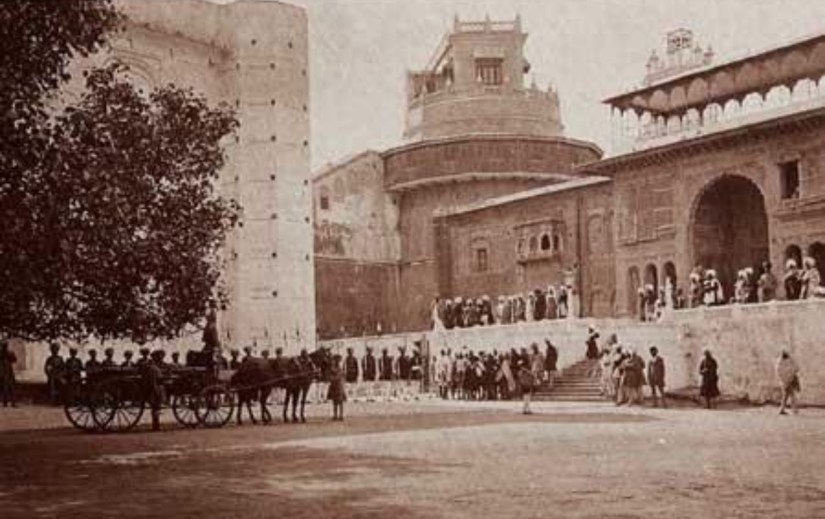
ਨਾਭਾ ਦੇ ਮਹਿਲ, ਹਵੇਲੀਆਂ ਅਤੇ ਧਾਰਮਿਕ ਇਮਾਰਤਾਂ ਵਿੱਚ ਰਿਆਸਤ ਦੀ ਸ਼ਾਨ ਦਰਸ਼ਤੀ ਸੀ। ਇੱਥੋਂ ਦੇ ਇਮਾਰਤੀ ਡਿਜ਼ਾਇਨ ਵਿੱਚ ਪੰਜਾਬੀ, ਮੁਗਲ ਅਤੇ ਯੂਰਪੀ ਸਟਾਈਲਾਂ ਦਾ ਸੁੰਦਰ ਮੇਲ ਸੀ। ਨਾਭਾ ਰਿਆਸਤ ਨੇ ਕਈ ਗੁਰਦੁਆਰਿਆਂ, ਕਿਲਿਆਂ ਅਤੇ ਪ੍ਰਸ਼ਾਸਕੀ ਇਮਾਰਤਾਂ ਦੀ ਨਿਰਮਾਣ ਰਾਹੀਂ ਆਪਣਾ ਵਿਰਸਾ ਅਮਰ ਕੀਤਾ।
The palaces, mansions, and religious buildings of Nabha reflect the grandeur of its era. The architectural style beautifully blends Punjabi, Mughal, and European influences. Through the construction of gurudwaras, forts, and administrative buildings, Nabha Riyasat left behind a lasting cultural legacy.

ਆਖਰੀ ਮਹਾਰਾਜਾ ਅਤੇ ਨਾਭਾ ਰਿਆਸਤ ਦਾ ਭਾਰਤ ਨਾਲ ਵਿਲੀਨ
The Last Maharaja and Accession of Nabha to India
ਮਹਾਰਾਜਾ ਪ੍ਰਤਾਪ ਸਿੰਘ ਨਾਭਾ ਰਿਆਸਤ ਦੇ ਆਖਰੀ ਸ਼ਾਸਕ ਸਨ। 1947 ਵਿੱਚ ਭਾਰਤ ਦੀ ਆਜ਼ਾਦੀ ਦੇ ਬਾਅਦ, ਨਾਭਾ ਵੀ ਹੋਰ ਰਿਆਸਤਾਂ ਵਾਂਗ ਅਖੰਡ ਭਾਰਤ ਵਿੱਚ ਸ਼ਾਮਲ ਹੋ ਗਿਆ। 20 ਜੁਲਾਈ 1948 ਨੂੰ ਨਾਭਾ ਨੇ ਪਟਿਆਲਾ ਅਤੇ ਈਸਟ ਪੰਜਾਬ ਯੂਨੀਅਨ ਦੀ ਸਥਾਪਨਾ ਵਿੱਚ ਭਾਗ ਲਿਆ, ਜਿਸਨੂੰ PEPSU (Patiala and East Punjab States Union) ਦੇ ਨਾਂ ਨਾਲ ਜਾਣਿਆ ਜਾਂਦਾ ਹੈ।
Maharaja Pratap Singh was the last ruler of Nabha Riyasat. After India gained independence in 1947, Nabha, like other princely states, was merged into the Indian Union. On 20th July 1948, Nabha became part of the newly formed Patiala and East Punjab States Union (PEPSU), marking the end of its status as an independent princely state.
ਨਾਭਾ ਰਿਆਸਤ ਦੇ ਵਿਸ਼ੇਸ਼ ਨਿਸ਼ਾਨ – ਝੰਡਾ, ਮੋਹਰਾਂ ਅਤੇ ਰਾਜ ਚਿੰਨ੍ਹ
Symbols of Nobility – Flag, Coins, and Emblem of Nabha
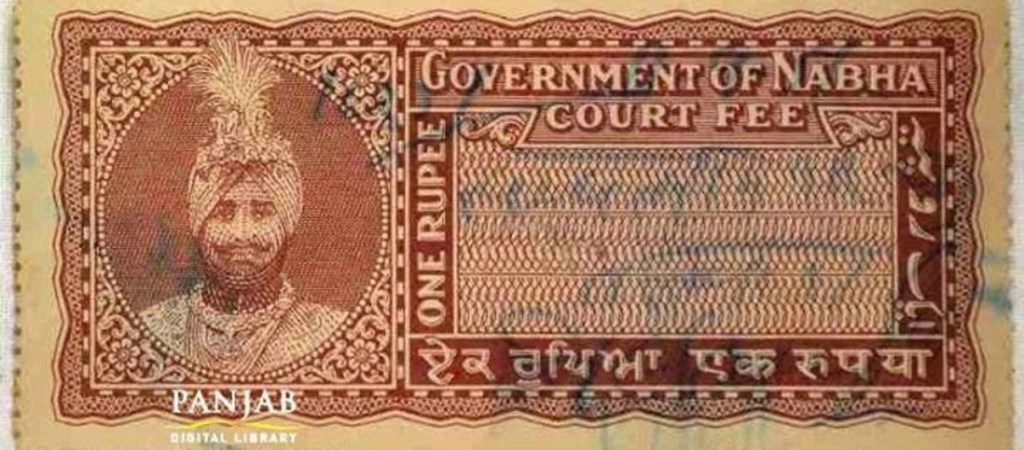
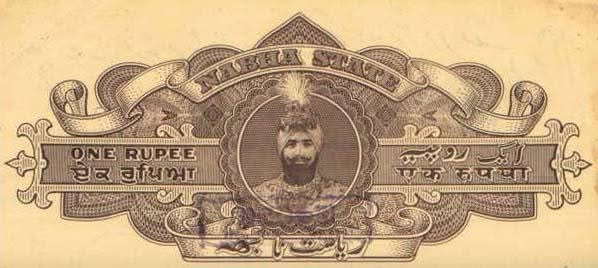
ਨਾਭਾ ਰਿਆਸਤ ਦਾ ਆਪਣਾ ਰਾਜਸੀ ਨਿਸ਼ਾਨ ਸੀ ਜੋ ਉਸ ਦੀ ਸ਼ਾਹੀ ਹਕੂਮਤ ਅਤੇ ਫੁਲਕੀਆ ਵਿਰਾਸਤ ਨੂੰ ਦਰਸਾਉਂਦਾ ਸੀ। ਇਹ ਨਿਸ਼ਾਨ ਸਿੱਕਿਆਂ, ਸਰਕਾਰੀ ਮੋਹਰਾਂ ਅਤੇ ਦਸਤਾਵੇਜ਼ਾਂ ’ਤੇ ਵਰਤਿਆ ਜਾਂਦਾ ਸੀ। ਰਿਆਸਤ ਦੇ ਝੰਡੇ ’ਤੇ ਵੀ ਖਾਸ ਡਿਜ਼ਾਈਨ ਅਤੇ ਰੰਗ ਹੁੰਦੇ ਸਨ ਜੋ ਉਸ ਨੂੰ ਹੋਰ ਰਿਆਸਤਾਂ ਤੋਂ ਵੱਖਰਾ ਬਣਾਉਂਦੇ ਸਨ ਅਤੇ ਇਸ ਦੀ ਰਾਜਸੀ ਪਹਿਚਾਣ ਦੱਸਦੇ ਸਨ। ਇਹ ਨਿਸ਼ਾਨ ਨਾਭਾ ਦੀ ਇਤਿਹਾਸਕ ਰਿਆਸਤ ਵਜੋਂ ਪਛਾਣ ਨੂੰ ਅੱਜ ਤੱਕ ਜਿੰਦਾ ਰੱਖਦੇ ਹਨ।
Nabha Riyasat had its own royal emblem that reflected both regal authority and its Phulkian heritage. This emblem was used on coins, official seals, and documents. The state’s flag featured unique designs and colors that distinguished it from others and represented its princely identity. These symbols have preserved Nabha’s legacy as a sovereign entity in history.
ਮਹਾਰਾਜਾ ਰਿਪੁਦਮਨ ਸਿੰਘ – ਆਜ਼ਾਦ ਸੋਚ ਦਾ ਰਾਜਾ
Maharaja Ripudaman Singh – The Independent-Minded Monarch
ਮਹਾਰਾਜਾ ਰਿਪੁਦਮਨ ਸਿੰਘ (ਜਨਮ: 1883, ਰਾਜ: 1911–1923) ਮਹਾਰਾਜਾ ਹੀਰਾ ਸਿੰਘ ਦੇ ਪੁੱਤਰ ਸਨ ਅਤੇ ਉਨ੍ਹਾਂ ਦੇ ਵੰਸ਼ ਨੂੰ ਅੱਗੇ ਵਧਾਉਣ ਵਾਲੇ ਉਤਸ਼ਾਹੀਲੇ, ਬਹੁਪੱਖੀ ਤੇ ਆਜ਼ਾਦ ਖਿਆਲ ਰਾਜਾ ਸਨ। ਉਨ੍ਹਾਂ ਨੇ ਨਿਡਰ ਹੋ ਕੇ ਬ੍ਰਿਟਿਸ਼ ਨੀਤੀਆਂ ਦੀ ਆਲੋਚਨਾ ਕੀਤੀ ਅਤੇ ਸਿੱਖ ਧਰਮ ਦੇ ਨੈਤਿਕ ਮੂਲਾਂ ਲਈ ਆਪਣੀ ਰਿਆਸਤ ਨੂੰ ਆਵਾਜ਼ ਬਣਾਇਆ।
Maharaja Ripudaman Singh (born in 1883, reigned 1911–1923) was the son of Maharaja Hira Singh and a progressive ruler who carried forward his father’s legacy. He was bold and outspoken, often criticizing British policies and standing up for Sikh religious and ethical values.

ਰਿਪੁਦਮਨ ਸਿੰਘ ਅਤੇ ਗੁਰਦੁਆਰਾ ਲਹਿਰ
Ripudaman Singh and the Gurdwara Reform Movement
ਜਦ ਸਿੱਖ ਗੁਰਦੁਆਰਿਆਂ ਦੀ ਬੇਅਦਬੀ ਅਤੇ ਮਹੰਤਾਂ ਦੀ ਕਰਪਸ਼ਨ ਵਿਰੁੱਧ ਅਕਾਲੀ ਅੰਦੋਲਨ ਚਲ ਰਿਹਾ ਸੀ, ਤਦ ਰਿਪੁਦਮਨ ਸਿੰਘ ਨੇ ਖੁੱਲ੍ਹੀ ਹਿਮਾਇਤ ਕੀਤੀ। ਉਨ੍ਹਾਂ ਨੇ ਗੁਰੂਘਰਾਂ ਦੀ ਅਜ਼ਾਦੀ, SGPC ਦੀ ਸਥਾਪਨਾ ਅਤੇ ਧਾਰਮਿਕ ਅਧਿਕਾਰਾਂ ਲਈ ਆਵਾਜ਼ ਉਠਾਈ। ਇਹ ਬ੍ਰਿਟਿਸ਼ ਹਕੂਮਤ ਨੂੰ ਗਵਾਰਾ ਨਹੀਂ ਸੀ। ਨਤੀਜਾ ਇਹ ਹੋਇਆ ਕਿ 1923 ਵਿੱਚ ਉਨ੍ਹਾਂ ਨੂੰ ਬ੍ਰਿਟਿਸ਼ ਨੇ ਤਖ਼ਤ ਤੋਂ ਹਟਾ ਦਿੱਤਾ।
When the Akali movement was rising against the corruption of the Gurdwaras by hereditary mahants, Ripudaman Singh openly supported the reforms. He advocated for the freedom of Sikh shrines, supported the creation of SGPC, and stood firmly for Sikh religious rights. This defiance angered the British authorities, and in 1923, he was deposed from the throne.
ਜਨਤਾ ਦੀ ਸਾਂਝੀ ਆਵਾਜ਼
A Voice for the People
ਰਿਪੁਦਮਨ ਸਿੰਘ ਆਪਣੇ ਸਮੇਂ ਦੇ ਸਭ ਤੋਂ ਪਸੰਦਿਦਾ ਵਾਲੇ ਸਿੱਖ ਸ਼ਾਸਕਾਂ ਵਿੱਚੋਂ ਇੱਕ ਸਨ। ਉਹ ਪੰਜਾਬੀ ਅਖ਼ਬਾਰਾਂ ਨੂੰ ਆਜ਼ਾਦੀ ਨਾਲ ਕੰਮ ਕਰਨ ਦਿੰਦੇ ਸਨ, ਲੋਕਾਂ ਨਾਲ ਮਿਲਦੇ ਰਹਿੰਦੇ ਸਨ ਅਤੇ ਸਮਾਜਿਕ ਨਿਆਂ ਨੂੰ ਅਹਿਮ ਦਿੰਦੇ ਸਨ। ਉਨ੍ਹਾਂ ਨੇ ਅਸਲ ਵਿਚ ਨਾਭਾ ਨੂੰ ਸਿਰਫ ਰਾਜ ਨਹੀਂ, ਸਿੱਖ ਸੱਭਿਆਚਾਰ ਦਾ ਜਿਊਂਦਾ ਨਮੂਨਾ ਬਣਾਇਆ।
Ripudaman Singh was among the most beloved Sikh rulers of his time. He allowed the Punjabi press to flourish, maintained close ties with his people, and placed great importance on social justice. Under him, Nabha was not just a princely state — it was a living example of Sikh culture and reform.
੮. ਮਹਾਰਾਜਾ ਪ੍ਰਤਾਪ ਸਿੰਘ – ਨਾਭਾ ਰਿਆਸਤ ਦੇ ਆਖਰੀ ਰਾਜਾ
Maharaja Pratap Singh – The Last Sovereign of Nabha
ਮਹਾਰਾਜਾ ਪ੍ਰਤਾਪ ਸਿੰਘ ਨਾਭਾ ਰਿਆਸਤ ਦੇ ਆਖਰੀ ਰਾਜਾ ਸਨ। ਉਹ 1919 ਵਿੱਚ ਮਹਾਰਾਜਾ ਰਿਪੁਦਮਨ ਸਿੰਘ ਦੇ ਪੁੱਤਰ ਵਜੋਂ ਜਨਮੇ। 1923 ਵਿੱਚ, ਜਦ ਉਹ ਸਿਰਫ਼ ਕੁਝ ਸਾਲਾਂ ਦੇ ਸਨ, ਤਦ ਉਨ੍ਹਾਂ ਦੇ ਪਿਤਾ ਰਿਪੁਦਮਨ ਸਿੰਘ ਨੂੰ ਬ੍ਰਿਟਿਸ਼ ਰਾਜ ਵੱਲੋਂ ਤਖ਼ਤ ਤੋਂ ਹਟਾ ਦਿੱਤਾ ਗਿਆ। ਇਸ ਤੋਂ ਬਾਅਦ, ਨਾਭਾ ਦੀ ਰਾਜਗੱਦੀ ਰਜਿਸਟੈਂਸੀ (Regency) ਦੇ ਅਧੀਨ ਆ ਗਈ, ਜੋ ਉਨ੍ਹਾਂ ਦੀ ਬਾਲਗ ਉਮਰ ਤੱਕ ਚਲਦੀ ਰਹੀ।
ਉਨ੍ਹਾਂ ਨੇ 1941 ਵਿੱਚ ਪੂਰੀ ਤਰ੍ਹਾਂ ਰਾਜਗੱਦੀ ਸੰਭਾਲੀ। ਉਨ੍ਹਾਂ ਦਾ ਰਾਜਕਾਲ ਇੱਕ ਬੇਹੱਦ ਨਾਜੁਕ ਦੌਰ ਸੀ — ਦੂਜਾ ਵਿਸ਼ਵ ਯੁੱਧ, ਭਾਰਤ ਦੀ ਆਜ਼ਾਦੀ ਦੀ ਤਿਆਰੀ, ਤੇ ਰਿਆਸਤਾਂ ਦੀ ਭਵਿੱਖੀ ਦਿਸ਼ਾ ਅਣਛੁਈ ਸੀ। ਪਰ ਮਹਾਰਾਜਾ ਪ੍ਰਤਾਪ ਸਿੰਘ ਨੇ ਸੰਜਮ , ਮੱਤਵਾਨੀ ਅਤੇ ਸ਼ਾਂਤ ਰੂਪ ਵਿੱਚ ਰਾਜ ਕੀਤਾ।
🔹 ਨਾਭਾ ਦਾ ਭਾਰਤ ਵਿੱਚ ਵਿਲੀਨ:
1947 ਵਿੱਚ ਭਾਰਤ ਦੀ ਆਜ਼ਾਦੀ ਤੋਂ ਬਾਅਦ, ਨਾਭਾ ਨੇ 20 ਜੁਲਾਈ 1948 ਨੂੰ PEPSU (Patiala and East Punjab States Union) ਵਿੱਚ ਸ਼ਾਮਿਲ ਹੋਣ ਦੀ ਸਵੀਕ੍ਰਿਤੀ ਦਿੱਤੀ। ਇਹ ਮਹੱਤਵਪੂਰਨ ਇਤਿਹਾਸਕ ਪਲ ਸੀ — ਨਾਭਾ ਨੇ ਆਪਣੀ ਰਾਜਸੀ ਅਸਥਿਤਾ ਤਿਆਗ ਕੇ ਲੋਕਤੰਤਰਿਕ ਭਾਰਤ ਦਾ ਹਿੱਸਾ ਬਣਨਾ ਚੁਣਿਆ।
ਮਹਾਰਾਜਾ ਪ੍ਰਤਾਪ ਸਿੰਘ ਨੇ ਨਾਭਾ ਨੂੰ ਨਰਮ ਰੂਪ ਵਿੱਚ ਨਵੀਂ ਰਾਸ਼ਟਰਵਾਦੀ ਭੂਮਿਕਾ ਵੱਲ ਲਿਜਾਇਆ। ਉਹ ਪਿੱਛਲੇ ਮਹਾਨ ਰਾਜਿਆਂ ਦੀ ਤਰ੍ਹਾਂ ਸਿੱਖੀ, ਪਾਰੰਪਰਿਕਤਾ ਅਤੇ ਲੋਕਸੇਵਾ ਨੂੰ ਸਨਮਾਨ ਦਿੰਦੇ ਰਹੇ।
🔹 ਉਨ੍ਹਾਂ ਦੀ ਵਿਰਾਸਤ:
- ਨਾਭਾ ਰਿਆਸਤ ਦੇ ਸੰਵਿਧਾਨਕ ਰੂਪ ਨਾਲ ਭਾਰਤ ਵਿੱਚ ਸੰਮਿਲਨ ਦੀ ਅਗਵਾਈ।
- ਰਾਜਨੀਤਿਕ ਤਰ੍ਹਾਂ ਸੰਯਮਤ ਅਤੇ ਲੋਕਤੰਤਰ ਦੀ ਸਵੀਕ੍ਰਿਤੀ ਵਾਲਾ ਰਾਜ।
- ਰਿਆਸਤ ਦੀ ਆਜ਼ਾਦੀ ਨੂੰ ਇਤਿਹਾਸਕ ਨਰਮੀ ਨਾਲ ਰਾਸ਼ਟਰੀ ਏਕਤਾ ਵਿੱਚ ਤਬਦੀਲ ਕਰਨਾ।
ਮਹਾਰਾਜਾ ਪ੍ਰਤਾਪ ਸਿੰਘ, ਇੱਕ ਅਜਿਹਾ ਰਾਜਾ ਸੀ ਜਿਸ ਨੇ ਤਖ਼ਤ ਨੂੰ ਇਤਿਹਾਸ ਦੇ ਹਵਾਲੇ ਕਰਕੇ, ਲੋਕਤੰਤਰਿਕ ਭਵਿੱਖ ਨੂੰ ਗਲੇ ਲਾਇਆ।

Maharaja Pratap Singh was the last sovereign ruler of Nabha Riyasat. Born in 1919, he was the son of Maharaja Ripudaman Singh, who was deposed by the British in 1923. At that time, young Pratap Singh was still a minor, so Nabha was placed under a British-regulated regency, which lasted until he came of age.
He assumed full royal responsibilities in 1941, during a highly delicate period in Indian history — with the Second World War, nationalist movements intensifying, and the uncertain future of princely states. Maharaja Pratap Singh ruled with dignity, restraint, and wisdom.
🔹 Accession to India:
Following India’s independence in 1947, Maharaja Pratap Singh signed the Instrument of Accession on July 20, 1948, merging Nabha into the newly formed PEPSU (Patiala and East Punjab States Union). This decision marked the peaceful conclusion of Nabha’s princely identity and its integration into democratic India.
Maharaja Pratap Singh, much like his forebears, maintained strong respect for Sikh values, cultural legacy, and public service. He became a graceful bridge between monarchy and modern nationhood.
🔹 His Legacy:
- Led Nabha’s constitutional integration into the Indian Union.
- Ruled with composure during an era of transformation.
- Symbolized the peaceful and noble transition from royalty to democracy.
Maharaja Pratap Singh was the monarch who handed over the crown to history, and welcomed the people’s future.
🔚 ਨਾਭਾ ਰਿਆਸਤ ਦੀ ਰਾਜਗੱਦੀ ਖਤਮ ਹੋਈ, ਪਰ ਇਤਿਹਾਸ ਨਹੀਂ
Though the Royal Line Ended, the History Lives On
ਨਾਭਾ ਦੇ ਇਹ 8 ਰਾਜੇ ਸਿਰਫ ਤਖ਼ਤ ਦੇ ਉੱਤੇ ਨਹੀਂ ਬੈਠੇ ਸਨ – ਉਨ੍ਹਾਂ ਨੇ ਇਤਿਹਾਸ, ਧਰਮ, ਸਿੱਖੀ, ਅਤੇ ਪੰਜਾਬੀ ਸੱਭਿਆਚਾਰ ਦੀ ਨਵੀਂ ਪਰਿਭਾਸ਼ਾ ਲਿਖੀ। ਉਨ੍ਹਾਂ ਦੀ ਯਾਦ ਇਤਿਹਾਸਿਕ ਇਮਾਰਤਾਂ, ਲਾਇਬ੍ਰੇਰੀਆਂ, ਅਤੇ ਗੁਰਦੁਆਰਿਆਂ ਰੂਪ ਵਿਚ ਅੱਜ ਵੀ ਸੱਜੀ ਹੋਈ ਹੈ।
These 8 rulers of Nabha didn’t just occupy thrones — they wrote a new chapter in history, religion, Sikh tradition, and Punjabi identity. Their memory lives on in Nabha’s forts, libraries, and Gurdwaras.
ਨਾਭਾ ਰਿਆਸਤ ਦੇ ਰਾਜਸੀ ਨਿਸ਼ਾਨ – ਝੰਡਾ, ਚਿੰਨ੍ਹ ਅਤੇ ਮੋਹਰਾਂ
The Royal Symbols of Nabha – Flag, Emblem, and Coins
🔶 ਨਾਭਾ ਰਿਆਸਤ ਦਾ ਝੰਡਾ
The Flag of Nabha Riyasat
ਨਾਭਾ ਰਿਆਸਤ ਦਾ ਝੰਡਾ ਚੌਰਸ ਰੂਪ ਵਿੱਚ ਹੁੰਦਾ ਸੀ, ਜਿਸ ਵਿੱਚ ਕੇਂਦਰ ਵਿੱਚ ਰਾਜਸੀ ਚਿੰਨ੍ਹ (Lion with a Sword or Royal Arms) ਹੁੰਦਾ। ਇਸਦੇ ਚੱਕਰ ਦੇ ਆਲੇ-ਦੁਆਲੇ ਕਈ ਵਾਰ ਫੁਲਕੀਆਂ ਮੋਟੀਫ ਜਾਂ ਸਿੰਘੀ ਸਵਰੂਪ ਦਰਸਾਏ ਜਾਂਦੇ। ਰੰਗਾਂ ਵਿੱਚ ਲਾਲ, ਨੀਲਾ ਜਾਂ ਸੋਨੇ ਰੰਗ ਦੀ ਵਰਤੋਂ ਆਮ ਸੀ, ਜੋ ਤਾਕਤ, ਧਰਮ ਅਤੇ ਸ਼ਾਨ ਦਾ ਪ੍ਰਤੀਕ ਮੰਨੇ ਜਾਂਦੇ।
The flag of Nabha Riyasat was typically square and bore the royal insignia in the center — often a lion with a sword or a stylized coat of arms. Around it, Phulkian motifs or Sikh imagery were sometimes featured. Common colors included deep red, blue, and gold, symbolizing strength, divinity, and regal dignity.
🔶 ਰਾਜ ਚਿੰਨ੍ਹ (Coat of Arms or Emblem)
ਨਾਭਾ ਦਾ ਰਾਜ ਚਿੰਨ੍ਹ ਇੱਕ ਸ਼ੇਰ, ਤਲਵਾਰ, ਅਤੇ ਕਈ ਵਾਰ ਸਾਹੀ ਤਾਜ ਜਾਂ ਅੱਖਰ “ਨ” ਨਾਲ ਸ਼ਿੰਗਾਰਿਤ ਹੁੰਦਾ ਸੀ। ਇਹ ਚਿੰਨ੍ਹ ਰਾਜਸੀ ਦਸਤਾਵੇਜ਼ਾਂ, ਨੋਟਿਸਾਂ ਅਤੇ ਮੁਦਰਾ ਤੇ ਵਾਪਰਦਾ ਸੀ। ਇਹ ਨਿਸ਼ਾਨ ਨਾਭਾ ਦੀ ਇਤਿਹਾਸਕ ਅਸਥਿਤਾ, ਸਿੱਖ ਰਾਜਸੀ ਆਤਮਗੌਰਵ ਅਤੇ ਫੁਲਕੀਆਂ ਵਿਰਾਸਤ ਦਾ ਪ੍ਰਤੀਕ ਸੀ।
Nabha’s coat of arms featured a lion, sword, and often a crown or the letter “N” signifying Nabha. This emblem appeared on official documents, seals, and currency — a proud symbol of Nabha’s identity, Sikh sovereignty, and its Phulkian heritage.

🔶 ਮੋਹਰਾਂ ਅਤੇ ਰੁਪਏ
Coins and Currency of Nabha
ਨਾਭਾ ਰਿਆਸਤ ਨੇ ਆਪਣੇ ਰਾਜ ਵਿੱਚ ਚਾਂਦੀ ਅਤੇ ਤਾਂਬੇ ਦੀਆਂ ਮੋਹਰਾਂ ਜਾਰੀ ਕੀਤੀਆਂ। ਇਨ੍ਹਾਂ ‘ਤੇ ਪੰਜਾਬੀ ਲਿਪੀ ਵਿੱਚ ਨਾਭਾ ਰਾਜ ਦਾ ਨਾਂ ਅਤੇ ਰਾਜੇ ਦਾ ਸਾਲ ਦਰਜ ਹੁੰਦਾ ਸੀ। ਇਹ ਮੋਹਰਾਂ ਅੱਜ ਵੀ ਕਈ ਸੰਗ੍ਰਹਾਲਿਆਂ, ਨਿਲਾਮੀਆਂ ਅਤੇ ਨਿੱਜੀ ਕਲੇਕਸ਼ਨਾਂ ਵਿੱਚ ਮਿਲਦੀਆਂ ਹਨ — ਜੋ ਨਾਭਾ ਦੀ ਆਰਥਿਕ ਅਤੇ ਰਾਜਸੀ ਸੁਤੰਤਰਤਾ ਦੀ ਨਿਸ਼ਾਨੀ ਹਨ।
Nabha Riyasat minted its own silver and copper coins during its sovereignty. These coins bore the name of the state and the reigning ruler, usually inscribed in Gurmukhi script. Today, these coins are prized by museums, collectors, and historians as symbols of Nabha’s financial independence and royal authority.
ਨਾਭਾ ਰਿਆਸਤ ਦੀ ਵਿਰਾਸਤ – ਇੱਕ ਆਤਮਕ ਤੇ ਇਤਿਹਾਸਕ ਸੰਮੇਲਨ
The Legacy of Nabha Riyasat – A Spiritual and Historical Symphony
ਨਾਭਾ ਰਿਆਸਤ ਭਾਵੇਂ ਅੱਜ ਇੱਕ ਰਾਜਨੀਤਿਕ ਇਕਾਈ ਵਜੋਂ ਮੌਜੂਦ ਨਹੀਂ ਰਹੀ, ਪਰ ਇਸ ਦੀ ਵਿਰਾਸਤ ਹਰ ਪੰਜਾਬੀ ਦੇ ਦਿਲ ਵਿੱਚ ਧੜਕਦੀ ਹੈ। ਇਹ ਸਿਰਫ ਇੱਕ ਰਾਜ ਨਹੀਂ ਸੀ — ਇਹ ਇੱਕ ਸੋਚ ਸੀ, ਇੱਕ ਸੰਸਕਾਰ ਸੀ, ਜੋ ਰਾਜਨੀਤਿਕ ਉਤਸ਼ਾਹ, ਧਰਮਿਕ ਸੇਵਾ, ਤੇ ਸਿੱਖੀ ਦੀ ਰੂਹਾਨੀ ਉੱਚਤਾ ਨੂੰ ਇਕਠਾ ਕਰਦਾ ਸੀ।
Nabha Riyasat may no longer exist as a political entity, but its legacy still pulses in the hearts of Punjabis. It was not just a state — it was a vision, a culture, and a collective spirit that brought together political conviction, religious service, and spiritual elevation rooted in Sikh principles.

ਨਾਭਾ – ਫੁਲਕੀਆਂ ਘਰਾਨੇ ਦੀ ਰੌਣਕ
Nabha – The Radiance of the Phulkian Lineage
ਨਾਭਾ ਫੁਲਕੀਆਂ ਵੰਸ਼ ਦੀ ਇੱਕ ਅਜਿਹੀ ਕੜੀ ਸੀ ਜਿਸ ਨੇ ਨਾ ਸਿਰਫ਼ ਰਾਜ ਕੀਤਾ, ਪਰ ਲੋਕਾਂ ਦੇ ਮਨਾਂ ਉੱਤੇ ਵੀ ਰਾਜ ਕੀਤਾ। ਹਮੀਰਾ ਸਿੰਘ ਤੋਂ ਲੈ ਕੇ ਹੀਰਾ ਸਿੰਘ ਅਤੇ ਰਿਪੁਦਮਨ ਸਿੰਘ ਤੱਕ, ਹਰ ਰਾਜੇ ਨੇ ਇੱਕ ਅਜਿਹੀ ਰੀਤ ਛੱਡੀ ਜੋ ਨੈਤਿਕਤਾ, ਵਿਦਿਆ, ਆਤਮਿਕਤਾ ਅਤੇ ਲੋਕਸੇਵਾ ਨਾਲ ਭਰਪੂਰ ਸੀ।
Nabha stood as a shining link in the Phulkian lineage — a dynasty that ruled not just territory but hearts. From Hamira Singh to Hira Singh and Ripudaman Singh, every ruler left behind a legacy steeped in morality, knowledge, spirituality, and service to the people.

ਨਾਭਾ ਦੀ ਰੂਹ ਅੱਜ ਵੀ ਜਿਊਂਦੀ ਹੈ
The Spirit of Nabha Lives On
ਨਾਭਾ ਦੇ ਇਤਿਹਾਸਕ ਗੁਰਦੁਆਰੇ, ਪੁਰਾਣੀਆਂ ਇਮਾਰਤਾਂ, ਅਤੇ ਪੁਸਤਕਾਲਿਆਂ ਵਿੱਚ ਅਜੇ ਵੀ ਉਹ ਰੂਹਾਨੀ ਤੇ ਇਤਿਹਾਸਕ ਖ਼ੁਸ਼ਬੂ ਮਹਿਸੂਸ ਕੀਤੀ ਜਾ ਸਕਦੀ ਹੈ। ਨਾਭਾ ਦੀ ਰੂਹ SGPC ਦੇ ਆਦਿ ਵਿੱਚ, ਸਿੱਖ ਪੱਤਰਕਾਰਤਾ ਵਿੱਚ, ਅਤੇ ਗੁਰਮਤਿ ਦੇ ਪ੍ਰਸਾਰ ਵਿੱਚ ਅਜੇ ਵੀ ਜੀਉਂਦੀ ਹੈ।
The spiritual fragrance of Nabha still lingers in its historic Gurdwaras, libraries, and buildings. The spirit of Nabha lives on — in the founding of the SGPC, in Sikh journalism, and in the continuing spread of Gurmat across the world.
ਇਕ ਆਸ – ਇਤਿਹਾਸ ਨੂੰ ਜੀਉਂਦਾ ਰੱਖਣ ਦੀ
A Hope – To Keep the History Alive
“Ethereal Panjab” ਵਾਂਗ ਪਲੇਟਫਾਰਮ ਇਨ੍ਹਾਂ ਇਤਿਹਾਸਕ ਸਫਿਆਂ ਨੂੰ ਦੁਬਾਰਾ ਜਗਾਉਣ ਦੀ ਕੋਸ਼ਿਸ਼ ਹਨ — ਤਾਂਕਿ ਆਉਣ ਵਾਲੀ ਪੀੜ੍ਹੀ ਜਾਣ ਸਕੇ ਕਿ ਸਾਡੀ ਧਰਤੀ ਸਿਰਫ਼ ਜੰਗਾਂ ਦੀ ਨਹੀਂ, ਪਰ ਗਿਆਨ, ਰੂਹਾਨੀਅਤ ਅਤੇ ਇਨਸਾਫ਼ ਦੀ ਧਰਤੀ ਸੀ।
Platforms like Ethereal Panjab are vital in reviving these forgotten pages of history — so that the next generation understands that our land was not just one of battles, but of wisdom, spirituality, and justice.
 EtherealPanjab