

Patiala Riyasat – The Largest Phulkian State of Punjab
ਪਟਿਆਲਾ ਰਿਆਸਤ ਫੁਲਕੀਆਂ ਘਰਾਣੇ ਦੀ ਸਭ ਤੋਂ ਵੱਡੀ ਅਤੇ ਪ੍ਰਭਾਵਸ਼ਾਲੀ ਰਿਆਸਤ ਸੀ। ਇਸ ਦੀ ਸਥਾਪਨਾ ਚੌਧਰੀ ਫੁਲ ਦੇ ਵੰਸ਼ਜ ਬਾਬਾ ਆਲਾ ਸਿੰਘ ਨੇ 1763 ਈ. ਵਿੱਚ ਕੀਤੀ। ਜਿਵੇਂ ਜੀਂਦ ਅਤੇ ਨਾਭਾ ਰਿਆਸਤਾਂ ਤਿਲੋਕਾ ਸਿੰਘ ਦੀ ਲਾਈਨ ਤੋਂ ਆਈਆਂ, ਉਵੇਂ ਪਟਿਆਲਾ ਰਾਮ ਸਿੰਘ ਦੇ ਵੰਸ਼ ਤੋਂ ਸੀ — ਫੁਲ ਦੇ ਦੂਜੇ ਪੁੱਤਰ।
ਪਟਿਆਲਾ ਨੇ ਆਪਣੇ ਸ਼ੁਰੂਆਤੀ ਦਿਨਾਂ ਤੋਂ ਹੀ ਸਿਆਸੀ ਤੇ ਸੈਨਿਕ ਮੈਦਾਨ ਵਿੱਚ ਵਿਸ਼ੇਸ਼ ਦਰਜਾ ਹਾਸਲ ਕੀਤਾ। ਇਹ ਰਿਆਸਤ ਮਹਾਰਾਜਾ ਰਣਜੀਤ ਸਿੰਘ ਦੇ ਪੰਜਾਬੀ ਸਾਮਰਾਜ ਦਾ ਹਿੱਸਾ ਨਹੀਂ ਸੀ, ਬਲਕਿ ਬ੍ਰਿਟਿਸ਼ ਰਾਜ ਨਾਲ ਵੱਖਰੀ ਰਾਜਨੀਤਿਕ ਸਾਂਝ ਰੱਖਦੀ ਸੀ। ਇਸ ਕਾਰਨ, ਪਟਿਆਲਾ ਨੂੰ ਪੰਜਾਬ ਵਿੱਚ ਇੱਕ ਵਿਸ਼ੇਸ਼ ਸਥਾਨ ਮਿਲਿਆ — ਇੱਕ ਰਾਜਸੀ ਸਾਥੀ, ਇੱਕ ਸੱਭਿਆਚਾਰਕ ਕੇਂਦਰ ਅਤੇ ਸਿੱਖ ਪਹਿਚਾਣ ਦੀ ਝਲਕ।
Patiala Riyasat was the largest and most powerful of the Phulkian States. It was founded in 1763 CE by Baba Ala Singh, a descendant of Chaudhary Phul — the ancestor of the Phulkian dynasty. While Nabha and Jind descended from Tiloka Singh, Patiala came from the line of Ram Singh, Phul’s second son.
From its earliest days, Patiala carved a distinct identity for itself — both politically and militarily. Unlike other Sikh territories, it was not absorbed by Maharaja Ranjit Singh’s empire, but instead maintained a separate alliance with the British. This unique positioning gave Patiala a special place in Punjab — as a political ally, a cultural hub, and a symbol of Sikh prestige.
ਪਟਿਆਲਾ ਰਿਆਸਤ ਦੇ ਰਾਜੇ – ਬਾਬਾ ਆਲ੍ਹਾ ਸਿੰਘ ਤੋਂ ਆਖਰੀ ਮਹਾਰਾਜਾ ਤੱਕ
Rulers of Patiala Riyasat – From Baba Ala Singh to the Last Maharaja
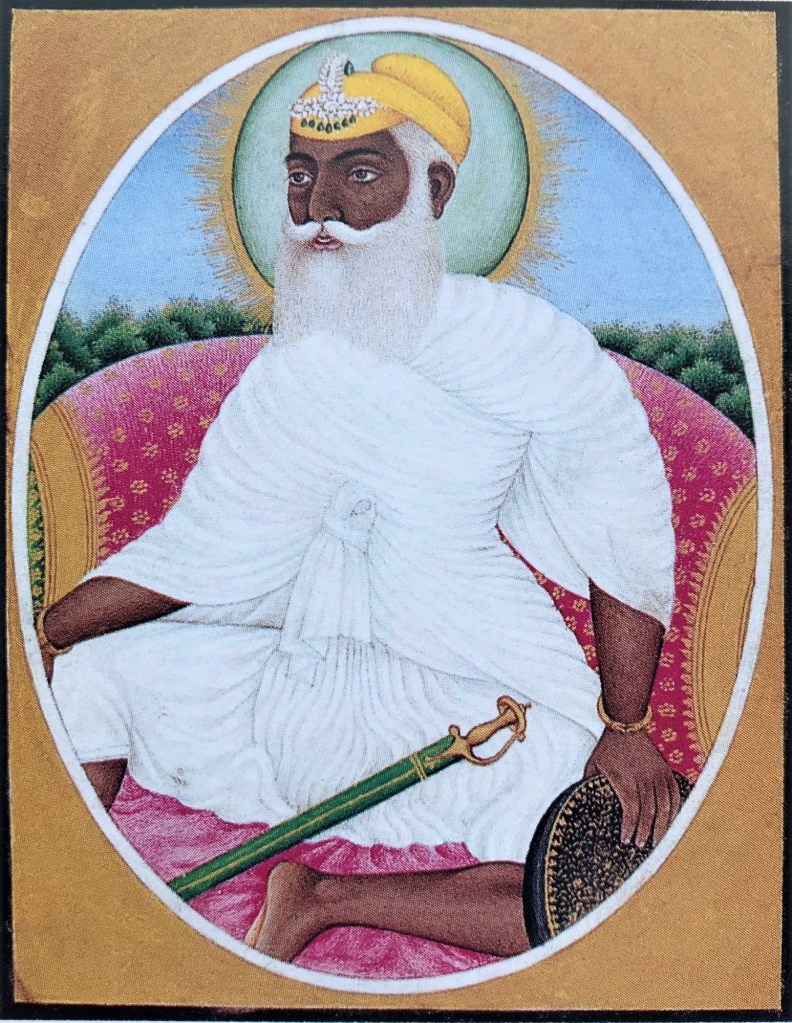
1. ਬਾਬਾ ਆਲਾ ਸਿੰਘ | Baba Ala Singh
ਸੰਸਥਾਪਕ – ਪਟਿਆਲਾ ਰਿਆਸਤ | Founder of Patiala State
1. ਵੰਸ਼ ਅਤੇ ਪਿਛੋਕੜ | Lineage and Early Background
ਬਾਬਾ ਆਲਾ ਸਿੰਘ ਫੁਲਕੀਆਂ ਘਰਾਣੇ ਨਾਲ ਸੰਬੰਧਤ ਸਨ, ਜੋ ਕਿ ਬਾਬਾ ਫੂਲ ਦੀ ਸਤਿਕਾਰਯੋਗ ਵੰਸ਼ਾਵਲੀ ਵਿੱਚੋਂ ਸਨ। ਇਹ ਵੰਸ਼ ਮਾਲਵਾ ਖੇਤਰ ਵਿੱਚ ਵੱਸਦਾ ਇੱਕ ਸ਼ਕਤਸ਼ਾਲੀ ਖਾਲਸਾ ਘਰਾਣਾ ਸੀ। ਬਾਬਾ ਆਲਾ ਸਿੰਘ ਦੇ ਪੂਰਵਜਾਂ ਵਿੱਚ ਚੌਧਰੀ ਰਾਮ ਸਿੰਘ ਅਤੇ ਚੌਧਰੀ ਸਿੱਧੂ ਵਰਗੇ ਪ੍ਰਸਿੱਧ ਨਾਮ ਆਉਂਦੇ ਹਨ, ਜਿਨ੍ਹਾਂ ਦੀ ਅਗਵਾਈ ਹੇਠ ਇਹ ਘਰਾਣਾ ਆਪਣੇ ਇਲਾਕੇ ਵਿੱਚ ਪਰਸਿੱਧ ਹੋਇਆ।
Baba Ala Singh hailed from the Phulkian dynasty, a noble lineage tracing back to Baba Phul, the patriarch of the rulers of Patiala, Nabha, and Jind. The Phulkian clan was rooted in the Malwa region and had risen in prominence under leaders like Chaudhary Ram Singh and Chaudhary Sidhu, whose influence laid the groundwork for later territorial claims.
2. ਰਾਜਨੀਤਿਕ ਉਭਾਰ | Rise to Power
18ਵੀਂ ਸਦੀ ਦੇ ਮੱਧ ਦੌਰਾਨ, ਜਦੋਂ ਮੁਗਲ ਸਾਮਰਾਜ ਆਪਣੀ ਕਮਜ਼ੋਰੀ ਦੀ ਦਸ਼ਾ ਵਿੱਚ ਸੀ, ਆਲਾ ਸਿੰਘ ਨੇ ਆਪਣੀ ਦੂਰਅੰਦੇਸ਼ੀ ਅਤੇ ਸਿਆਣਪ ਨਾਲ ਮਾਲਵਾ ਖੇਤਰ ਵਿੱਚ ਰਾਜਨੀਤਿਕ ਹਾਲਾਤਾਂ ਦਾ ਲਾਭ ਚੁੱਕਿਆ। ਉਨ੍ਹਾਂ ਨੇ ਸਥਾਨਕ ਜਮੀਨਦਾਰਾਂ ਅਤੇ ਸਿੰਘ ਜਥਿਆਂ ਦੀ ਸਹਾਇਤਾ ਨਾਲ ਬਰਨਾਲਾ ’ਚ ਅਸਥਾਈ ਠਿਕਾਣਾ ਬਣਾਇਆ ਅਤੇ ਬਾਅਦ ਵਿੱਚ ਪਟਿਆਲਾ ਨਗਰੀ ਦੀ ਸਥਾਪਨਾ ਕੀਤੀ।
During the mid-18th century, amid the decline of the Mughal Empire, Ala Singh strategically leveraged the volatile political climate of the Malwa region. With the support of local zamindars and Sikh warrior groups, he initially established a stronghold in Barnala, and later laid the foundation of Patiala city, which would become the capital of a sovereign Sikh principality.
3. ਅਫਗਾਨ ਸੰਜੋਗ ਅਤੇ ਰਾਜਾ ਦੀ ਉਪਾਧੀ | Afghan Alliance and Title of Raja
ਆਲਾ ਸਿੰਘ ਨੇ ਅਫਗਾਨ ਸੂਰਮੇ ਅਹਿਮਦ ਸ਼ਾਹ ਅਬਦਾਲੀ ਨਾਲ ਰਾਜਨੀਤਿਕ ਸਾਂਝ ਬਣਾਈ। ਜਦੋਂ ਅਬਦਾਲੀ ਨੇ ਭਾਰਤ ਵਿੱਚ ਹਮਲੇ ਕੀਤੇ, ਤਾਂ ਆਲਾ ਸਿੰਘ ਨੇ ਸਾਵਧਾਨੀ ਨਾਲ ਆਪਣੀ ਨੀਤੀ ਰੱਖੀ ਅਤੇ ਉਸ ਨਾਲ ਕੁਝ ਹੱਦ ਤੱਕ ਸਾਂਝ ਪੱਕੀ ਕੀਤੀ। ਇਸ ਸਿਆਣਪ ਦਾ ਨਤੀਜਾ ਇਹ ਨਿਕਲਿਆ ਕਿ 1761 ’ਚ ਉਨ੍ਹਾਂ ਨੂੰ ਰਾਜਾ ਦੀ ਉਪਾਧੀ ਮਿਲੀ ਅਤੇ ਪਟਿਆਲਾ ਰਾਜ ਦੀ ਵੈਧਤਾ ਮੰਨੀ ਗਈ।
Ala Singh established diplomatic relations with Ahmad Shah Abdali, the Afghan invader who launched several expeditions into India. Navigating the complex political tides with caution, Ala Singh struck a pragmatic alliance with Abdali. As a result, in 1761, he was conferred the title of “Raja”, officially recognizing his authority over Patiala and legitimizing his rule in the eyes of external powers.
4. ਸਿਆਣਪ ਭਰੀ ਨੀਤੀਆਂ ਅਤੇ ਵਿਸਥਾਰ | Strategic Policies and Expansion
ਬਾਬਾ ਆਲਾ ਸਿੰਘ ਦੀ ਰਾਜਨੀਤੀ ਸੰਘਰਸ਼ ਅਤੇ ਸਮਝਦਾਰੀ ਦੀ ਮਿਸਾਲ ਸੀ। ਜਿਥੇ ਜ਼ਰੂਰਤ ਪਈ ਉਥੇ ਉਨ੍ਹਾਂ ਨੇ ਤਲਵਾਰ ਚੁੱਕੀ, ਪਰ ਜਿਥੇ ਸੰਭਾਵਨਾ ਹੋਈ ਉਥੇ ਸੰਧੀਆਂ ਰਾਹੀਂ ਆਪਣਾ ਰੁਤਬਾ ਵਧਾਇਆ। ਉਨ੍ਹਾਂ ਦੀ ਸਿਆਣਪ ਇਹ ਸੀ ਕਿ ਜ਼ਮੀਨੀ ਹਕੂਮਤ ਨੂੰ ਮਜ਼ਬੂਤ ਕਰਦੇ ਹੋਏ ਕਦੇ ਵੀ ਅਣਵਾਂਝੀਆਂ ਲੜਾਈਆਂ ਵਿੱਚ ਨਹੀਂ ਫਸੇ।
Baba Ala Singh’s political strategy blended calculated warfare with diplomacy. While he did not shy away from armed assertion when necessary, he preferred negotiations and alliances to avoid unwinnable conflicts. His farsighted policies helped expand his dominion steadily, without invoking unnecessary hostilities that could weaken his hold.
5. ਵਿਰਾਸਤ ਅਤੇ ਇਤਿਹਾਸਕ ਅਹਿਮੀਅਤ | Legacy and Historical Significance
ਆਲਾ ਸਿੰਘ ਨੇ ਸਿਰਫ਼ ਇੱਕ ਨਵਾਂ ਸ਼ਹਿਰ ਹੀ ਨਹੀਂ ਬਣਾਇਆ, ਸਗੋਂ ਇੱਕ ਅਜਿਹਾ ਰਾਜ ਬਣਾਇਆ ਜਿਸਨੇ ਅਗਲੇ ਸੌ ਸਾਲਾਂ ਤੱਕ ਪੰਜਾਬ ਦੀ ਰਾਜਨੀਤੀ ਵਿੱਚ ਕੇਂਦਰੀ ਭੂਮਿਕਾ ਨਿਭਾਈ। ਪਟਿਆਲਾ ਰਿਆਸਤ ਫੁਲਕੀਆਂ ਵਿੱਚੋਂ ਸਭ ਤੋਂ ਵੱਡੀ ਅਤੇ ਪ੍ਰਭਾਵਸ਼ਾਲੀ ਰਹੀ। ਉਨ੍ਹਾਂ ਦੀ ਨੀਵਾਂ ਉੱਤੇ ਉਭਰ ਕੇ ਅਗਲੇ ਰਾਜਿਆਂ ਨੇ ਇੱਕ ਸਸਕਤ ਰਾਜ ਅਸਥਾਪਤ ਕੀਤਾ ਜੋ ਬਰਤਾਨਵੀ ਹਕੂਮਤ ਦੌਰਾਨ ਵੀ ਕਾਇਮ ਰਿਹਾ।
Baba Ala Singh did not merely establish a new city; he laid the cornerstone of what would become the largest and most influential Phulkian State. His principality played a central role in the politics of Punjab for over a century. His successors, building upon his foundation, transformed Patiala into a powerful and enduring state that retained significance even during the British era.
2. ਮਹਾਰਾਜਾ ਅਮਰ ਸਿੰਘ – ਪਟਿਆਲਾ ਦਾ ਪਹਿਲਾ ਮਹਾਰਾਜਾ
Maharaja Amar Singh – The First Maharaja of Patiala
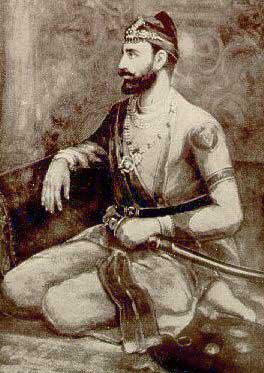
ਮਹਾਰਾਜਾ ਅਮਰ ਸਿੰਘ (ਜਨਮ: 1748, ਰਾਜਕਾਲ: 1765–1781) ਬਾਬਾ ਆਲ੍ਹਾ ਸਿੰਘ ਦੇ ਪੁੱਤਰ ਅਤੇ ਪਟਿਆਲਾ ਰਿਆਸਤ ਦੇ ਪਹਿਲੇ ਸਰਕਾਰੀ “ਮਹਾਰਾਜਾ” ਸਨ। ਜਦੋਂ ਬਾਬਾ ਆਲ੍ਹਾ ਸਿੰਘ 1765 ਵਿੱਚ ਪਰਲੋਕ ਗਏ, ਤਦ ਅਮਰ ਸਿੰਘ ਨੇ ਤਖ਼ਤ ਸੰਭਾਲਿਆ — ਇਕ ਐਸੇ ਸਮੇਂ ਜਦ ਸਿੱਖ ਮਿਸਲਾਂ ਵਿਚਕਾਰ ਹਲਚਲ ਚੱਲ ਰਹੀ ਸੀ, ਅਤੇ ਮੁਗਲ ਰਾਜ ਦੀ ਕਮਜ਼ੋਰੀ ਨੇ ਨਵੇਂ ਰਾਜਾਂ ਨੂੰ ਉਭਰਨ ਦਾ ਮੌਕਾ ਦਿੱਤਾ।
🔹 ਰਾਜਨੀਤਿਕ ਸਥਿਰਤਾ ਦੀ ਸਥਾਪਨਾ:
ਅਮਰ ਸਿੰਘ ਨੇ ਪਿਛਲੇ ਦੌਰ ਵਿੱਚ ਬਣੀ ਪਟਿਆਲਾ ਦੀ ਨੀਂਹ ਨੂੰ ਮਜ਼ਬੂਤੀ ਦਿੰਦੇ ਹੋਏ ਨਵੀਆਂ ਪ੍ਰਸ਼ਾਸਕੀ ਨੀਤੀਆਂ, ਕਿਲਾ ਬੰਦੋਬਸਤ, ਅਤੇ ਸਰਕਾਰੀ ਵਿਭਾਗਾਂ ਦੀ ਸੰਰਚਨਾ ਕੀਤੀ। ਉਹ ਇੱਕ ਬਹੁਤ ਸਿਆਣਾ ਅਤੇ ਸੰਤੁਲਿਤ ਰਾਜਾ ਸਾਬਤ ਹੋਇਆ, ਜਿਸਨੇ ਰਾਜ ਨੂੰ ਅੰਦਰੋਂ ਤਕੜਾ ਕੀਤਾ।
ਉਨ੍ਹਾਂ ਦੇ ਰਾਜਕਾਲ ਦੌਰਾਨ ਪਟਿਆਲਾ ਨੇ ਪਹਿਲੀ ਵਾਰ ਅੰਗਰੇਜ਼ੀ ਰਾਜ ਨਾਲ ਸੰਪਰਕ ਬਣਾਇਆ, ਜੋ ਬਾਅਦ ਵਿੱਚ ਪਟਿਆਲਾ ਦੀ ਰਾਜਨੀਤਿਕ ਰਣਨੀਤੀ ਦਾ ਕੇਂਦਰ ਬਣਿਆ।
🔹 ਰਾਜਸੀ ਖਿਤਾਬ – “ਮਹਾਰਾਜਾ”:
ਪਟਿਆਲਾ ਦੇ ਇਤਿਹਾਸ ਵਿੱਚ ਇਹ ਮਹੱਤਵਪੂਰਨ ਮੋੜ ਸੀ — ਅਮਰ ਸਿੰਘ ਨੂੰ ਪਹਿਲੀ ਵਾਰ “ਮਹਾਰਾਜਾ” ਦਾ ਉਪਾਧੀਕ ਤੌਰ ‘ਤੇ ਸਨਮਾਨ ਮਿਲਿਆ। ਇਹ ਸਿਰਫ ਰਾਜ ਸਿੰਘਾਸਨ ਦੀ ਬਦਲੀ ਨਹੀਂ, ਸਗੋਂ ਪਟਿਆਲਾ ਨੂੰ ਰਾਜਨੀਤਿਕ ਦਰਜਾ ਮਿਲਣ ਦੀ ਮੀਲ ਪੱਥਰ ਸੀ।
🔹 ਧਾਰਮਿਕ ਆਸਥਾ:
ਮਹਾਰਾਜਾ ਅਮਰ ਸਿੰਘ ਗੁਰਮਤਿ ਵਿਚਕਾਰ ਦੀਪਤ, ਨਿਮਰ, ਅਤੇ ਲੋਕ ਸੇਵਾ ਦੇ ਪ੍ਰਤੀ ਵਚਨਬੱਧ ਸਨ। ਉਨ੍ਹਾਂ ਨੇ ਧਾਰਮਿਕ ਇਮਾਰਤਾਂ, ਗੁਰਦੁਆਰਿਆਂ ਦੀ ਨਵੀਨੀਕਰਨ, ਅਤੇ ਸਿੱਖ ਸੰਸਕਾਰਾਂ ਦੀ ਰਾਖੀ ਲਈ ਕਈ ਪ੍ਰੋਜੈਕਟ ਸ਼ੁਰੂ ਕੀਤੇ।
🔹 ਉਨ੍ਹਾਂ ਦੀ ਵਿਰਾਸਤ:
- ਪਟਿਆਲਾ ਨੂੰ ਇੱਕ ਸੁਤੰਤਰ ਅਤੇ ਮਜਬੂਤ ਰਾਜ ਵਜੋਂ ਮੰਨਵਾਇਆ
- ਮਹਾਰਾਜਾ ਦਾ ਰਾਜਸੀ ਖਿਤਾਬ ਸਥਾਪਤ ਕੀਤਾ
- ਬ੍ਰਿਟਿਸ਼ ਰਾਜ ਨਾਲ ਪਹਿਲੀ ਔਪਚਾਰਿਕ ਰਾਜਨੀਤਿਕ ਸਾਂਝ ਦੀ ਸ਼ੁਰੂਆਤ
- ਧਾਰਮਿਕ ਅਤੇ ਪ੍ਰਸ਼ਾਸਕੀ ਨਵੀਂ ਰਾਹਦਾਰੀ ਖੋਲ੍ਹੀ
ਉਨ੍ਹਾਂ ਦੀ ਮੌਤ 1781 ਵਿੱਚ ਹੋਈ, ਪਰ ਪਟਿਆਲਾ ਰਿਆਸਤ ਲਈ ਉਹ ਇੱਕ ਦ੍ਰਿੜ੍ਹ ਨੀਂਹ ਦੇ ਕੰਧੇ ਵਾਂਗ ਸਾਬਤ ਹੋਏ।
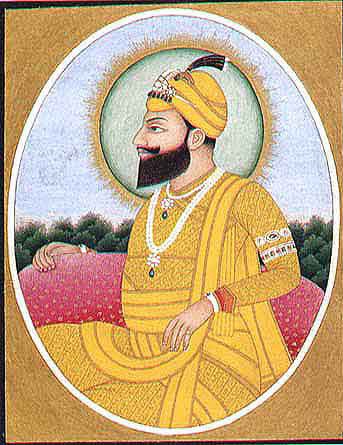
Maharaja Amar Singh (born 1748, ruled 1765–1781) was the son of Baba Ala Singh and the first ruler of Patiala to officially bear the title “Maharaja”. Upon the death of his father in 1765, Amar Singh took the throne during a turbulent era marked by Sikh Misl rivalries and the decline of the Mughal Empire.
🔹 Establishing Stability:
Building upon the foundation laid by his father, Amar Singh worked to strengthen Patiala’s internal governance, organizing administrative departments, building fortifications, and formalizing state policies. He emerged as a wise, pragmatic, and balanced leader who solidified Patiala’s sovereignty.
It was during his rule that Patiala first established diplomatic contact with the British, which later became a cornerstone of the state’s long-term strategy.
🔹 The Title of “Maharaja”:
A historic milestone was reached under Amar Singh — he became the first Patiala ruler to receive the title “Maharaja”. This wasn’t just a change in designation; it marked Patiala’s elevation to full princely status, both politically and symbolically.
🔹 Religious Commitment:
Amar Singh was a deeply religious Sikh, known for his humility and dedication to public service. He commissioned the construction and restoration of Gurdwaras and sacred sites, upholding Gurmat values and cultural traditions.
🔹 His Legacy:
- Consolidated Patiala as a stable, independent Sikh state
- First to hold the title “Maharaja”
- Initiated Patiala’s diplomatic engagement with the British
- Strengthened both religious institutions and civil administration
He passed away in 1781, but remains a cornerstone of Patiala’s early rise and princely identity.
3. ਮਹਾਰਾਜਾ ਸਾਹਿਬ ਸਿੰਘ – ਬਚਪਨ ਵਿੱਚ ਰਾਜ, ਸਿਆਣਪ ਨਾਲ ਸੰਸਥਾ
Maharaja Sahib Singh – A Child Ruler Who Strengthened the State
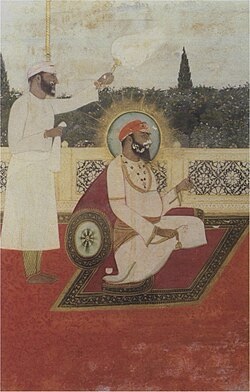
ਮਹਾਰਾਜਾ ਸਾਹਿਬ ਸਿੰਘ (ਜਨਮ: 1773, ਰਾਜਕਾਲ: 1781–1813) ਮਹਾਰਾਜਾ ਅਮਰ ਸਿੰਘ ਦੇ ਪੁੱਤਰ ਸਨ। ਜਦੋਂ ਉਨ੍ਹਾਂ ਦੇ ਪਿਤਾ ਦੀ 1781 ਵਿੱਚ ਮੌਤ ਹੋਈ, ਤਦ ਸਾਹਿਬ ਸਿੰਘ ਸਿਰਫ 8 ਸਾਲਾਂ ਦੇ ਸਨ। ਇਸ ਲਈ, ਉਨ੍ਹਾਂ ਦੀ ਰਾਜਗੱਦੀ ਦੇ ਪਹਿਲੇ ਕੁਝ ਸਾਲ ਰਜਿਸਟੈਂਸੀ (regency) ਦੇ ਤਹਿਤ ਚਲਾਈ ਗਈ — ਰਾਜ ਦੀ ਵਾਸਤਵਿਕ ਵਾਗ ਡੋਰ ਅਧਿਕਾਰਤ ਨਿਯੁਕਤ ਸਰਦਾਰਾਂ ਦੇ ਹੱਥ ਵਿੱਚ ਸੀ।
🔹 ਰਾਜਨੀਤਿਕ ਚੁਣੌਤੀਆਂ:
ਇਹ ਸਮਾਂ ਪੰਜਾਬ ਅਤੇ ਉੱਤਰੀ ਭਾਰਤ ਲਈ ਬਹੁਤ ਉਥਲ-ਪੁਥਲ ਭਰਿਆ ਸੀ — ਇੱਕ ਪਾਸੇ ਮਹਾਰਾਜਾ ਰਣਜੀਤ ਸਿੰਘ ਦੀ ਤਾਕਤ ਵਧ ਰਹੀ ਸੀ, ਦੂਜੇ ਪਾਸੇ ਅਫ਼ਗਾਨ ਅਤੇ ਮਰਾਠਾ ਹਮਲੇ ਹੋ ਰਹੇ ਸਨ। ਇਨ੍ਹਾਂ ਹਾਲਾਤਾਂ ‘ਚ ਸਹਿਬ ਸਿੰਘ ਨੇ ਬਹੁਤ ਸੰਭਲ ਕੇ ਰਾਜਕਾਜ ਚਲਾਇਆ।
ਉਨ੍ਹਾਂ ਨੇ ਕਈ ਸਿਆਣੇ ਮੰਤਰੀ, ਜਿਵੇਂ ਕਿ ਦੇਸਾ ਸਿੰਘ ਮਜੀਠੀਆ, ਨੂੰ ਅਪਣਾਇਆ, ਜਿਨ੍ਹਾਂ ਨੇ ਨੈਤਿਕਤਾ ਅਤੇ ਨਿਯਮ ਨਾਲ ਰਾਜ ਚਲਾਇਆ।
🔹 ਅੰਗਰੇਜ਼ੀ ਰਾਜ ਨਾਲ ਨੇੜਤਾ:
ਸਹਿਬ ਸਿੰਘ ਦੇ ਰਾਜ ਦੌਰਾਨ ਪਟਿਆਲਾ ਨੇ ਬ੍ਰਿਟਿਸ਼ ਸਰਕਾਰ ਨਾਲ ਰਾਜਨੀਤਿਕ ਨਜ਼ਦੀਕੀਆਂ ਵਧਾਈਆਂ। ਇਹ ਉਨ੍ਹਾਂ ਦੇ ਰਾਜ ਦੀ ਇੱਕ ਮਹੱਤਵਪੂਰਨ ਰਣਨੀਤਿਕ ਚਾਲ ਸੀ, ਜਿਸ ਕਾਰਨ ਪਟਿਆਲਾ ਨੂੰ ਬਾਅਦ ਵਿੱਚ ਵੀ ਬ੍ਰਿਟਿਸ਼ ਰਾਜ ਵਿੱਚ ਇੱਕ ਵਿਸ਼ਵਾਸਯੋਗ ਰਾਜ ਮੰਨਿਆ ਗਿਆ।
🔹 ਧਾਰਮਿਕ ਅਤੇ ਲੋਕਸੇਵਾ:
ਉਹ ਸਿੱਖ ਧਰਮ ਦੇ ਪ੍ਰਚਾਰਕ ਸਨ ਅਤੇ ਆਪਣੇ ਰਾਜ ਵਿੱਚ ਗੁਰਦੁਆਰਿਆਂ ਅਤੇ ਧਾਰਮਿਕ ਕੇਂਦਰਾਂ ਦੀ ਸੰਭਾਲ ਲਈ ਖਾਸ ਧਿਆਨ ਦਿੰਦੇ ਰਹੇ। ਸਿੱਖ ਸੰਸਕਾਰਾਂ ਦੀ ਰਾਖੀ ਅਤੇ ਵਿੱਦਿਆ ਦਾ ਉਤਸ਼ਾਹ ਉਨ੍ਹਾਂ ਦੇ ਰਾਜਕਾਲ ਦੀ ਵਿਸ਼ੇਸ਼ਤਾ ਸੀ।
🔹 ਉਨ੍ਹਾਂ ਦੀ ਵਿਰਾਸਤ:
- ਬਚਪਨ ਵਿੱਚ ਰਾਜ ਸਾਂਭ ਕੇ ਨਿਰਭਰਤਾਪੂਰਨ ਆਤਮਵਿਸ਼ਵਾਸ ਨਾਲ ਚਲਾਇਆ।
- ਨੈਤਿਕ ਰਾਜਨੀਤੀ ਅਤੇ ਸਿਆਣੀ ਕੂਟਨੀਤਿਕੀ ਰਾਹੀਂ ਪਟਿਆਲਾ ਦੀ ਸਥਿਰਤਾ ਬਣਾਈ।
- ਬ੍ਰਿਟਿਸ਼ ਰਾਜ ਨਾਲ ਸੰਬੰਧ ਬਣਾਉਣ ਵਾਲੇ ਪਹਿਲੇ ਪੂਰਨ ਰਾਜਕਾਲੀ ਮਹਾਰਾਜਾ ਬਣੇ।
- ਗੁਰਮਤਿ ਰੀਤਾਂ ਅਤੇ ਲੋਕਸੇਵਾ ਲਈ ਯੋਗਦਾਨ ਦਿੱਤਾ।
ਮਹਾਰਾਜਾ ਸਹਿਬ ਸਿੰਘ ਦੀ ਮੌਤ 1813 ਵਿੱਚ ਹੋਈ। ਉਨ੍ਹਾਂ ਦੇ ਰਾਜ ਦੌਰਾਨ ਪਟਿਆਲਾ ਨੇ ਇਕ ਚੋਟੀ ਦੇ ਸਿੱਖ ਰਾਜ ਵਜੋਂ ਆਪਣੀ ਪਛਾਣ ਮਜ਼ਬੂਤ ਕੀਤੀ।

Maharaja Sahib Singh (born 1773, ruled 1781–1813) was the son of Maharaja Amar Singh. Upon his father’s death in 1781, Sahib Singh was just 8 years old, so the early years of his reign were conducted under a regency, governed by appointed officials on his behalf.
🔹 A Time of Political Upheaval:
Sahib Singh’s rule coincided with a highly unstable period — the rise of Maharaja Ranjit Singh, and invasions by Afghans and Marathas in North India. He navigated these challenges wisely, relying on able administrators like Desa Singh Majithia, who maintained rule with morality and order.
🔹 Strengthening Ties with the British:
During Sahib Singh’s reign, Patiala grew significantly closer to the British. This was a calculated political move that later secured Patiala’s role as one of the most trusted princely states under the British Crown.
🔹 Religious and Social Service:
He remained a devout Sikh ruler, supporting Gurdwaras, community institutions, and education. His reign was marked by a deep commitment to Sikh values and public welfare.
🔹 His Legacy:
- Held power as a child and matured into a steady, confident ruler.
- Promoted wise governance and moral leadership.
- First full-fledged Maharaja to forge close ties with the British Raj.
- Upheld Sikh religious traditions and community service.
He passed away in 1813, but left behind a strong, stable, and respected Patiala Riyasat in the Sikh and colonial world alike.
4. ਮਹਾਰਾਜਾ ਕਰਮ ਸਿੰਘ – ਪਟਿਆਲਾ ਦੀ ਅਖੰਡਤਾ ਦਾ ਰਾਖਾ
Maharaja Karam Singh – Defender of Patiala’s Autonomy
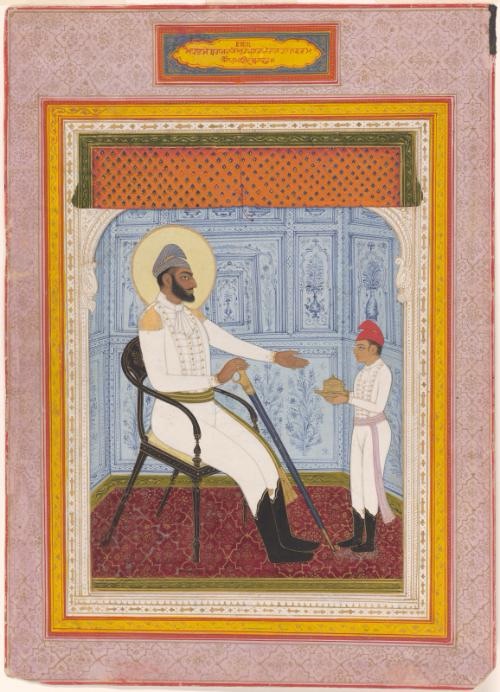
ਮਹਾਰਾਜਾ ਕਰਮ ਸਿੰਘ (ਜਨਮ: 1798, ਰਾਜਕਾਲ: 1813–1845) ਮਹਾਰਾਜਾ ਸਹਿਬ ਸਿੰਘ ਦੇ ਪੁੱਤਰ ਸਨ। ਉਹ ਸਿਰਫ਼ 15 ਸਾਲਾਂ ਦੇ ਸਨ ਜਦ ਉਹ 1813 ਵਿੱਚ ਪਟਿਆਲਾ ਰਾਜਗੱਦੀ ‘ਤੇ ਬੈਠੇ। ਉਨ੍ਹਾਂ ਦੇ ਰਾਜਕਾਲ ਦੌਰਾਨ ਪੰਜਾਬ ਵਿੱਚ ਸਭ ਤੋਂ ਵੱਡਾ ਸੰਕਟ ਮਹਾਰਾਜਾ ਰਣਜੀਤ ਸਿੰਘ ਦੀ ਵਧ ਰਹੀ ਤਾਕਤ ਸੀ, ਜੋ ਲਾਹੌਰ ਤੋਂ ਲੈ ਕੇ ਕਸ਼ਮੀਰ, ਪੇਸ਼ਾਵਰ ਤੱਕ ਆਪਣਾ ਰਾਜ ਫੈਲਾ ਰਹੇ ਸਨ।
🔹 ਆਤਮ ਨਿਰਭਰਤਾ ਅਤੇ ਸਿਆਣਪ:
ਮਹਾਰਾਜਾ ਕਰਮ ਸਿੰਘ ਨੇ ਇਕ ਸਿਆਣੇ ਅਤੇ ਰਣਨੀਤਿਕ ਰਾਜੇ ਵਜੋਂ ਰਾਜ ਕੀਤਾ। ਉਨ੍ਹਾਂ ਨੇ ਪਟਿਆਲਾ ਨੂੰ ਰਣਜੀਤ ਸਿੰਘ ਦੇ ਸਿੱਖ ਸਾਮਰਾਜ ਤੋਂ ਬਚਾ ਕੇ, ਉਸਦੀ ਵਿਸ਼ੇਸ਼ਤਾ ਕਾਇਮ ਰੱਖੀ। ਇਸ ਲਈ ਉਨ੍ਹਾਂ ਨੇ ਅੰਗਰੇਜ਼ੀ ਰਾਜ ਨਾਲ ਨਜ਼ਦੀਕੀਆਂ ਵਧਾ ਕੇ ਰਾਜ ਦੀ ਅਖੰਡਤਾ ਦੀ ਰਾਖੀ ਕੀਤੀ।
🔹 ਬ੍ਰਿਟਿਸ਼ ਨਾਲ ਸੰਬੰਧਾਂ ਦੀ ਮਜ਼ਬੂਤੀ:
ਉਨ੍ਹਾਂ ਨੇ East India Company ਨਾਲ ਰਾਜਨੀਤਿਕ ਸਮਝੌਤੇ ਕੀਤੇ, ਜਿਸ ਕਾਰਨ ਪਟਿਆਲਾ ਬ੍ਰਿਟਿਸ਼ ਰਾਖੀ ਵਾਲੀ ਰਿਆਸਤ ਬਣੀ। ਇਹ ਉਹ ਸਮਾਂ ਸੀ ਜਦ ਬਹੁਤ ਸਾਰੀਆਂ ਰਿਆਸਤਾਂ ਰਣਜੀਤ ਸਿੰਘ ਦੇ ਰਾਜ ਵਿੱਚ ਮਿਲ ਰਹੀਆਂ ਸਨ — ਪਰ ਪਟਿਆਲਾ ਅਲੱਗ ਰਿਹਾ।
🔹 ਪ੍ਰਬੰਧਕੀ ਤੇ ਧਾਰਮਿਕ ਯੋਗਦਾਨ:
ਮਹਾਰਾਜਾ ਕਰਮ ਸਿੰਘ ਨੇ ਪਟਿਆਲਾ ਦੀ ਪੱਧਤੀ, ਮਾਲੀਏ ਦੀ ਵਿਵਸਥਾ, ਅਤੇ ਸਿੱਖ ਗੁਰਮਤਿ ਸੰਸਕਾਰਾਂ ਦੀ ਰਾਖੀ ਲਈ ਵਿਸ਼ੇਸ਼ ਯਤਨ ਕੀਤੇ। ਉਹ ਗੁਰੂ ਸਾਹਿਬਾਂ ਦੀ ਬਾਣੀ ਨੂੰ ਆਪਣੀ ਰਾਜਨੀਤਿਕ ਰਣਨੀਤੀ ਨਾਲ ਜੋੜ ਕੇ ਚਲਦੇ ਸਨ।
🔹 ਉਨ੍ਹਾਂ ਦੀ ਵਿਰਾਸਤ:
- ਰਣਜੀਤ ਸਿੰਘ ਦੀ ਫ਼ਤਹੀ ਲਹਿਰ ਤੋਂ ਪਟਿਆਲਾ ਨੂੰ ਬਚਾ ਕੇ ਰਾਜ ਦੀ ਅਖੰਡਤਾ ਕਾਇਮ ਰੱਖੀ।
- ਬ੍ਰਿਟਿਸ਼ ਨਾਲ ਰਾਜਸੀ ਰਿਸ਼ਤਿਆਂ ਨੂੰ ਪ੍ਰਗਾਢ ਕੀਤਾ।
- ਧਾਰਮਿਕਤਾ, ਗੁਰਦੁਆਰਿਆਂ ਅਤੇ ਸਿੱਖ ਸੱਭਿਆਚਾਰ ਦੀ ਰਾਖੀ।
- ਪ੍ਰਬੰਧਕੀ ਅਤੇ ਆਰਥਿਕ ਨਵੀਨੀਕਰਨ ਦੀ ਸ਼ੁਰੂਆਤ।
ਉਨ੍ਹਾਂ ਦੀ ਮੌਤ 1845 ਵਿੱਚ ਹੋਈ, ਪਰ ਉਨ੍ਹਾਂ ਨੇ ਪਟਿਆਲਾ ਨੂੰ ਸੰਕਟਾਂ ਦੇ ਦੌਰ ਵਿੱਚ ਰੱਖਿਆ ਦੇਣ ਵਾਲਾ ਰਾਜਾ ਸਾਬਤ ਕੀਤਾ।
Maharaja Karam Singh (born 1798, ruled 1813–1845) was the son of Maharaja Sahib Singh. He ascended the throne at the young age of 15, during a highly charged political climate in Punjab. The biggest challenge of his reign was Maharaja Ranjit Singh, who was rapidly expanding the Sikh Empire from Lahore to Kashmir and Peshawar.
🔹 Political Wisdom and Autonomy:
Karam Singh is remembered as a strategic and diplomatic ruler. He preserved Patiala’s independence by avoiding absorption into Ranjit Singh’s empire. To do this, he strengthened ties with the British, ensuring Patiala’s sovereignty.
🔹 Alignment with the British:
Under his leadership, Patiala entered formal agreements with the East India Company, becoming a protected princely state. While many smaller states were being annexed into the Lahore Darbar, Patiala stood firm as an independent ally of the British.
🔹 Administration and Sikh Culture:
Karam Singh introduced reforms in employment systems, revenue collection, and placed a strong emphasis on Sikh religious values. His governance style was deeply influenced by Gurbani and Gurmat principles, making him a respected figure among religious scholars and the general public alike.
🔹 His Legacy:
- Defended Patiala’s independence from Ranjit Singh’s expanding empire.
- Cemented strong political ties with the British for long-term survival.
- Patronized Sikh institutions, Gurdwaras, and traditional values.
- Initiated economic and bureaucratic reforms.
He passed away in 1845, but remains known as the guardian of Patiala’s autonomy during one of the most critical chapters in Punjab’s history.
5. ਮਹਾਰਾਜਾ ਨਰਿੰਦਰ ਸਿੰਘ (1824–1862)
ਜਨਮ ਅਤੇ ਪਰਿਵਾਰਕ ਪਿਛੋਕੜ:
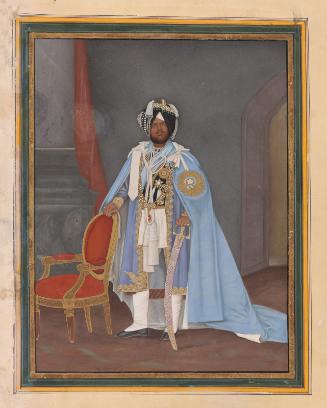
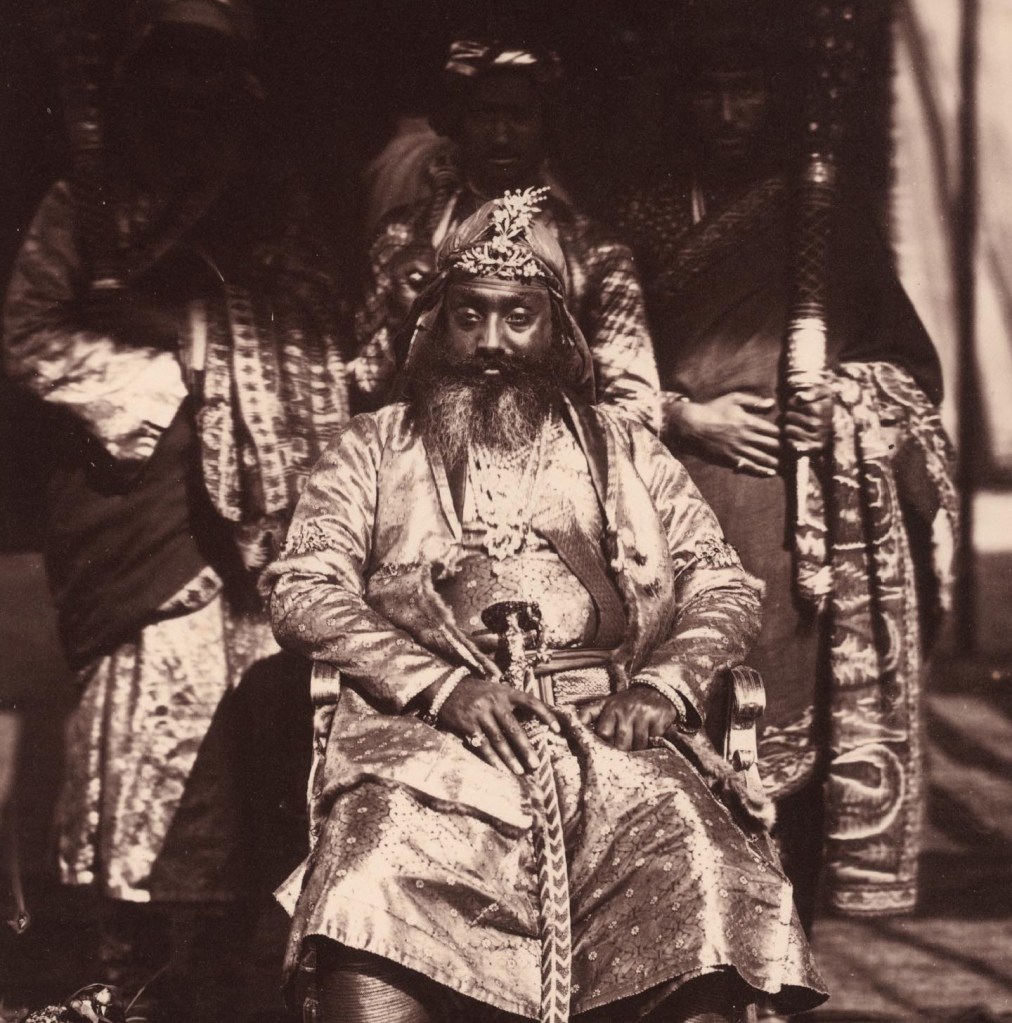
ਮਹਾਰਾਜਾ ਨਰਿੰਦਰ ਸਿੰਘ ਦਾ ਜਨਮ 26 ਨਵੰਬਰ 1824 ਨੂੰ ਪਟਿਆਲਾ ਵਿੱਚ ਹੋਇਆ ਸੀ। ਉਹ ਮਹਾਰਾਜਾ ਕਰਮ ਸਿੰਘ ਦੇ ਪੁੱਤਰ ਸਨ ਅਤੇ ਫੁਲਕੀਆਂ ਵੰਸ਼ ਨਾਲ ਸੰਬੰਧਤ ਸਨ। ਉਹ 18 ਜਨਵਰੀ 1846 ਨੂੰ 23 ਸਾਲ ਦੀ ਉਮਰ ਵਿੱਚ ਪਟਿਆਲਾ ਰਾਜ ਦੇ ਮਹਾਰਾਜਾ ਬਣੇ।
ਬ੍ਰਿਟਿਸ਼ ਰਾਜ ਨਾਲ ਸਬੰਧ:
ਉਹ ਪਹਿਲੇ ਅੰਗਰੇਜ਼ੀ ਭਾਰਤ ਵਿੱਚ ਸਥਾਪਿਤ ਹੋਏ “Order of the Star of India” ਦੇ ਪ੍ਰਾਪਤਕਰਤਾ ਸਨ। ਉਹ 1862 ਵਿੱਚ ਵਾਇਸਰਾਏ ਦੀ ਵਿਧਾਨਕ ਕੌਂਸਲ ਦੇ ਮੈਂਬਰ ਬਣੇ।
ਸਮਾਜਿਕ ਸੁਧਾਰ ਅਤੇ ਨਿਰਮਾਣ ਕਾਰਜ:
- ਉਹਨਾਂ ਨੇ ਸਤੀ ਪ੍ਰਥਾ, ਭਰੂਣ ਹੱਤਿਆ ਅਤੇ ਗੁਲਾਮੀ ਵਰਗੀਆਂ ਕੁਰਿਤੀਆਂ ਨੂੰ ਰੋਕਣ ਲਈ ਕਦਮ ਚੁੱਕੇ।
- 1847 ਵਿੱਚ, ਉਨ੍ਹਾਂ ਨੇ ਮੋਤੀ ਬਾਗ ਮਹਲ ਦੀ ਨਿਰਮਾਣ ਸ਼ੁਰੂਆਤ ਕੀਤੀ, ਜਿਸ ਦੀ ਲਾਗਤ ਪੰਜ ਲੱਖ ਰੁਪਏ ਸੀ।
- ਉਹਨਾਂ ਨੇ ਗੁਰੂ ਤੇਗ ਬਹਾਦਰ ਜੀ ਦੀ ਯਾਦ ਵਿੱਚ ਮੋਤੀ ਬਾਗ ਮਹਿਲ ਦੇ ਬਾਹਰ ਗੁਰਦੁਆਰਾ ਬਣਾਇਆ।
ਮੌਤ:
ਉਹਨਾਂ ਦੀ ਮੌਤ 13 ਨਵੰਬਰ 1862 ਨੂੰ ਹੋਈ। ਉਹਨਾਂ ਦੇ ਪੁੱਤਰ, ਮਹਿੰਦਰ ਸਿੰਘ, ਉਨ੍ਹਾਂ ਦੇ ਉਤਰਾਧਿਕਾਰੀ ਬਣੇ।

Birth and Family Background:
Maharaja Narinder Singh was born on 26 November 1824 in Patiala. He was the son of Maharaja Karam Singh and belonged to the Phulkian dynasty. He ascended the throne of Patiala on 18 January 1846 at the age of 23.
Relations with British Rule:
He was among the first Indian princes to receive the “Order of the Star of India”. In 1862, he became a member of the Viceroy’s Legislative Council.
Social Reforms and Constructions:
- He took steps to abolish practices like sati, infanticide, and slavery.
- In 1847, he initiated the construction of the Moti Bagh Palace, costing five lakh rupees.
- He built a Gurdwara outside the Moti Bagh Palace in memory of Guru Tegh Bahadur Ji.
Demise:
He passed away on 13 November 1862. His son, Mahendra Singh, succeeded him as Maharaja.
6. ਮਹਾਰਾਜਾ ਮਹਿੰਦਰ ਸਿੰਘ (1852–1876)
ਜਨਮ ਅਤੇ ਪਰਿਵਾਰਕ ਪਿਛੋਕੜ:
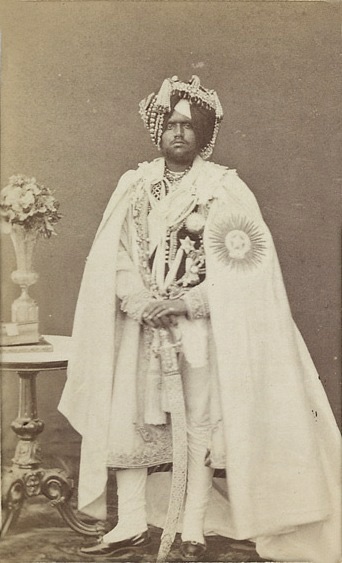
ਮਹਾਰਾਜਾ ਮਹਿੰਦਰ ਸਿੰਘ ਦਾ ਜਨਮ 16 ਸਤੰਬਰ 1852 ਨੂੰ ਪਟਿਆਲਾ ਵਿੱਚ ਹੋਇਆ ਸੀ। ਉਹ ਮਹਾਰਾਜਾ ਨਰਿੰਦਰ ਸਿੰਘ ਦੇ ਪੁੱਤਰ ਸਨ ਅਤੇ ਫੁਲਕੀਆਂ ਵੰਸ਼ ਨਾਲ ਸੰਬੰਧਤ ਸਨ।
ਗੱਦੀ ਸੰਭਾਲਣਾ:
ਉਹ 29 ਜਨਵਰੀ 1862 ਨੂੰ ਸਿਰਫ਼ 10 ਸਾਲ ਦੀ ਉਮਰ ਵਿੱਚ ਪਟਿਆਲਾ ਰਾਜ ਦੇ ਮਹਾਰਾਜਾ ਬਣੇ। ਉਸ ਸਮੇਂ ਤੱਕ, ਰਾਜ ਦੀ ਪ੍ਰਸ਼ਾਸਕੀ ਜ਼ਿੰਮੇਵਾਰੀ ਰੀਜੈਂਸੀ ਕੌਂਸਲ ਨੇ ਸੰਭਾਲੀ। 26 ਫਰਵਰੀ 1870 ਨੂੰ, ਉਨ੍ਹਾਂ ਨੂੰ ਪੂਰੇ ਰਾਜਸੀ ਅਧਿਕਾਰ ਮਿਲੇ।
ਸਿੱਖਿਆ ਅਤੇ ਰੁਚੀਆਂ:
ਉਹਨਾਂ ਦੀ ਸਿੱਖਿਆ ਦਿੱਲੀ ਦੇ ਪ੍ਰਸਿੱਧ ਗਣਿਤਗਿਆਨੀ ਰਾਮ ਚੰਦਰ ਦੁਆਰਾ ਕਰਵਾਈ ਗਈ। ਉਹ ਆਪਣੀ ਲਾਈਨ ਵਿੱਚ ਪਹਿਲੇ ਸਨ ਜਿਨ੍ਹਾਂ ਨੇ ਅੰਗਰੇਜ਼ੀ ਭਾਸ਼ਾ ਸਿੱਖੀ।
ਯੋਗਦਾਨ ਅਤੇ ਉਪਲਬਧੀਆਂ:
- ਉਹਨਾਂ ਨੇ ਸਰਹਿੰਦ ਕੈਨਾਲ ਪ੍ਰੋਜੈਕਟ ਵਿੱਚ ₹1.15 ਕਰੋੜ ਰੁਪਏ ਦਾ ਯੋਗਦਾਨ ਦਿੱਤਾ।
- ਉਹਨਾਂ ਨੇ ਲਾਹੌਰ ਯੂਨੀਵਰਸਿਟੀ ਕਾਲਜ ਨੂੰ ₹70,000 ਰੁਪਏ ਦਾਨ ਕੀਤੇ।
- 1873–74 ਦੇ ਬਿਹਾਰ ਅਕਾਲ ਦੌਰਾਨ, ਉਨ੍ਹਾਂ ਨੇ ਭਾਰਤੀ ਸਰਕਾਰ ਨੂੰ ₹10 ਲੱਖ ਰੁਪਏ ਦੀ ਮਦਦ ਦਿੱਤੀ।
- ਉਹਨਾਂ ਨੇ 1875 ਵਿੱਚ ਮਹਿੰਦਰਾ ਕਾਲਜ ਦੀ ਸਥਾਪਨਾ ਕੀਤੀ, ਜੋ ਕਿ ਦਿੱਲੀ ਤੋਂ ਲਾਹੌਰ ਤੱਕ ਦੇ ਖੇਤਰ ਵਿੱਚ ਇੱਕਮਾਤਰ ਕਾਲਜ ਸੀ।
- ਉਹਨਾਂ ਦੇ ਰਾਜ ਦੌਰਾਨ, ਪਟਿਆਲਾ ਅਤੇ ਅੰਬਾਲਾ ਦਰਮਿਆਨ ਟੈਲੀਗ੍ਰਾਫ ਲਾਈਨ ਬਣਾਈ ਗਈ।
ਨਿੱਜੀ ਜੀਵਨ ਅਤੇ ਮੌਤ:
ਉਹਨਾਂ ਦੀ ਮੌਤ 13 ਅਪ੍ਰੈਲ 1876 ਨੂੰ ਹੋਈ। ਉਨ੍ਹਾਂ ਦੇ ਪੁੱਤਰ ਰਾਜਿੰਦਰ ਸਿੰਘ ਨੇ ਉਨ੍ਹਾਂ ਦੀ ਗੱਦੀ ਸੰਭਾਲੀ।
Birth and Family Background:
Maharaja Mahendra Singh was born on September 16, 1852, in Patiala. He was the son of Maharaja Narinder Singh and belonged to the Phulkian Dynasty.
Ascension to the Throne:
He ascended the throne of Patiala on January 29, 1862, at the age of ten. A Council of Regency managed the state’s affairs until he came of age. On February 26, 1870, he was vested with full administrative powers.
Education and Interests:
His education was overseen by Ram Chandra, a renowned mathematician from Delhi. He was the first in his lineage to learn English.
Contributions and Achievements:
- He contributed ₹1.15 crore to the Sirhind Canal project.
- Donated ₹70,000 to University College, Lahore.
- During the Bihar famine of 1873–74, he donated ₹10 lakh to the British Raj government to aid famine-stricken people.
- Established Mohindra College in 1875, which was the only college between Delhi and Lahore at the time.
- A telegraph line between Patiala and Ambala was constructed during his reign.
Demise:
He passed away on April 13, 1876. His son, Rajinder Singh, succeeded him as Maharaja.
7. ਮਹਾਰਾਜਾ ਰਾਜਿੰਦਰ ਸਿੰਘ ਪਟਿਆਲਾ (1872–1900)
ਜਨਮ ਅਤੇ ਪਰਿਵਾਰਕ ਪਿਛੋਕੜ:
ਮਹਾਰਾਜਾ ਰਾਜਿੰਦਰ ਸਿੰਘ ਦਾ ਜਨਮ 25 ਮਈ 1872 ਨੂੰ ਪਟਿਆਲਾ ਵਿੱਚ ਹੋਇਆ ਸੀ। ਉਹ ਮਹਾਰਾਜਾ ਮਹਿੰਦਰ ਸਿੰਘ ਦੇ ਪੁੱਤਰ ਸਨ ਅਤੇ ਫੁਲਕੀਆਂ ਵੰਸ਼ ਨਾਲ ਸੰਬੰਧਤ ਸਨ।
ਗੱਦੀ ਸੰਭਾਲਣਾ:
ਉਹ ਆਪਣੇ ਪਿਤਾ ਦੀ ਮੌਤ ਤੋਂ ਬਾਅਦ 1876 ਵਿੱਚ ਪਟਿਆਲਾ ਰਾਜ ਦੇ ਮਹਾਰਾਜਾ ਬਣੇ। ਉਹ ਸਿਰਫ਼ ਚਾਰ ਸਾਲ ਦੇ ਸਨ ਜਦੋਂ ਉਨ੍ਹਾਂ ਨੇ ਗੱਦੀ ਸੰਭਾਲੀ।
ਸਿੱਖਿਆ ਅਤੇ ਰੁਚੀਆਂ:
ਮਹਾਰਾਜਾ ਰਾਜਿੰਦਰ ਸਿੰਘ ਨੇ ਕੈਂਬ੍ਰਿਜ ਯੂਨੀਵਰਸਿਟੀ ਵਿੱਚ ਸਿੱਖਿਆ ਪ੍ਰਾਪਤ ਕੀਤੀ। ਉਹ ਪੋਲੋ, ਕ੍ਰਿਕਟ ਅਤੇ ਹਾਕੀ ਦੇ ਉਤਸ਼ਾਹੀ ਖਿਡਾਰੀ ਸਨ।

ਯੋਗਦਾਨ ਅਤੇ ਉਪਲਬਧੀਆਂ:
- ਉਹ ਭਾਰਤ ਦੇ ਪਹਿਲੇ ਰਾਜਾ ਸਨ ਜਿਨ੍ਹਾਂ ਨੇ 1892 ਵਿੱਚ ਫਰਾਂਸੀਸੀ ਕਾਰ De Dion-Bouton ਖਰੀਦੀ।
- ਉਨ੍ਹਾਂ ਨੇ ਚੀਨ ਨੂੰ ਇੱਕ ਹਸਪਤਾਲ ਜਹਾਜ਼ ਭੇਜਿਆ।
- ਉਹ ਖਾਲਸਾ ਕਾਲਜ, ਅੰਮ੍ਰਿਤਸਰ ਦੀ ਸਥਾਪਨਾ ਵਿੱਚ ਯੋਗਦਾਨੀ ਸਨ ਅਤੇ ਉਨ੍ਹਾਂ ਨੇ 1.5 ਲੱਖ ਰੁਪਏ ਦਾਨ ਕੀਤੇ।
- ਉਹਨਾਂ ਨੇ 1897 ਵਿੱਚ ‘Grand Cross of the Star of India’ ਸਨਮਾਨ ਪ੍ਰਾਪਤ ਕੀਤਾ।
ਨਿੱਜੀ ਜੀਵਨ:
ਉਹਨਾਂ ਦੀ ਪਹਿਲੀ ਪਤਨੀ ਜਸਮੇਰ ਕੌਰ ਮਾਨਸ਼ਾਹੀਆ ਸੀ। 1893 ਵਿੱਚ, ਉਨ੍ਹਾਂ ਨੇ ਆਇਰਿਸ਼ ਮਹਿਲਾ ਫਲੋਰੈਂਸ ਬ੍ਰਾਇਨ ਨਾਲ ਵਿਆਹ ਕੀਤਾ।
ਮੌਤ:
ਉਹਨਾਂ ਦੀ ਮੌਤ 8 ਨਵੰਬਰ 1900 ਨੂੰ 28 ਸਾਲ ਦੀ ਉਮਰ ਵਿੱਚ ਹੋਈ। ਉਨ੍ਹਾਂ ਦੇ ਪੁੱਤਰ ਭੁਪਿੰਦਰ ਸਿੰਘ ਨੇ ਉਨ੍ਹਾਂ ਦੀ ਗੱਦੀ ਸੰਭਾਲੀ।

Birth and Family Background:
Maharaja Rajinder Singh was born on May 25, 1872, in Patiala. He was the son of Maharaja Mahendra Singh and belonged to the Phulkian Dynasty.
Ascension to the Throne:
He became the Maharaja of Patiala in 1876 after the death of his father. He was only four years old when he ascended the throne.
Education and Interests:
Maharaja Rajinder Singh was educated at Cambridge University. He was an enthusiastic player of polo, cricket, and hockey.

Contributions and Achievements:
- He was the first Indian prince to own a car, purchasing a French De Dion-Bouton in 1892.
- He sent a hospital ship to China.
- He contributed to the establishment of Khalsa College, Amritsar, donating ₹1.5 lakh.
- He was awarded the ‘Grand Cross of the Star of India’ in 1897.
Personal Life:
His first wife was Jasmer Kaur Manshahia. In 1893, he married an Irish woman, Florence Bryan.
Demise:
He passed away on November 8, 1900, at the age of 28. His son, Bhupinder Singh, succeeded him as Maharaja.
8. ਮਹਾਰਾਜਾ ਭੁਪਿੰਦਰ ਸਿੰਘ ਪਟਿਆਲਾ (1891–1938)
ਜਨਮ ਅਤੇ ਪਰਿਵਾਰਕ ਪਿਛੋਕੜ:
ਮਹਾਰਾਜਾ ਭੁਪਿੰਦਰ ਸਿੰਘ ਦਾ ਜਨਮ 12 ਅਕਤੂਬਰ 1891 ਨੂੰ ਪਟਿਆਲਾ ਦੇ ਮੋਤੀ ਬਾਗ ਮਹਿਲ ਵਿੱਚ ਹੋਇਆ ਸੀ। ਉਹ ਮਹਾਰਾਜਾ ਰਜਿੰਦਰ ਸਿੰਘ ਦੇ ਪੁੱਤਰ ਸਨ। ਉਨ੍ਹਾਂ ਦੀ ਸਿੱਖਿਆ ਲਾਹੌਰ ਦੇ ਐਚਿਸਨ ਕਾਲਜ ਵਿੱਚ ਹੋਈ। ਉਨ੍ਹਾਂ ਨੇ 1900 ਵਿੱਚ ਆਪਣੇ ਪਿਤਾ ਦੀ ਮੌਤ ਤੋਂ ਬਾਅਦ 9 ਸਾਲ ਦੀ ਉਮਰ ਵਿੱਚ ਪਟਿਆਲਾ ਰਾਜ ਦੀ ਗੱਦੀ ਸੰਭਾਲੀ। ਉਨ੍ਹਾਂ ਨੂੰ 1910 ਵਿੱਚ ਪੂਰੇ ਰਾਜਸੀ ਅਧਿਕਾਰ ਮਿਲੇ।
ਰਾਜਸੀ ਜੀਵਨ:
ਉਨ੍ਹਾਂ ਨੇ ਆਪਣੇ ਰਾਜ ਦੌਰਾਨ ਕਈ ਪ੍ਰਸ਼ਾਸਕੀ ਅਤੇ ਆਧੁਨਿਕਤਾ ਦੇ ਉਪਰਾਲੇ ਕੀਤੇ। ਉਨ੍ਹਾਂ ਨੇ 1917 ਵਿੱਚ ਸਟੇਟ ਬੈਂਕ ਆਫ਼ ਪਟਿਆਲਾ ਦੀ ਸਥਾਪਨਾ ਕੀਤੀ।

ਸੈਨਾ ਅਤੇ ਦੂਤਾਵਾਸੀ ਸੇਵਾ:
ਉਨ੍ਹਾਂ ਨੇ ਪਹਿਲੇ ਵਿਸ਼ਵ ਯੁੱਧ ਦੌਰਾਨ ਫਰਾਂਸ, ਬੈਲਜੀਅਮ, ਇਟਲੀ ਅਤੇ ਪੈਲੇਸਟਾਈਨ ਵਿੱਚ ਸੇਵਾ ਨਿਭਾਈ। ਉਨ੍ਹਾਂ ਨੂੰ 1918 ਵਿੱਚ ਆਨਰੇਰੀ ਮੈਜਰ ਜਨਰਲ ਅਤੇ 1931 ਵਿੱਚ ਆਨਰੇਰੀ ਲੈਫਟਿਨੈਂਟ ਜਨਰਲ ਬਣਾਇਆ ਗਿਆ।
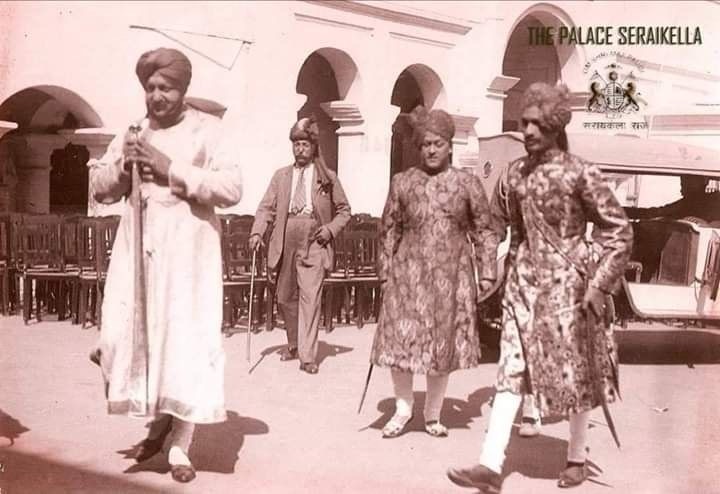
Sonkiya
ਖੇਡਾਂ ਵਿੱਚ ਯੋਗਦਾਨ:
ਉਨ੍ਹਾਂ ਨੇ 1911 ਵਿੱਚ ਇੰਗਲੈਂਡ ਦੀ ਯਾਤਰਾ ਕਰਨ ਵਾਲੀ ਭਾਰਤੀ ਕ੍ਰਿਕਟ ਟੀਮ ਦੀ ਕਪਤਾਨੀ ਕੀਤੀ। ਉਨ੍ਹਾਂ ਨੇ 27 ਫਰਸਟ ਕਲਾਸ ਮੈਚ ਖੇਡੇ।

ਵਿਲਾਸਤਾ ਅਤੇ ਆਧੁਨਿਕਤਾ:
ਉਨ੍ਹਾਂ ਨੇ 1925 ਵਿੱਚ ਕਾਰਟੀਅਰ ਨਾਲ ਮਿਲ ਕੇ ਪ੍ਰਸਿੱਧ ਪਟਿਆਲਾ ਨੈਕਲੇਸ ਬਣਵਾਇਆ, ਜੋ ਕਿ ਵਿਸ਼ਵ ਦੇ ਸਭ ਤੋਂ ਮਹਿੰਗੇ ਗਹਿਣਿਆਂ ਵਿੱਚੋਂ ਇੱਕ ਸੀ।
ਨਿੱਜੀ ਜੀਵਨ:
ਉਨ੍ਹਾਂ ਦੀ ਪਹਿਲੀ ਪਤਨੀ ਮਹਾਰਾਣੀ ਬਖਤਾਵਰ ਕੌਰ ਸੀ। ਉਨ੍ਹਾਂ ਦੇ ਕਈ ਹੋਰ ਪਤਨੀਆਂ ਅਤੇ ਰਖੇਲਾਂ ਸਨ, ਅਤੇ ਉਨ੍ਹਾਂ ਦੇ ਲਗਭਗ 88 ਬੱਚੇ ਹੋਏ।
ਮੌਤ:
ਉਨ੍ਹਾਂ ਦੀ ਮੌਤ 23 ਮਾਰਚ 1938 ਨੂੰ ਹੋਈ। ਉਨ੍ਹਾਂ ਦੇ ਪੁੱਤਰ ਯਾਦਵਿੰਦਰ ਸਿੰਘ ਨੇ ਉਨ੍ਹਾਂ ਦੀ ਗੱਦੀ ਸੰਭਾਲੀ।

Birth and Family Background:
Maharaja Bhupinder Singh was born on October 12, 1891, at Moti Bagh Palace in Patiala. He was the son of Maharaja Rajinder Singh. He received his education at Aitchison College in Lahore. He ascended the throne of Patiala State in 1900 at the age of 9, following his father’s death. He was granted full ruling powers in 1910.
Reign:
During his reign, he initiated several administrative and modernization efforts. In 1917, he established the State Bank of Patiala.
Military and Diplomatic Service:
He served during World War I in France, Belgium, Italy, and Palestine. He was appointed Honorary Major General in 1918 and Honorary Lieutenant General in 1931.
Contributions to Sports:
He captained the Indian cricket team that toured England in 1911. He played 27 first-class matches.
Opulence and Modernization:
In 1925, he collaborated with Cartier to create the renowned Patiala Necklace, one of the most expensive pieces of jewelry in the world.
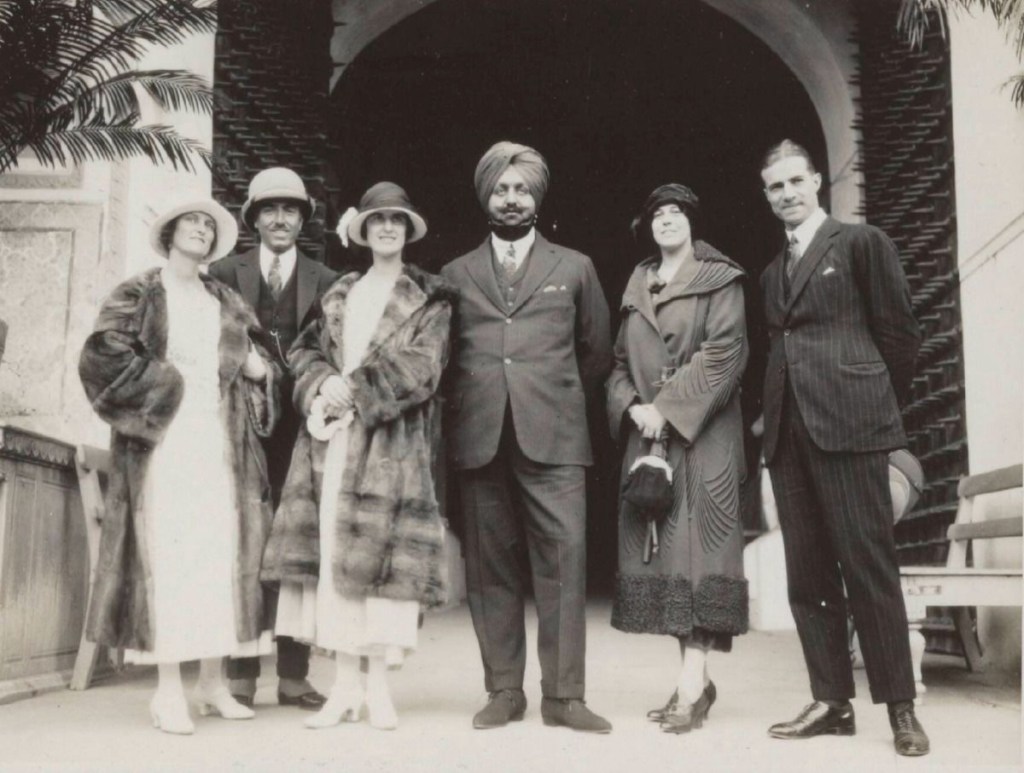
Personal Life:
His first wife was Maharani Bakhtawar Kaur. He had several other wives and concubines, and reportedly fathered around 88 children.
Demise:
He passed away on March 23, 1938. His son, Yadavindra Singh, succeeded him.
9. ਮਹਾਰਾਜਾ ਯਾਦਵਿੰਦਰ ਸਿੰਘ ਪਟਿਆਲਾ (1913–1974)
ਜਨਮ ਅਤੇ ਪਰਿਵਾਰਕ ਪਿਛੋਕੜ:
ਮਹਾਰਾਜਾ ਯਾਦਵਿੰਦਰ ਸਿੰਘ ਦਾ ਜਨਮ 7 ਜਨਵਰੀ 1913 ਨੂੰ ਪਟਿਆਲਾ ਰਾਜ ਵਿੱਚ ਹੋਇਆ। ਉਹ ਮਹਾਰਾਜਾ ਭੁਪਿੰਦਰ ਸਿੰਘ ਦੇ ਪੁੱਤਰ ਸਨ। ਉਨ੍ਹਾਂ ਦੀ ਮਾਤਾ ਦਾ ਨਾਮ ਬਖਤਾਵਰ ਕੌਰ ਸੀ।

ਸਿੱਖਿਆ:
ਉਨ੍ਹਾਂ ਨੇ ਆਪਣੀ ਸਿੱਖਿਆ ਲਾਹੌਰ ਦੇ ਐਚਿਸਨ ਕਾਲਜ ਤੋਂ ਪ੍ਰਾਪਤ ਕੀਤੀ।
ਰਾਜਸੀ ਜੀਵਨ:
ਉਨ੍ਹਾਂ ਨੇ 23 ਮਾਰਚ 1938 ਨੂੰ ਆਪਣੇ ਪਿਤਾ ਦੀ ਮੌਤ ਤੋਂ ਬਾਅਦ ਪਟਿਆਲਾ ਰਾਜ ਦੇ ਮਹਾਰਾਜਾ ਵਜੋਂ ਗੱਦੀ ਸੰਭਾਲੀ। 1947 ਵਿੱਚ ਭਾਰਤ ਦੀ ਆਜ਼ਾਦੀ ਤੋਂ ਬਾਅਦ, ਉਨ੍ਹਾਂ ਨੇ ਪਟਿਆਲਾ ਰਾਜ ਨੂੰ ਭਾਰਤ ਵਿੱਚ ਮਿਲਾਉਣ ਲਈ ਸਹਿਮਤੀ ਦਿੱਤੀ।
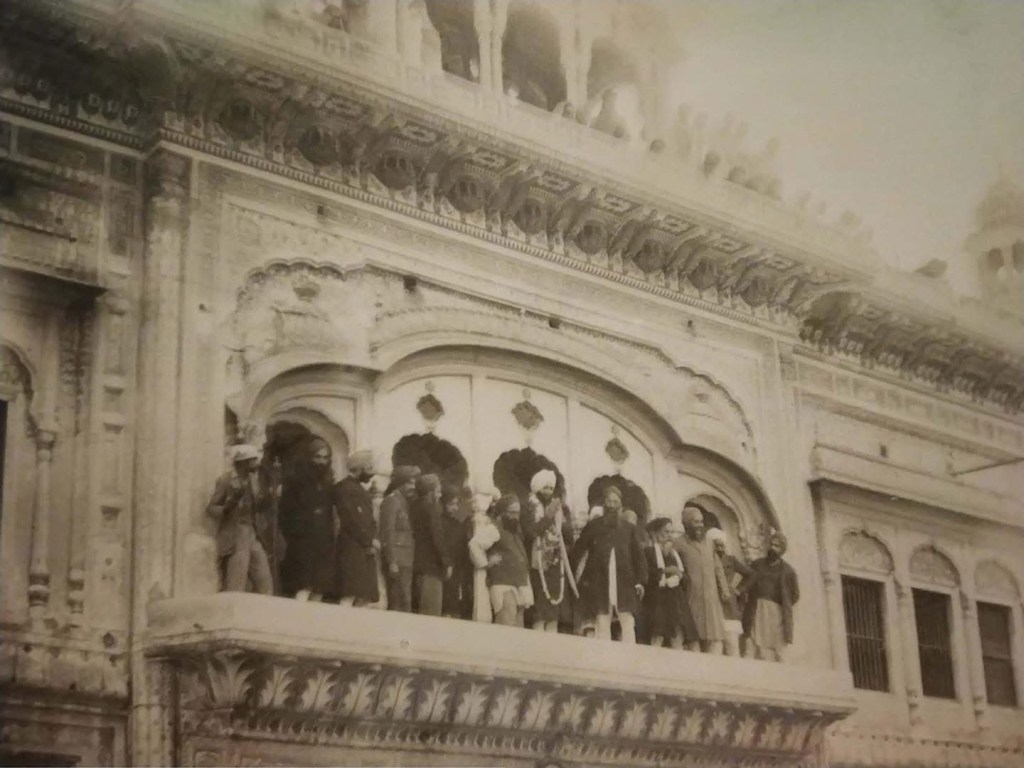
ਸੈਨਾ ਅਤੇ ਦੂਤਾਵਾਸੀ ਸੇਵਾ:
ਉਨ੍ਹਾਂ ਨੇ ਦੂਸਰੇ ਵਿਸ਼ਵ ਯੁੱਧ ਦੌਰਾਨ ਮਲਾਇਆ, ਇਟਲੀ ਅਤੇ ਬਰਮਾ ਵਿੱਚ ਸੇਵਾ ਨਿਭਾਈ। ਉਨ੍ਹਾਂ ਨੂੰ ਬ੍ਰਿਟਿਸ਼ ਸਰਕਾਰ ਵੱਲੋਂ ਨਾਈਟਹੂਡ ਨਾਲ ਸਨਮਾਨਿਤ ਕੀਤਾ ਗਿਆ।
ਉਨ੍ਹਾਂ ਨੇ 1965 ਤੋਂ 1966 ਤੱਕ ਇਟਲੀ ਵਿੱਚ ਅਤੇ 1971 ਤੋਂ 1974 ਤੱਕ ਨੀਦਰਲੈਂਡ ਵਿੱਚ ਭਾਰਤ ਦੇ ਰਾਜਦੂਤ ਵਜੋਂ ਸੇਵਾ ਕੀਤੀ।
ਖੇਡਾਂ ਅਤੇ ਸਿੱਖਿਆ ਵਿੱਚ ਯੋਗਦਾਨ:
ਉਨ੍ਹਾਂ ਨੇ 1934 ਵਿੱਚ ਭਾਰਤ ਵੱਲੋਂ ਇੱਕ ਟੈਸਟ ਮੈਚ ਖੇਡਿਆ। ਉਨ੍ਹਾਂ ਨੇ 1938 ਤੋਂ 1960 ਤੱਕ ਭਾਰਤੀ ਓਲੰਪਿਕ ਸੰਘ ਦੇ ਪ੍ਰਧਾਨ ਵਜੋਂ ਸੇਵਾ ਕੀਤੀ।
ਉਨ੍ਹਾਂ ਨੇ ਯਾਦਵਿੰਦਰ ਪਬਲਿਕ ਸਕੂਲ ਦੀ ਸਥਾਪਨਾ ਕੀਤੀ ਅਤੇ ਲਾਲ ਬਾਗ ਪੈਲੇਸ ਨੂੰ ਇਸ ਸਕੂਲ ਲਈ ਦਾਨ ਕੀਤਾ।
ਨਿੱਜੀ ਜੀਵਨ:
ਉਨ੍ਹਾਂ ਨੇ ਪਹਿਲੀ ਵਾਰ ਹੇਮ ਪ੍ਰਭਾ ਦੇਵੀ ਨਾਲ ਵਿਆਹ ਕੀਤਾ। 1938 ਵਿੱਚ, ਉਨ੍ਹਾਂ ਨੇ ਦੂਜੀ ਵਾਰ ਮਹਿਤਾਬ ਕੌਰ ਨਾਲ ਵਿਆਹ ਕੀਤਾ। ਉਨ੍ਹਾਂ ਦੇ ਪੁੱਤਰ, ਕੈਪਟਨ ਅਮਰਿੰਦਰ ਸਿੰਘ, ਪੰਜਾਬ ਦੇ ਮੁੱਖ ਮੰਤਰੀ ਰਹੇ ਹਨ।
ਮੌਤ:
ਉਨ੍ਹਾਂ ਦੀ ਮੌਤ 17 ਜੂਨ 1974 ਨੂੰ ਨੀਦਰਲੈਂਡ ਦੇ ਦਿ ਹੈਗ ਸ਼ਹਿਰ ਵਿੱਚ ਦਿਲ ਦੇ ਦੌਰੇ ਕਾਰਨ ਹੋਈ।
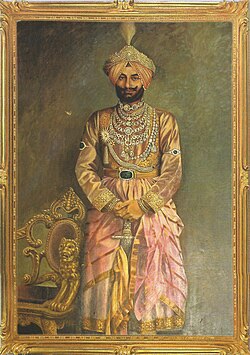
Birth and Family Background:
Maharaja Yadavindra Singh was born on January 7, 1913, in the princely state of Patiala. He was the son of Maharaja Bhupinder Singh and Maharani Bakhtawar Kaur.
Education:
He received his education at Aitchison College in Lahore.
Political Career:
He ascended the throne as the Maharaja of Patiala on March 23, 1938, following his father’s demise. After India’s independence in 1947, he agreed to merge Patiala State into the Indian Union.
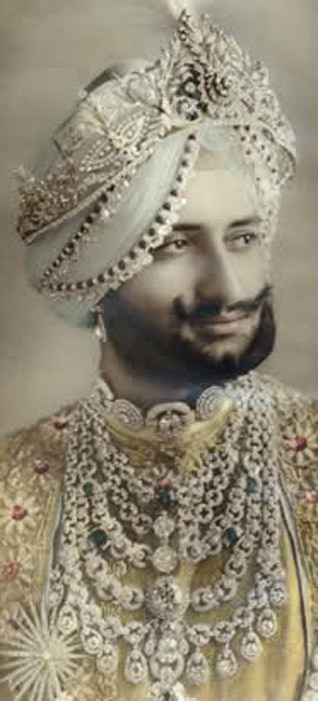
Military and Diplomatic Service:
During World War II, he served in Malaya, Italy, and Burma. He was knighted by the British government for his services.
He later served as India’s Ambassador to Italy (1965–1966) and the Netherlands (1971–1974).
Contributions to Sports and Education:
He played a Test match for India in 1934 and served as President of the Indian Olympic Association from 1938 to 1960.
He founded Yadavindra Public School and donated the Lal Bagh Palace for its premises.
Personal Life:
He was first married to Hem Prabha Devi. In 1938, he married Mehtab Kaur. His son, Captain Amarinder Singh, served as the Chief Minister of Punjab.
Demise:
He passed away on June 17, 1974, in The Hague, Netherlands, due to a heart attack.
🔚 ਇੱਕ ਰਾਜ ਦਾ ਅੰਤ, ਪਰ ਇਤਿਹਾਸ ਦੀ ਸ਼ੁਰੂਆਤ
End of a Kingdom, Birth of a Legacy
ਪਟਿਆਲਾ ਦੇ ਇਨ੍ਹਾਂ 9 ਰਾਜਿਆਂ ਨੇ ਸਿਰਫ਼ ਤਖ਼ਤ ਤੇ ਨਹੀਂ ਬੈਠੇ — ਉਨ੍ਹਾਂ ਨੇ ਪੰਜਾਬ ਦੀ ਰਾਜਨੀਤਿਕ, ਧਾਰਮਿਕ ਤੇ ਸੱਭਿਆਚਾਰਕ ਰੂਹ ਨੂੰ ਘੜਿਆ। ਪਟਿਆਲਾ ਅੱਜ ਵੀ ਉਨ੍ਹਾਂ ਦੇ ਨਕਸ਼ੇ ਕਦਮਾਂ ਉੱਤੇ ਚੱਲਦਿਆਂ ਇਤਿਹਾਸ, ਇਨਸਾਫ਼ ਅਤੇ ਇੱਜ਼ਤ ਦੀ ਪਹਚਾਣ ਹੈ।
These 9 rulers of Patiala didn’t merely rule — they shaped the soul of Punjab through politics, spirituality, and heritage. Today, Patiala still stands as a monument to dignity, justice, and history.
ਪਟਿਆਲਾ ਰਿਆਸਤ ਦੀਆਂ ਮਹੱਤਵਪੂਰਨ ਇਤਿਹਾਸਕ ਘਟਨਾਵਾਂ
(Key Historical Events of Patiala Riyasat)
੧. ਪਟਿਆਲਾ ਰਿਆਸਤ ਅਤੇ ਅੰਗਰੇਜ਼ੀ ਸਰਕਾਰ ਵਿਚਕਾਰ ਪਹਿਲਾ ਸੰਬੰਧ (1809)
ਸਾਲ 1809 ਵਿੱਚ ਪਟਿਆਲਾ ਰਾਜ ਨੇ ਅੰਗਰੇਜ਼ੀ ਈਸਟ ਇੰਡੀਆ ਕੰਪਨੀ ਨਾਲ ਲਾਰਡ ਲੇਕ ਦੀ ਅਗਵਾਈ ਹੇਠ ਇਕ ਸੰਧੀ (‘ਸਰਕਾਰੀ ਸੁਰੱਖਿਆ ਸੰਧੀ’) ਕੀਤੀ। ਇਹ ਸੰਧੀ ਰਣਜੀਤ ਸਿੰਘ ਵੱਲੋਂ ਦੱਖਣੀ ਪੰਜਾਬ ’ਚ ਫੈਲ ਰਹੇ ਪ੍ਰਭਾਵ ਦੇ ਖਿਲਾਫ ਰਾਖਵਾਲੀ ਕਰਨ ਵਾਸਤੇ ਸੀ। ਇਸ ਦੇ ਅਦਲੇ-ਬਦਲੇ ਵਿੱਚ ਪਟਿਆਲਾ ਰਿਆਸਤ ਨੇ ਆਪਣੀ ਖੁਦਮੁਖਤਿਆਰੀ ਤਿਆਗ ਦਿੱਤੀ ਤੇ ਬ੍ਰਿਟਿਸ਼ ਸਰਕਾਰ ਦੀ ਰਾਖੀ ਹੇਠ ਆ ਗਈ।
In 1809, Patiala State signed a formal treaty with the British East India Company under Lord Lake. Known as the “Subsidiary Alliance,” this pact was made to protect Patiala from the rising influence of Maharaja Ranjit Singh in Punjab. In return, Patiala accepted British suzerainty while retaining internal control.
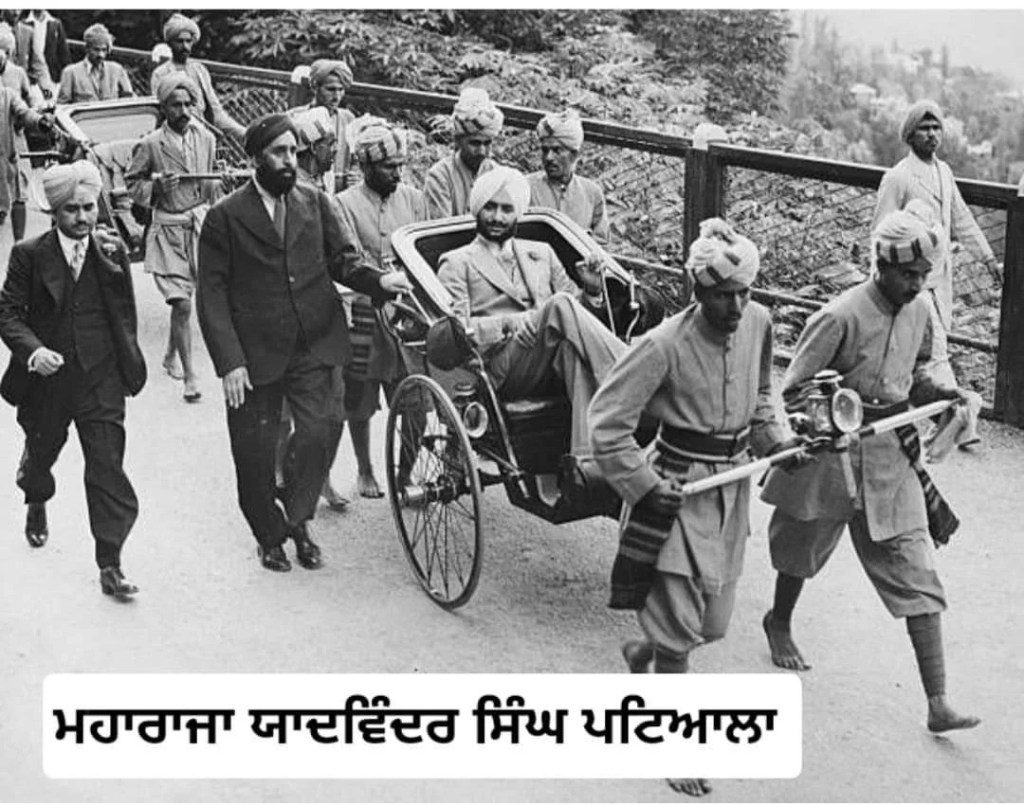
੨. 1857 ਦੀ ਗ਼ਦਰ ਵਿੱਚ ਮਹਾਰਾਜਾ ਨਰਿੰਦਰ ਸਿੰਘ ਦੀ ਭੂਮਿਕਾ
ਜਦ 1857 ਵਿੱਚ ਭਾਰਤ ’ਚ ਪਹਿਲੀ ਆਜ਼ਾਦੀ ਦੀ ਲਹਿਰ ਉੱਠੀ, ਪਟਿਆਲਾ ਰਿਆਸਤ ਨੇ ਬ੍ਰਿਟਿਸ਼ ਰਾਜ ਦੀ ਪੂਰੀ ਤਰ੍ਹਾਂ ਹਮਾਇਤ ਕੀਤੀ। ਮਹਾਰਾਜਾ ਨਰਿੰਦਰ ਸਿੰਘ ਨੇ ਆਪਣੀ ਫੌਜ ਅਤੇ ਰਸਦ ਉਪਲਬਧ ਕਰਵਾਈ। ਇਨ੍ਹਾਂ ਸੇਵਾਵਾਂ ਦੇ ਬਦਲੇ, ਪਟਿਆਲਾ ਨੂੰ ਬ੍ਰਿਟਿਸ਼ ਸਰਕਾਰ ਵੱਲੋਂ ਵੱਡੀ ਇੱਜ਼ਤ ਮਿਲੀ ਅਤੇ ਰਾਜਾ ਨੂੰ “ਨਾਈਟ ਕਮਾਂਡਰ ਆਫ਼ ਦਿ ਆਰਡਰ ਆਫ਼ ਦਿ ਸਟਾਰ ਆਫ ਇੰਡੀਆ” ਨਾਲ ਸਨਮਾਨਿਤ ਕੀਤਾ ਗਿਆ।
During the 1857 revolt, Patiala State fully supported the British. Maharaja Narinder Singh provided troops, resources, and political backing. In recognition, he was honored with the title of “Knight Commander of the Order of the Star of India,” enhancing Patiala’s standing among princely states.
⸻
੩. ਮਹਾਰਾਜਾ ਭੁਪਿੰਦਰ ਸਿੰਘ ਅਤੇ ਵਿਸ਼ਵ ਯੁੱਧਾਂ ਵਿਚ ਯੋਗਦਾਨ (1914–1945)
ਮਹਾਰਾਜਾ ਭੁਪਿੰਦਰ ਸਿੰਘ (1900–1938) ਦੌਰਾਨ, ਪਟਿਆਲਾ ਰਿਆਸਤ ਨੇ ਪਹਿਲੀ ਅਤੇ ਦੂਜੀ ਵਿਸ਼ਵ ਯੁੱਧ ਵਿੱਚ ਬ੍ਰਿਟਿਸ਼ ਫੌਜ ਲਈ ਹਥਿਆਰ, ਰਾਸ਼ਨ ਅਤੇ ਸੈਨਾ ਭੇਜੀ। ਉਨ੍ਹਾਂ ਨੇ ਯੂਨਾਈਟਡ ਕਿੰਗਡਮ ਵਿੱਚ ਭਾਰਤੀ ਰਾਜਿਆਂ ਵਿੱਚੋਂ ਪਹਿਲਾ ਵਿਅਕਤੀ ਹੋਣ ਦੇ ਨਾਤੇ ਵੱਡਾ ਰਾਜਨੀਤਿਕ ਰੋਲ ਨਿਭਾਇਆ। ਉਨ੍ਹਾਂ ਦੇ ਰਾਜ ਹੇਠ ਪਟਿਆਲਾ ਨੇ ਆਧੁਨਿਕਤਾ, ਸਿੱਖਿਆ ਅਤੇ ਖੇਡਾਂ ਵਿੱਚ ਵੱਡੀ ਤਰੱਕੀ ਕੀਤੀ।
Under Maharaja Bhupinder Singh (1900–1938), Patiala contributed significantly to both World Wars by sending soldiers, supplies, and financial aid to the British. He was also the first Indian ruler to represent princely India in England diplomatically. His reign saw massive progress in modernization, sports, and education in Patiala.
⸻
੪. ਪਟਿਆਲਾ ਅਤੇ PEPSU ਦਾ ਗਠਨ (1948)
ਭਾਰਤ ਦੀ ਆਜ਼ਾਦੀ (1947) ਦੇ ਤੁਰੰਤ ਬਾਅਦ, ਪਟਿਆਲਾ ਰਿਆਸਤ ਨੇ 5 ਮਾਰਚ 1948 ਨੂੰ ਭਾਰਤੀ ਸੰਘ ਵਿੱਚ ਮਿਲਾਪ ਕੀਤਾ। ਇਨ੍ਹਾਂ ਰਿਆਸਤਾਂ ਨੂੰ ਮਿਲਾ ਕੇ “Patiala and East Punjab States Union” (PEPSU) ਬਣਾਈ ਗਈ। ਮਹਾਰਾਜਾ ਯਾਦਵਿੰਦਰ ਸਿੰਘ PEPSU ਦੇ ਪਹਿਲੇ ਰਾਜਪਾਲ (ਅਧੀਨ ਪ੍ਰਧਾਨ) ਬਣੇ।
After India’s independence in 1947, Patiala merged with the Indian Union on 5 March 1948. Along with other princely states, it formed the “Patiala and East Punjab States Union” (PEPSU). Maharaja Yadavindra Singh became its first Rajpramukh (Governor-equivalent).
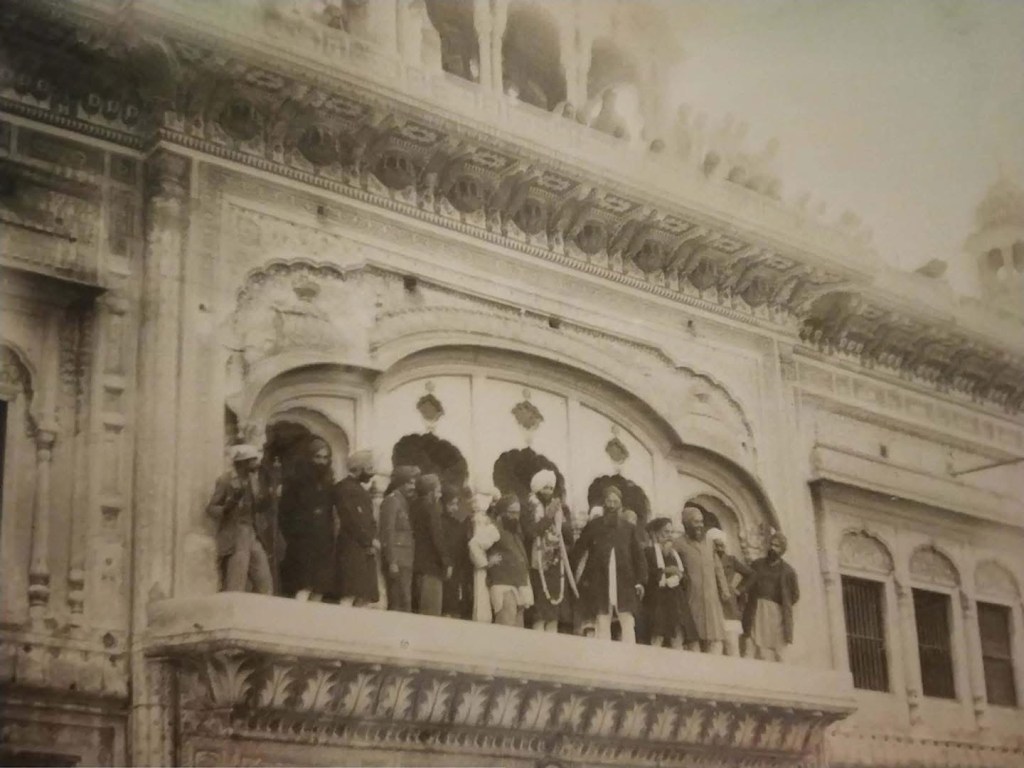
੫. ਸਿੱਖ ਰਾਜਨੀਤਿਕ ਅਤੇ ਧਾਰਮਿਕ ਅੰਦੋਲਨਾਂ ਨਾਲ ਸੰਬੰਧ
ਪਟਿਆਲਾ ਰਿਆਸਤ ਦਾ ਸਿੱਖ ਧਰਮ ਵਿੱਚ ਵੱਡਾ ਰੋਲ ਰਿਹਾ। ਗੁਰੂ ਤੇਗ ਬਹਾਦਰ ਜੀ ਦੀ ਯਾਦ ਵਿਚ ਮਹਾਰਾਜਾ ਨਰਿੰਦਰ ਸਿੰਘ ਨੇ ਮੋਤੀ ਬਾਗ ਦੇ ਕੋਲ ਗੁਰਦੁਆਰਾ ਬਣਾਇਆ। ਮਹਾਰਾਜਾ ਭੁਪਿੰਦਰ ਸਿੰਘ ਨੇ ਸ਼੍ਰੋਮਣੀ ਕਮੇਟੀ ਅਤੇ ਅਕਾਲ ਤਖ਼ਤ ਨਾਲ ਸੰਬੰਧ ਬਣਾਏ ਰੱਖੇ, ਹਾਲਾਂਕਿ ਕਈ ਵਾਰ ਰਾਜਨੀਤਿਕ ਤਣਾਅ ਵੀ ਰਹੇ।
Patiala Riyasat maintained a deep connection with Sikhism. Maharaja Narinder Singh constructed a Gurdwara in memory of Guru Tegh Bahadur Ji. Maharaja Bhupinder Singh interacted closely with the Shiromani Committee and the Akal Takht, although there were occasional political tensions.
ਪਟਿਆਲਾ ਰਿਆਸਤ ਦੀ ਇਮਾਰਤੀ ਵਿਰਾਸਤ
(Architectural Legacy of Patiala Riyasat)
੧. ਕਿਲ੍ਹਾ ਮੁਬਾਰਕ (Qila Mubarak)
ਕਿਲ੍ਹਾ ਮੁਬਾਰਕ ਪਟਿਆਲਾ ਦਾ ਸਭ ਤੋਂ ਪੁਰਾਣਾ ਅਤੇ ਮਹੱਤਵਪੂਰਨ ਇਤਿਹਾਸਿਕ ਕਿਲ੍ਹਾ ਹੈ। ਇਹ 1763 ਵਿੱਚ ਬਾਬਾ ਆਲਾ ਸਿੰਘ ਵੱਲੋਂ ਬਣਾਇਆ ਗਿਆ ਸੀ। ਇਹ ਕਿਲ੍ਹਾ ਸ਼ੁਰੂ ਵਿੱਚ ਇੱਕ ਮਿੱਟੀ ਦਾ ਕਿਲ੍ਹਾ ਸੀ, ਜਿਸਨੂੰ ਬਾਅਦ ਵਿੱਚ ਇੱਟਾਂ ਅਤੇ ਪੱਥਰ ਨਾਲ ਮਜ਼ਬੂਤ ਕੀਤਾ ਗਿਆ। ਇੱਥੇ ਮਹਾਰਾਜਿਆਂ ਦੀ ਰਿਹਾਇਸ਼, ਦਰਬਾਰ ਹਾਲ, ਸ਼ਸ਼ਤਰ ਸ਼ਾਲਾ ਅਤੇ ਹਥਿਆਰਾਂ ਦਾ ਗੋਦਾਮ ਸੀ। ਇਹ ਕਿਲ੍ਹਾ ਹੁਣ ਪੰਜਾਬ ਸਰਕਾਰ ਵੱਲੋਂ ਸੁਰੱਖਿਅਤ ਹੈ ਤੇ ਇਤਿਹਾਸਕ ਤੌਰ ’ਤੇ ਖੁੱਲਾ ਹੈ।
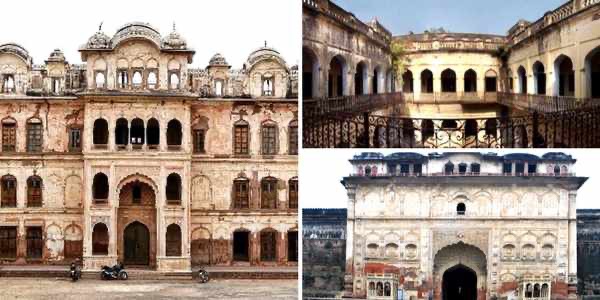
Qila Mubarak is the oldest and most iconic fort in Patiala, originally built in 1763 by Baba Ala Singh. It began as an earthen fort and was later reinforced with brick and stone. It housed the royal residence, a Durbar Hall, an armory, and a weapons storage. Today, it is preserved by the Punjab Government as a protected historical site.
੨. ਮੋਤੀ ਬਾਗ ਮਹਿਲ (Moti Bagh Palace)
ਮੋਤੀ ਬਾਗ ਮਹਿਲ ਮਹਾਰਾਜਾ ਨਰਿੰਦਰ ਸਿੰਘ ਦੁਆਰਾ 1847 ਵਿੱਚ ਬਣਵਾਇਆ ਗਿਆ। ਇਹ ਇਮਾਰਤ ਭਾਰਤੀ ਅਤੇ ਯੂਰਪੀਅਨ ਅੰਦਾਜ਼ ਨੂੰ ਮਿਲਾ ਕੇ ਬਣਾਈ ਗਈ ਹੈ। ਮਹਿਲ ਦੇ ਇਰਦ-ਗਿਰਦ ਸੁੰਦਰ ਬਾਗ ਹਨ ਤੇ ਇਸਦੀ ਰਚਨਾ ਅਤਿ ਵਿਸ਼ਾਲ ਹੈ। ਹੁਣ ਇਹ ਪਟਿਆਲਾ ਵਿੱਚ ਨੈਸ਼ਨਲ ਇੰਸਟੀਚਿਊਟ ਆਫ਼ ਸਪੋਰਟਸ (NIS) ਦੇ ਤੌਰ ’ਤੇ ਵਰਤੀ ਜਾਂਦੀ ਹੈ।
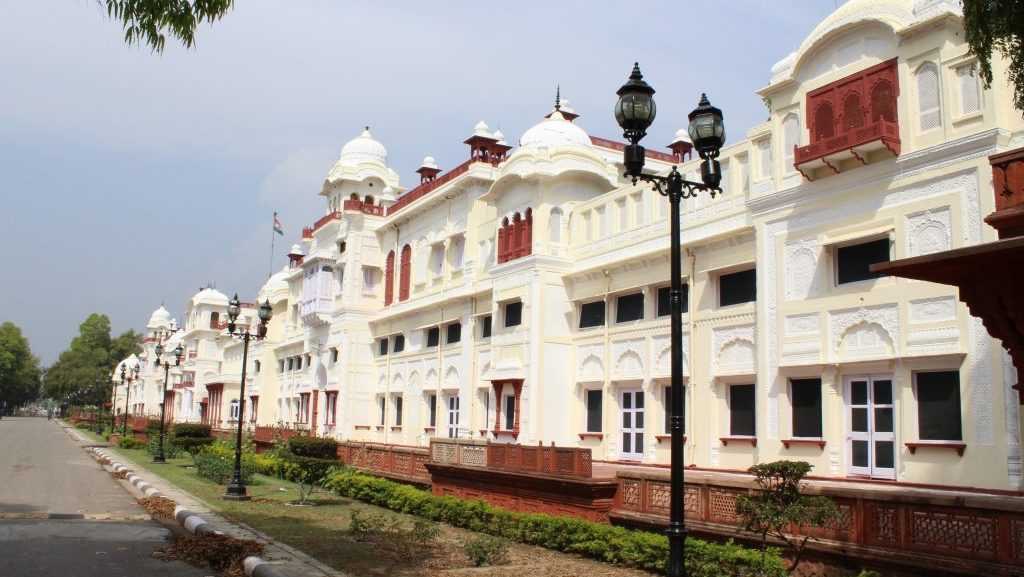
Moti Bagh Palace was commissioned by Maharaja Narinder Singh in 1847. The structure blends Indian and European architectural elements. Surrounded by beautiful gardens, it is one of the largest royal residences in India. Today, it houses the National Institute of Sports (NIS), Patiala.
੩. ਸ਼ੀਸ਼ ਮਹਿਲ (Sheesh Mahal)
ਸ਼ੀਸ਼ ਮਹਿਲ, ਮੋਤੀ ਬਾਗ ਮਹਿਲ ਦੇ ਪਿੱਛਲੇ ਭਾਗ ਵਿੱਚ ਸਥਿਤ ਹੈ। ਇਹ ਮਹਾਰਾਜਾ ਨਰਿੰਦਰ ਸਿੰਘ ਵੱਲੋਂ ਕਲਾ ਅਤੇ ਸੰਗੀਤ ਲਈ ਤਿਆਰ ਕਰਵਾਇਆ ਗਿਆ ਸੀ। ਮਹਿਲ ਦੇ ਕੰਧਾਂ ਅਤੇ ਛੱਤਾਂ ਨੂੰ ਕੱਚ ਦੇ ਟੁਕੜਿਆਂ ਅਤੇ ਫਰਿਸਕਾਰੀ ਕੰਮ ਨਾਲ ਸਜਾਇਆ ਗਿਆ ਹੈ। ਇੱਥੇ ਕਈ ਲਕੜੀ ਦੀਆਂ ਪੇਂਟਿੰਗਾਂ, ਕਿਤਾਬਾਂ ਅਤੇ ਹਥਿਆਰਾਂ ਦੀ ਪ੍ਰਦਰਸ਼ਨੀ ਵੀ ਹੈ। ਇਹ ਹੁਣ ਇੱਕ ਮਿਊਜ਼ੀਅਮ ਦੇ ਰੂਪ ਵਿੱਚ ਖੁੱਲਾ ਹੈ।
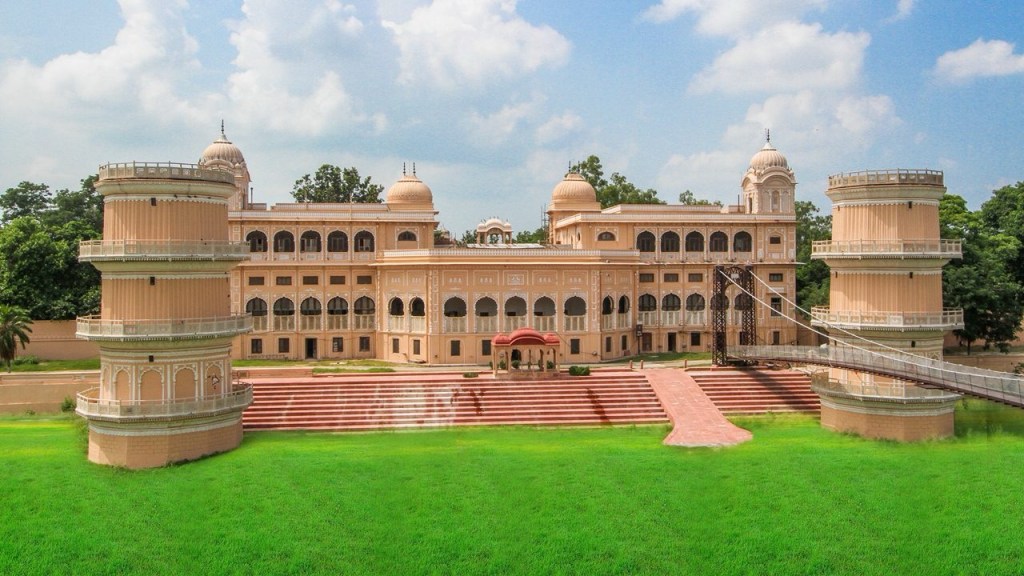
Located behind the Moti Bagh Palace, Sheesh Mahal was built by Maharaja Narinder Singh for art and cultural activities. It features exquisite mirror work on walls and ceilings and is adorned with intricate frescoes. The palace now functions as a museum, displaying wooden paintings, manuscripts, and royal weaponry.
੪. ਬਾਰਾਦਰੀ ਗਾਰਡਨ (Baradari Garden)
ਬਰਾਦਰੀ ਗਾਰਡਨ 1876 ਵਿੱਚ ਬਣਾਇਆ ਗਿਆ। ਇਹ ਇੱਕ ਰਾਜਸੀ ਆਰਾਮ ਦੀ ਥਾਂ ਸੀ ਜਿੱਥੇ ਮਹਾਰਾਜੇ ਸੈਰ ਕਰਦੇ ਸਨ। ਬਾਗ ਵਿਚ ਮੱਧ ਵਿੱਚ ਇੱਕ ਬਰਾਦਰੀ (ਬਾਰਾ ਦਰਾਂ ਵਾਲੀ ਇਮਾਰਤ) ਹੈ ਜੋ ਰਾਜ ਘਰਾਨੇ ਦੀਆਂ ਪ੍ਰਾਈਵੇਟ ਮੀਟਿੰਗਾਂ ਲਈ ਵਰਤੀ ਜਾਂਦੀ ਸੀ। ਇਹ ਗਾਰਡਨ ਹੁਣ ਆਮ ਜਨਤਾ ਲਈ ਖੁੱਲਾ ਹੈ।
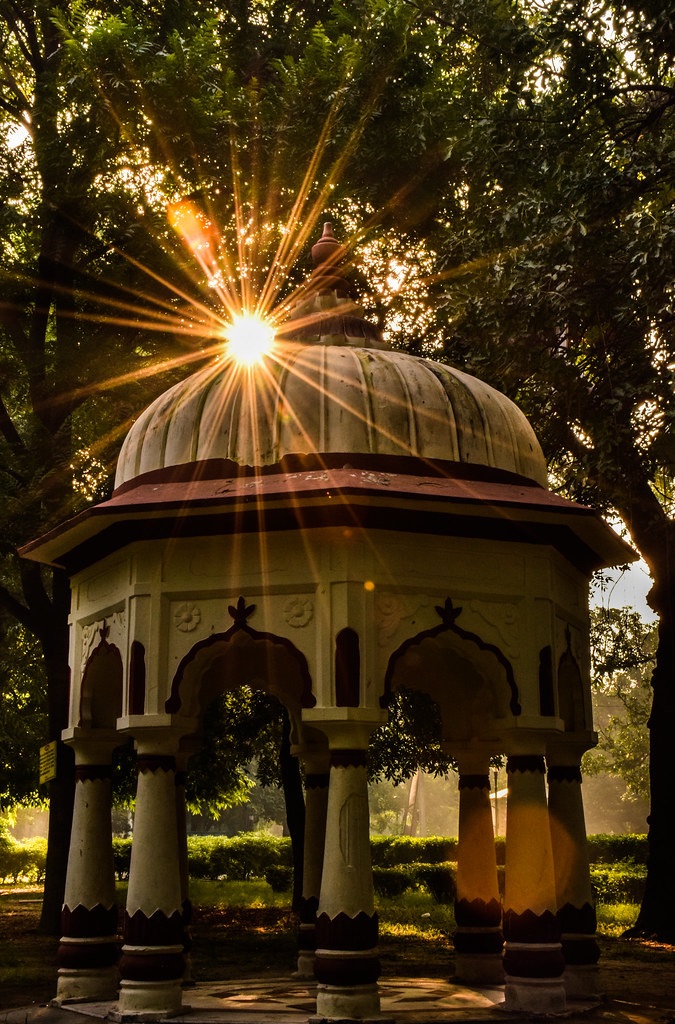
The Baradari Garden was laid out in 1876 as a royal leisure ground. At the center is a twelve-door pavilion (Baradari) used for private royal meetings. The garden is now a beautifully maintained public park accessible to all visitors.
੫. ਰਾਜਿੰਦਰਾ ਕੌਠੀ (Rajindra Kothi)
ਇਹ ਵਿਅਕਤੀਗਤ ਰਿਹਾਇਸ਼ ਸੀ ਜੋ ਮਹਾਰਾਜਾ ਰਾਜਿੰਦਰ ਸਿੰਘ ਨੇ ਬਣਾਈ। ਇਹ ਸ਼ਾਂਤ ਅਤੇ ਪਰਕਰਿਤਕ ਸਥਾਨ ਤੇ ਸਥਿਤ ਸੀ। ਹੁਣ ਇਹ ਇਮਾਰਤ ਨਿਹਾਲ ਬਾਗ ਹੇਠ ਇਕ ਵਿਰਾਸਤੀ ਹੋਟਲ ਦੇ ਰੂਪ ਵਿੱਚ ਬਦਲੀ ਜਾ ਚੁੱਕੀ ਹੈ।
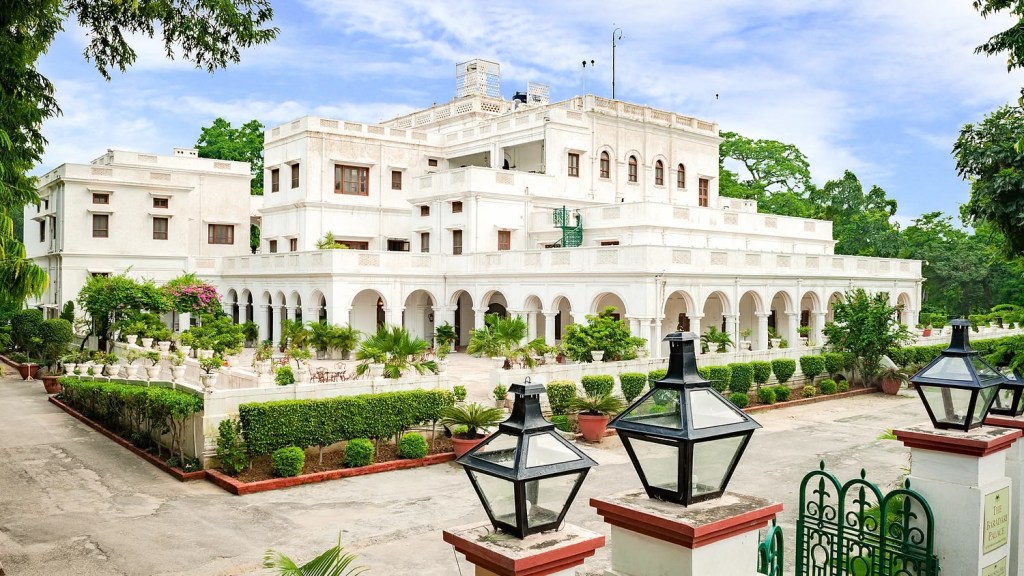
Rajindra Kothi was a private residence built by Maharaja Rajinder Singh, located amidst a serene natural setting. Today, it has been transformed into a heritage hotel under the Nihal Bagh complex.
੬. ਗੁਰਦੁਆਰੇ ਅਤੇ ਧਾਰਮਿਕ ਢਾਂਚੇ
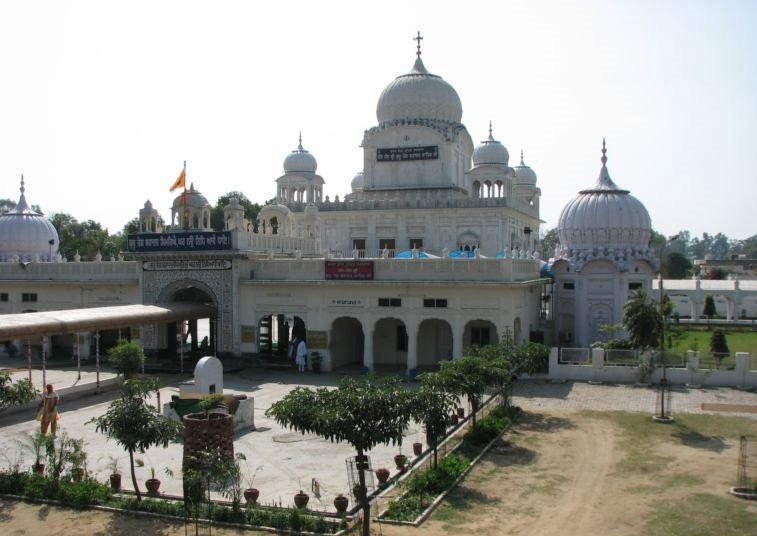
ਪਟਿਆਲਾ ਰਾਜ ਨੇ ਕਈ ਗੁਰਦੁਆਰਿਆਂ ਅਤੇ ਮੰਦਰਾਂ ਦੀ ਸਥਾਪਨਾ ਕਰਵਾਈ।
- ਗੁਰਦੁਆਰਾ ਦੁਖ ਨਿਵਾਰਣ ਸਾਹਿਬ
- ਗੁਰਦੁਆਰਾ ਮੋਤੀ ਬਾਗ ਸਾਹਿਬ
- ਕਾਲੀ ਮਾਤਾ ਦਾ ਮੰਦਰ
The Patiala royal family also funded and built many places of worship:
- Gurdwara Dukh Niwaran Sahib
- Gurdwara Moti Bagh Sahib
- Kali Mata Temple


ਸੱਭਿਆਚਾਰਕ ਯੋਗਦਾਨ
ਪਟਿਆਲਾ ਰਿਆਸਤ ਨੇ ਪੰਜਾਬੀ ਸਭਿਆਚਾਰ, ਸੰਗੀਤ, ਖੇਡਾਂ ਅਤੇ ਧਾਰਮਿਕ ਪਹਿਚਾਣ ਵਿੱਚ ਬੇਮਿਸਾਲ ਯੋਗਦਾਨ ਪਾਇਆ। ਇੱਥੇ ਕਲਾ ਅਤੇ ਸੰਗੀਤ ਨੂੰ ਰਾਜ ਦਰਬਾਰਾਂ ਦੀ ਸਾਥ ਵਿੱਚ ਉੱਚੀ ਪੱਧਰੀ ਮਾਨਤਾ ਮਿਲੀ।
Patiala State made unmatched contributions to Punjabi culture, music, sports, and religious identity. Arts and music received high recognition and royal support within its courts.
ਪਟਿਆਲਾ ਘਰਾਣਾ — ਹਿੰਦੁਸਤਾਨੀ ਕਲਾਸੀਕਲ ਸੰਗੀਤ ਦਾ ਇੱਕ ਪ੍ਰਮੁੱਖ ਸ਼ੈਲੀਕ ਸਨਮਾਨ — ਇਥੋਂ ਹੀ ਜੰਮਿਆ। ਮਹਾਰਾਜਾ ਨਰਿੰਦਰ ਸਿੰਘ ਨੇ ਅਫ਼ਗਾਨਿਸਤਾਨ ਅਤੇ ਲਖਨਉ ਤੋਂ ਮਹਾਨ ਗਾਇਕਾਂ ਨੂੰ ਸੱਦ ਕੇ ਇਸਦੀ ਨੀਂਹ ਰਖਵਾਈ। ਉਸਤਾਦ ਅਲੀ ਬਖ਼ਸ਼ ਅਤੇ ਉਸਤਾਦ ਫਤਹਿ ਅਲੀ ਨੇ ਇਸ ਘਰਾਨੇ ਨੂੰ ਅੱਗੇ ਵਧਾਇਆ।
The Patiala Gharana — a distinguished style of Hindustani classical music — originated here. Maharaja Narinder Singh invited legendary vocalists from Afghanistan and Lucknow, laying the foundation. Ustad Ali Baksh and Ustad Fateh Ali expanded its influence.
ਸਿਰਫ਼ ਸੰਗੀਤ ਹੀ ਨਹੀਂ, ਰਾਜ ਨੇ ਰੰਗ-ਮੰਚ, ਲੋਕ ਗਾਥਾਵਾਂ, ਕਥਾਵਾਂ ਅਤੇ ਕਵਿਤਾਵਾਂ ਨੂੰ ਵੀ ਉਤਸ਼ਾਹ ਦਿੱਤਾ। ਮਹਾਰਾਜਾ ਭੁਪਿੰਦਰ ਸਿੰਘ ਦੇ ਦੌਰਾਨ ਕਈ ਮਸ਼ਹੂਰ ਕਵੀ ਦਰਬਾਰ ਵਿੱਚ ਰਹੇ। ਉਨ੍ਹਾਂ ਦੀ ਰਾਜ ਲਾਇਬ੍ਰੇਰੀ ਵਿੱਚ ਹਜ਼ਾਰਾਂ ਪੁਰਾਤਨ ਗ੍ਰੰਥ ਅਤੇ ਕਿਤਾਬਾਂ ਸੰਭਾਲੀ ਗਈਆਂ।
Beyond music, the state actively supported theatre, folklore, storytelling, and poetry. Under Maharaja Bhupinder Singh, numerous renowned poets were part of the court. His royal library preserved thousands of rare manuscripts and books.
ਮਹਾਰਾਜਾ ਯਾਦਵਿੰਦਰ ਸਿੰਘ ਨੇ ਖੇਡਾਂ ਨੂੰ ਪ੍ਰੋਤਸਾਹਨ ਦਿੱਤਾ, ਖਾਸ ਕਰਕੇ ਹਾਕੀ, ਕ੍ਰਿਕੇਟ ਅਤੇ ਕਬੱਡੀ। ਉਨ੍ਹਾਂ ਦੀ ਰਾਜਪਾਲੀ ਹੇਠ ਨੈਸ਼ਨਲ ਇੰਸਟੀਚਿਊਟ ਆਫ ਸਪੋਰਟਸ (NIS) ਦੀ ਸਥਾਪਨਾ ਹੋਈ ਜੋ ਅੱਜ ਭਾਰਤ ਦੇ ਸਰਵੋਤਮ ਖੇਡ ਸਥਾਨਾਂ ਵਿੱਚੋਂ ਇੱਕ ਹੈ।
Maharaja Yadavindra Singh encouraged sports, especially hockey, cricket, and kabaddi. During his governance, the National Institute of Sports (NIS) was established, which is now one of India’s premier sports institutions.
ਪਟਿਆਲਾ ਰਿਆਸਤ ਨੇ ਸਿੱਖ ਧਰਮ ਦੀ ਸੰਭਾਲ ਵਿੱਚ ਵੀ ਵੱਡੀ ਭੂਮਿਕਾ ਨਿਭਾਈ। ਇਥੋਂ ਦੇ ਮਹਾਰਾਜਿਆਂ ਨੇ ਅਨੇਕ ਗੁਰਦੁਆਰੇ ਬਣਵਾਏ, ਗੁਰੂ ਸਾਹਿਬਾਨ ਦੇ ਚਰਨ ਕਮਲ ਅਸਥਾਨਾਂ ਨੂੰ ਸਵਾਰਿਆ ਅਤੇ ਧਾਰਮਿਕ ਸੰਸਥਾਵਾਂ ਨੂੰ ਦਾਨ ਦਿੱਤਾ।
Patiala Riyasat also played a major role in preserving Sikh heritage. Its rulers built numerous gurdwaras, renovated historic sites associated with the Gurus, and donated generously to religious institutions.
ਪਟਿਆਲਾ ਰਿਆਸਤ ਦੀ ਪ੍ਰਸ਼ਾਸਕੀ ਪ੍ਰਣਾਲੀ ਅਤੇ ਸ਼ਾਸਨਕ ਢਾਂਚਾ
(Administration and Governance of Patiala State)
ਪਟਿਆਲਾ ਰਿਆਸਤ ਦੀ ਪ੍ਰਸ਼ਾਸਕੀ ਪ੍ਰਣਾਲੀ ਆਪਣੇ ਸਮੇਂ ਵਿੱਚ ਬਹੁਤ ਹੀ ਵਿਕਸਿਤ ਅਤੇ ਵਿਵਸਥਿਤ ਸੀ। ਬਾਬਾ ਆਲਾ ਸਿੰਘ ਦੇ ਸਮੇਂ ਤੋਂ ਹੀ ਇੱਥੇ ਇੱਕ ਕੇਂਦਰੀ ਸ਼ਾਸਨ ਵਿਵਸਥਾ ਬਣਾਈ ਗਈ ਜੋ ਰਾਜੇ ਦੇ ਨਿਯੰਤਰਣ ਹੇਠ ਕੰਮ ਕਰਦੀ ਸੀ। ਰਾਜੇ ਦੀ ਅਗਵਾਈ ਹੇਠ ਚੋਣਵੇਂ ਵਿਅਕਤੀਆਂ ਨੂੰ ਵੱਖ-ਵੱਖ ਖੇਤਰਾਂ ਦੀ ਜ਼ਿੰਮੇਵਾਰੀ ਦਿੱਤੀ ਜਾਂਦੀ ਸੀ।
The administrative system of Patiala Riyasat was highly organized for its time. From the era of Baba Ala Singh, a central governance structure was established, functioning directly under the Maharaja’s control. Trusted individuals were appointed to manage different sectors under his leadership.
ਮਹਾਰਾਜਿਆਂ ਦੇ ਦਰਬਾਰ ਵਿੱਚ ਅਦਾਲਤੀ ਵਿਭਾਗ, ਵਿੱਤੀ ਵਿਭਾਗ, ਅਤੇ ਰਾਜਸੀ ਕੌਂਸਲ ਵਾਂਗ ਸੰਸਥਾਵਾਂ ਹੁੰਦੀਆਂ ਸਨ ਜੋ ਸ਼ਾਸਨ ਦੇ ਫੈਸਲਿਆਂ ਵਿੱਚ ਸਹਿਯੋਗ ਦਿੰਦੀਆਂ। ਸਿਵਲ ਅਤੇ ਫੌਜੀ ਅਧਿਕਾਰੀਆਂ ਨੂੰ ਤਣਾਤੀ ਦੇ ਅਧਿਕਾਰ ਰਾਜੇ ਕੋਲ ਹੀ ਸਨ। ਇਨ੍ਹਾਂ ਵਿੱਚ ਦਰਬਾਰੀ ਵਜ਼ੀਰ, ਮੁਨਸ਼ੀ, ਫੌਜਦਾਰ ਅਤੇ ਰਾਜਪਾਲ ਸ਼ਾਮਲ ਸਨ।
The royal court had separate departments for judiciary, finance, and governance councils that advised on administrative decisions. The Maharaja held full authority to appoint civil and military officials, which included positions like Wazir (chief minister), Munshi (secretary), Faujdar (military officer), and Governors.
ਪਟਿਆਲਾ ਰਿਆਸਤ ਨੂੰ ਵੱਖ-ਵੱਖ ਜ਼ਿਲ੍ਹਿਆਂ ਅਤੇ ਪਰਗਨਿਆਂ ਵਿੱਚ ਵੰਡਿਆ ਗਿਆ ਸੀ। ਹਰ ਜ਼ਿਲ੍ਹੇ ਦਾ ਇੰਚਾਰਜ ਇੱਕ “ਨਾਇਬ” ਜਾਂ “ਹਕੂਮਤਦਾਰ” ਹੁੰਦਾ ਸੀ, ਜੋ ਕਿ ਰਾਜੇ ਦੇ ਸਿੱਧੇ ਹੁਕਮਾਂ ਹੇਠ ਕੰਮ ਕਰਦਾ ਸੀ। ਇਹ ਵਿਅਕਤੀ ਟੈਕਸ ਇਕੱਠੇ ਕਰਨ, ਕਾਨੂੰਨ-ਵਿਵਸਥਾ ਬਣਾਈ ਰੱਖਣ ਅਤੇ ਅੰਤਰਿਕ ਕਾਰਜਾਂ ਦੀ ਦੇਖਭਾਲ ਕਰਦੇ ਸਨ।
The state was divided into various districts and sub-divisions called “parganas”. Each district was managed by a “Naib” or “Hakoomatdar”, who worked directly under the Maharaja’s orders. Their responsibilities included tax collection, maintaining law and order, and supervising internal affairs.
ਪਟਿਆਲਾ ਵਿੱਚ ਰਾਜ ਦੀ ਆਪਣੀ ਫੌਜ ਸੀ ਜਿਸਦਾ ਉਦੇਸ਼ ਰਾਜ ਦੀ ਰੱਖਿਆ ਕਰਨਾ, ਆਦੇਸ਼ ਲਾਗੂ ਕਰਨਾ ਅਤੇ ਵਿਦੇਸ਼ੀ ਹਮਲਿਆਂ ਤੋਂ ਬਚਾਅ ਕਰਨਾ ਸੀ। ਮਹਾਰਾਜਾ ਭੁਪਿੰਦਰ ਸਿੰਘ ਦੇ ਦੌਰ ਵਿੱਚ ਇਸ ਫੌਜ ਨੂੰ ਆਧੁਨਿਕ ਹਥਿਆਰਾਂ ਅਤੇ ਯੂਰਪੀ ਤਰਜ਼ ਅਨੁਸਾਰ ਸਜਾਇਆ ਗਿਆ।
Patiala had its own standing army, meant to protect the state, enforce royal commands, and defend against external invasions. During Maharaja Bhupinder Singh’s reign, the military was equipped with modern weapons and trained in European styles of warfare.
ਰਾਜਸਭਾ (Darbar) ਇੱਕ ਮਾਣਯੋਗ ਸੰਸਥਾ ਸੀ ਜਿੱਥੇ ਰਾਜੇ ਵੱਡੇ ਫੈਸਲੇ ਲੈਂਦੇ, ਜਨਤਾ ਦੀਆਂ ਅਰਜ਼ੀਆਂ ਸੁਣਦੇ ਅਤੇ ਰਾਜਨੀਤਿਕ, ਆਰਥਿਕ, ਧਾਰਮਿਕ ਮਾਮਲਿਆਂ ’ਤੇ ਵਿਚਾਰ-ਵਟਾਂਦਰਾ ਹੁੰਦੀ। ਇੱਥੇ ਦਰਬਾਰੀ ਆਦਮੀ, ਅਫ਼ਸਰ, ਧਰਮ ਗੁਰੂ ਅਤੇ ਵਪਾਰੀ ਵੀ ਬੈਠਦੇ।
The Durbar (royal court) was a prestigious institution where the Maharaja made major decisions, heard public petitions, and consulted on political, economic, and religious issues. The court included nobles, officers, spiritual leaders, and merchants.
ਪਟਿਆਲਾ ਰਿਆਸਤ ਦੀ ਕਰੰਸੀ ਅਤੇ ਸਕੱਦੇ
ਸਕੱਦਾ ਨਿਰਮਾਣ ਅਤੇ ਚਲਣ
ਪਟਿਆਲਾ ਰਿਆਸਤ ਵਿੱਚ ਸਕੱਦੇ ਨਿਰਮਾਣ ਦੀ ਪ੍ਰੰਪਰਾ 18ਵੀਂ ਸਦੀ ਵਿੱਚ ਸ਼ੁਰੂ ਹੋਈ ਸੀ, ਜਦ ਰਿਆਸਤ ਨੇ ਆਪਣਾ ਆਤਮਨਿਰਭਰ ਆਰਥਿਕ ਢਾਂਚਾ ਵਿਕਸਿਤ ਕਰਨਾ ਸ਼ੁਰੂ ਕੀਤਾ। ਇਨ੍ਹਾਂ ਸਕੱਦਿਆਂ ਨੂੰ ਸਿਰਫ ਆਰਥਿਕ ਸੌਦਿਆਂ ਲਈ ਹੀ ਨਹੀਂ, ਸਗੋਂ ਰਾਜਸੀ ਅਧਿਕਾਰ ਅਤੇ ਖੁਦਮੁਖਤਿਆਰਤਾ ਦੇ ਪ੍ਰਤੀਕ ਵਜੋਂ ਵੀ ਵਰਤਿਆ ਜਾਂਦਾ ਸੀ।
ਮੁੱਖ ਧਾਤਾਂ ਅਤੇ ਕਿਸਮਾਂ
ਪਟਿਆਲਾ ਰਿਆਸਤ ਵੱਲੋਂ ਜਿਹੜੇ ਮੁੱਖ ਧਾਤਾਂ ਵਿੱਚ ਸਕੱਦੇ ਬਣਾਏ ਜਾਂਦੇ ਸਨ, ਉਹ ਸੀ:
- ਚਾਂਦੀ (ਰੁਪਿਆ): ਸਭ ਤੋਂ ਵੱਧ ਵਰਤੇ ਜਾਣ ਵਾਲੇ ਸਕੱਦੇ। ਇਹ ਸਕੱਦੇ ਵਿਭਿੰਨ ਭਾਰਾਂ (ਤੋਲ) ਵਿੱਚ ਮਿਲਦੇ ਸਨ।
- ਤਾਮਬਾ (ਦਾੜਾ/ਦਾਮ): ਛੋਟੇ ਲੈਣ-ਦੇਣ ਲਈ ਵਰਤੇ ਜਾਂਦੇ।
- ਸੋਨਾ (ਮੋਹਰ): ਬਹੁਤ ਹੀ ਕੀਮਤੀ ਅਤੇ ਆਮ ਤੌਰ ’ਤੇ ਰਾਜਸੀ ਦਰਬਾਰ ਜਾਂ ਵਿਸ਼ੇਸ਼ ਮੌਕਿਆਂ ਲਈ ਜਾਰੀ ਕੀਤੇ ਜਾਂਦੇ।
ਸਕੱਦਿਆਂ ’ਤੇ ਮੋਹਰਾਂ
ਸਕੱਦਿਆਂ ’ਤੇ ਅਕਸਰ ਇਨ੍ਹਾਂ ਚੀਜ਼ਾਂ ਦੀ ਛਾਪ ਹੁੰਦੀ ਸੀ:
- ਰਾਜੇ ਦਾ ਨਾਂ ਅਤੇ ਉਪਾਧੀ
- ਜਾਰੀ ਕਰਨ ਦਾ ਸਾਲ (ਜ਼ਿਆਦਾਤਰ ਹਿਜ਼ਰੀ ਜਾਂ ਵਿਕਰਮ ਸੰਵਤ ਅਨੁਸਾਰ)
- ਰਿਆਸਤ ਦਾ ਨਾਂ ਜਾਂ “ਸਰਕਾਰ-ਏ-ਪਟਿਆਲਾ”
- ਕਈ ਵਾਰ ਇਸਲਾਮਿਕ ਕਲਿਮਾ ਜਾਂ ਰਾਜਸੀ ਨਿਸ਼ਾਨ ਵੀ ਹੁੰਦੇ
ਮਿੰਟਿੰਗ ਸਿਸਟਮ (ਟਕਸਾਲਾਂ)
ਪਟਿਆਲਾ ਰਿਆਸਤ ਦੀ ਆਪਣੀ ਟਕਸਾਲ ਸੀ ਜੋ ਜ਼ਿਆਦਾਤਰ ਪਟਿਆਲਾ ਸ਼ਹਿਰ ਵਿੱਚ ਸਥਿਤ ਸੀ। ਇੱਥੇ ਸਕੱਦੇ ਨਿਰਮਿਤ ਕਰਵਾਏ ਜਾਂਦੇ ਸਨ। ਕੁਝ ਟਕਸਾਲਾਂ ’ਚ ਨਕਲੀ ਸਕੱਦੇ ਵੀ ਆਉਣ ਦੀਆਂ ਘਟਨਾਵਾਂ ਮਿਲਦੀਆਂ ਹਨ, ਜਿਸ ਕਰਕੇ ਰਿਆਸਤ ਨੇ ਕਈ ਵਾਰ ਟਕਸਾਲ ਦੀਆਂ ਮੋਹਰਾਂ ’ਚ ਵੀ ਤਬਦੀਲੀ ਕੀਤੀ।
ਬਾਹਰੀ ਚਲਣ ਵਾਲੀ ਕਰੰਸੀ ਨਾਲ ਰਿਸ਼ਤਾ
ਬਹੁਤ ਸਮੇਂ ਤੱਕ ਮੁਗਲ ਤੇ ਬਾਦ ਵਿੱਚ ਅੰਗਰੇਜ਼ ਸਰਕਾਰ ਦੀ ਕਰੰਸੀ ਵੀ ਪਟਿਆਲਾ ਵਿੱਚ ਚਲਦੀ ਰਹੀ। ਪਰ ਰਿਆਸਤ ਨੇ ਆਪਣੇ ਕਰੰਸੀ ਨਿਰਮਾਣ ਨੂੰ ਇੱਕ ਆਤਮਨਿਰਭਰਤਾ ਦੇ ਰੂਪ ਵਿੱਚ ਕਾਇਮ ਰੱਖਿਆ।
Currency and Coins of Patiala State
Coinage and Circulation
The tradition of minting coins in Patiala State began in the 18th century, coinciding with the establishment of a self-reliant economic system. These coins were not only used for trade but also symbolized royal authority and sovereignty.
Main Metals and Types
The primary metals used in Patiala coins were:
- Silver (Rupiya): The most commonly used coin, available in various weights.
- Copper (Damma or Dhela): Used for smaller transactions.
- Gold (Mohar): Highly valuable and generally reserved for royal events or special occasions.
Inscriptions on Coins
Coins typically bore:
- The name and title of the ruling Maharaja
- The year of minting (usually in Hijri or Vikram Samvat calendar)
- The name of the state, often seen as “Sarkar-e-Patiala”
- Sometimes Islamic phrases or royal emblems were included
Minting System (Mints)
Patiala had its own mint, primarily located in Patiala city. Coins were manufactured here under the supervision of the royal treasury. Historical records also mention counterfeit coins being circulated at times, prompting changes in the mint marks or design to combat forgery.
Relation with External Currency
For a considerable time, Mughal and later British Indian currencies also circulated in Patiala. However, the state maintained its minting practices as a symbol of autonomy and economic independence.
ਪਟਿਆਲਾ ਰਿਆਸਤ ਨਾ ਸਿਰਫ਼ ਪੰਜਾਬ ਦੀ ਇਤਿਹਾਸਕ ਰਚਨਾ ਦਾ ਇਕ ਮਾਣਯੋਗ ਅਧਿਆਇ ਹੈ, ਸਗੋਂ ਇਹ ਸਾਡੀ ਸੱਭਿਆਚਾਰਕ ਪਛਾਣ ਅਤੇ ਰਾਜਸੀ ਵਿਰਸੇ ਦੀ ਇਕ ਜਿਊਂਦੀ ਜਾਗਦੀ ਨਿਸ਼ਾਨੀ ਵੀ ਹੈ। ਇੱਥੇ ਦੇ ਮਹਾਰਾਜਿਆਂ ਦੀ ਸਿਆਣਪ, ਇਨਸਾਫੀ ਪ੍ਰਬੰਧ, ਅਤੇ ਰਿਆਸਤਕਾਰੀ ਨੇ ਨਾ ਕੇਵਲ ਆਪਣੇ ਸਮੇਂ ਵਿੱਚ ਝੰਡਾ ਲਹਿਰਾਇਆ, ਬਲਕਿ ਆਉਣ ਵਾਲੀਆਂ ਪੀੜ੍ਹੀਆਂ ਲਈ ਵੀ ਦਿਸ਼ਾ ਨਿਰਦੇਸ਼ ਦਿੱਤਾ। ਇੱਥੋਂ ਦੀ ਕਰੰਸੀ ਤੋਂ ਲੈ ਕੇ ਸੱਭਿਆਚਾਰ ਅਤੇ ਇਮਾਰਤੀ ਰਚਨਾ ਤੱਕ—ਹਰ ਪੱਖ ਇਤਿਹਾਸ ਦੀਆਂ ਅਣਕਹੀਆਂ ਕਹਾਣੀਆਂ ਨੂੰ ਵਿਆਖਿਆ ਕਰਦਾ ਹੈ।
ਇਸ ਪੰਨੇ ਰਾਹੀਂ ਅਸੀਂ ਕੋਸ਼ਿਸ਼ ਕੀਤੀ ਹੈ ਕਿ ਪਟਿਆਲਾ ਰਿਆਸਤ ਦੇ ਵਿਰਸੇ ਨੂੰ ਵਿਸਥਾਰ ਨਾਲ ਦਰਸਾਇਆ ਜਾਵੇ ਤਾਂ ਜੋ ਅੱਜ ਦੀ ਪੀੜ੍ਹੀ ਨਾ ਸਿਰਫ ਜਾਣੇ, ਸਗੋਂ ਮਾਣ ਵੀ ਕਰੇ। ਇਹ ਸਾਡੀ ਮਾਂ-ਧਰਤੀ ਦੇ ਅਤੀਤ ਨੂੰ ਸਲਾਮ ਕਰਨ ਦੀ ਇੱਕ ਨਿਮਾਣੀ ਕੋਸ਼ਿਸ਼ ਹੈ।
The story of Patiala State is not just a chapter in the history of Punjab—it is a living testament to our heritage, sovereignty, and cultural depth. From wise rulers and administrative innovations to currency systems and architectural marvels, every element of this princely state speaks volumes about its glory and influence.
Through this page, we have strived to present an authentic and comprehensive glimpse into the legacy of Patiala. May this effort inspire a deeper appreciation for our roots and a greater pride in the land we come from. Let history not just be remembered—but revered.
 EtherealPanjab