

ਸੰਗਰੂਰ ਦਾ ਇਤਿਹਾਸ The History of Sangrur
ਸੰਗਰੂਰ, ਜੋ ਕਿ ਪੰਜਾਬ, ਭਾਰਤ ਦਾ ਇੱਕ ਜ਼ਿਲ੍ਹਾ ਹੈ, ਇੱਕ ਵਿਆਪਕ ਅਤੇ ਗਹਿਰੀ ਇਤਿਹਾਸਕ ਪਿਠਭੂਮੀ ਰੱਖਦਾ ਹੈ। ਇਹ ਖੇਤਰ ਕਈ ਸਦੀਵਾਂ ਤੋਂ ਸੰਸਕ੍ਰਿਤਕ, ਰਾਜਨੀਤਕ ਅਤੇ ਸੈਨਿਕ ਤਬਦੀਲੀਆਂ ਦਾ ਗਵਾਹ ਬਣਿਆ ਹੈ। ਪੁਰਾਤਨ ਵਸਾਅ, ਵੰਡ ਤੋਂ ਲੈ ਕੇ ਸ਼ਕਤੀਸ਼ਾਲੀ ਸਲਤਨਤਾਂ ਦੇ ਰਾਜ ਤੱਕ, ਅਤੇ ਫਿਰ ਸਥਾਨਕ ਰਾਜਿਆਂ ਦੇ ਉਭਾਰ ਤੱਕ, ਸੰਗਰੂਰ ਅਨੇਕਾਂ ਮਹੱਤਵਪੂਰਨ ਇਤਿਹਾਸਕ ਘਟਨਾਵਾਂ ਅਤੇ ਸ਼ਾਸਕਾਂ ਦਾ ਕੇਂਦਰ ਰਿਹਾ ਹੈ।
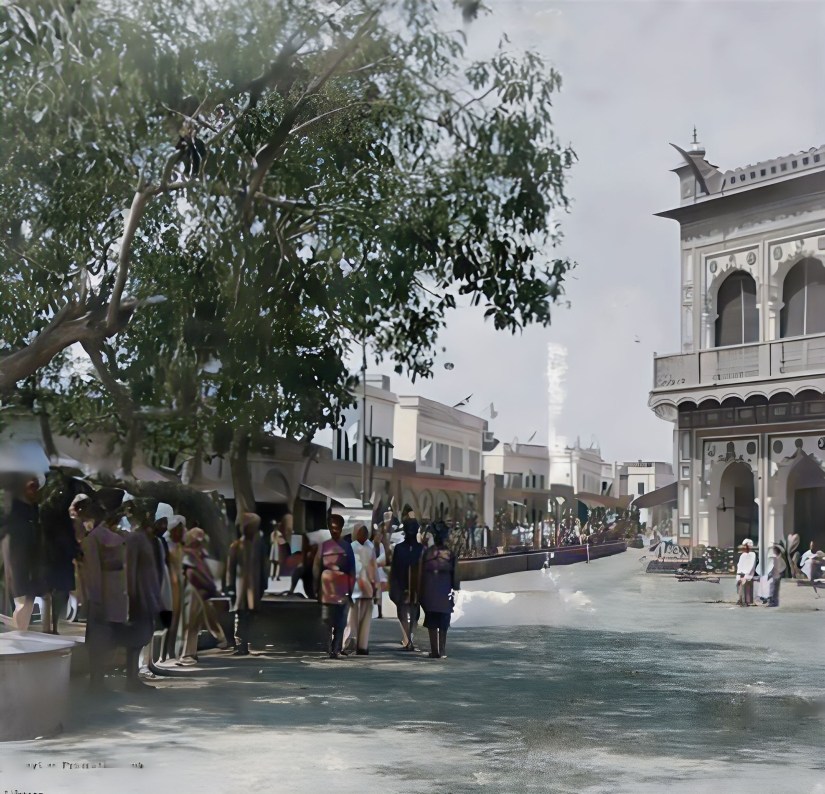
Sangrur, a district in Punjab, India, holds a vast and profound historical background. This region has witnessed numerous cultural, political, and military transformations over the centuries. From ancient settlements and the Partition to the rule of powerful empires and the rise of local monarchs, Sangrur has been a central point of many significant historical events and rulers.
ਜ਼ਿਲ੍ਹੇ ਦੇ ਨਾਂ ਦਾ ਮੂਲ Origin of the Name of the District:
ਕਿਹਾ ਜਾਂਦਾ ਹੈ ਕਿ ਇਹ ਸ਼ਹਿਰ ਲਗਭਗ ਚਾਰ ਸੌ ਸਾਲ ਪਹਿਲਾਂ ਇੱਕ ਜੱਟ “ਸੰਗ੍ਹੂ” ਵਲੋਂ ਵਸਾਇਆ ਗਿਆ ਸੀ। “ਸੰਗਰੂਰ” ਸ਼ਬਦ ਦਾ ਮੂਲ ਵੀ ਸੰਗ੍ਹੂ ਦੇ ਨਾਂ ਤੋਂ ਹੀ ਮੰਨਿਆ ਜਾਂਦਾ ਹੈ। ਇਹ ਸ਼ਹਿਰ ਸਮੇਂ ਦੇ ਨਾਲ ਪੰਜਾਬ ਦੀ ਇਤਿਹਾਸਕ ਅਤੇ ਸੰਸਕ੍ਰਿਤਕ ਰੀੜ੍ਹ ਦੀ ਹੱਡੀ ਬਣ ਗਿਆ।ਜੀਂਦ ਕਿਲਾ Jind kila
The district of Sangrur takes its name from its headquarters town, Sangrur. It is said to have been founded by a Jat named Sanghu, who settled here around four hundred years ago. The name Sangrur comes from Sanghu’s name. It has become a key historical and cultural center in Punjab. (The name Sangrur is often linked to a Jat named Sanghu, but alternative theories may exist based on local history and oral traditions.)
ਪੁਰਾਤਨ ਇਤਿਹਾਸ ਅਤੇ ਪੁਰਾਤਨ ਆਬਾਦੀ
Early History and Ancient Settlements of Sangrur :
ਸੰਗਰੂਰ ਦੀ ਇਤਿਹਾਸਕ ਪਿੱਠਭੂਮੀ ਪੁਰਾਣੇ ਸਮਿਆਂ ਤੱਕ ਜਾਂਦੀ ਹੈ। ਪੁਰਾਤਤਵ ਅਧਿਐਨ ਅਨੁਸਾਰ, ਵੈਦਿਕ ਯੁੱਗ ਵਿੱਚ ਵੀ ਇੱਥੇ ਵਸਣ ਦੀਆਂ ਨਿਸ਼ਾਨੀਆਂ ਮਿਲਦੀਆਂ ਹਨ। ਇਹ ਖੇਤਰ ਪੁਰਾਤਨ ਵਪਾਰਿਕ ਮਾਰਗਾਂ ‘ਤੇ ਸਥਿਤ ਹੋਣ ਕਰਕੇ ਇੱਕ ਮਹੱਤਵਪੂਰਨ ਆਰਥਿਕ ਅਤੇ ਸੰਸਕ੍ਰਿਤਕ ਕੇਂਦਰ ਬਣਿਆ। 7ਵੀਂ ਤੋਂ 12ਵੀਂ ਸਦੀ ਤੱਕ ਇਹ ਇਲਾਕਾ ਸਥਾਨਕ ਰਾਜਪੂਤ ਰਾਜਵੰਸ਼ਾਂ ਦੇ ਸ਼ਾਸਨ ਹੇਠ ਰਿਹਾ, ਪਰ ਉਨ੍ਹਾਂ ਰਾਜਿਆਂ ਬਾਰੇ ਵਿਸ਼ਤ੍ਰਿਤ ਰਿਕਾਰਡ ਉਪਲਬਧ ਨਹੀਂ ਹਨ।
Sangrur’s history can be traced back to the ancient era, with evidence of settlements dating back to the Vedic period. The region’s strategic location along ancient trade routes made it an important cultural and economic hub. During the early medieval period (7th–12th century), the area was ruled by local Rajput dynasties. Still, precise records of the rulers are scarce. Sangrur was a part of larger regional kingdoms in the Punjab region.
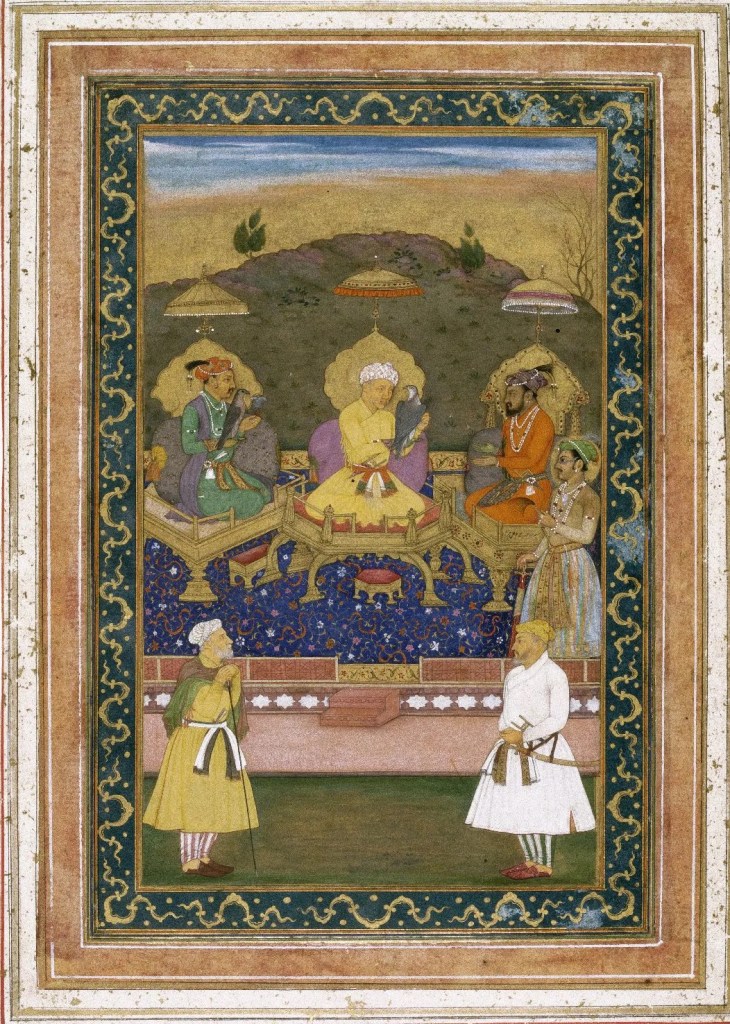
ਮੁਗਲ ਯੁਗ Mughal Period (1526–1857):
ਮੁਗਲ ਸਮਰਾਜ ਦੇ ਦੌਰਾਨ, ਸੰਗਰੂਰ ਮੁਗਲ ਸ਼ਾਸਕਾਂ ਦੇ ਪ੍ਰਭਾਵ ਹੇਠ ਆਇਆ। ਹਾਲਾਂਕਿ ਸਿੱਧਾ ਮੁਗਲ ਸ਼ਾਸਨ ਇੱਥੇ ਘੱਟ ਰਿਹਾ, ਪਰ ਸਥਾਨਕ ਜਮੀਨਦਾਰਾਂ (ਜੋ ਮੁਗਲਾਂ ਦੇ ਵਫ਼ਾਦਾਰ ਸਨ) ਨੂੰ ਇਲਾਕਾ ਪ੍ਰਬੰਧਨ, ਟੈਕਸ ਇਕੱਠਾ ਕਰਨ ਅਤੇ ਸ਼ਾਂਤੀ ਬਣਾਈ ਰੱਖਣ ਦੀ ਜ਼ਿੰਮੇਵਾਰੀ ਦਿੱਤੀ ਗਈ।
During the Mughal Empire, Sangrur came under the control of the Mughal emperors. Although direct Mughal rule in the region was limited, local zamindars (landowners) were appointed to manage the area, collect taxes, and maintain law and order. These zamindars held considerable power and had a close relationship with the Mughal Empire.
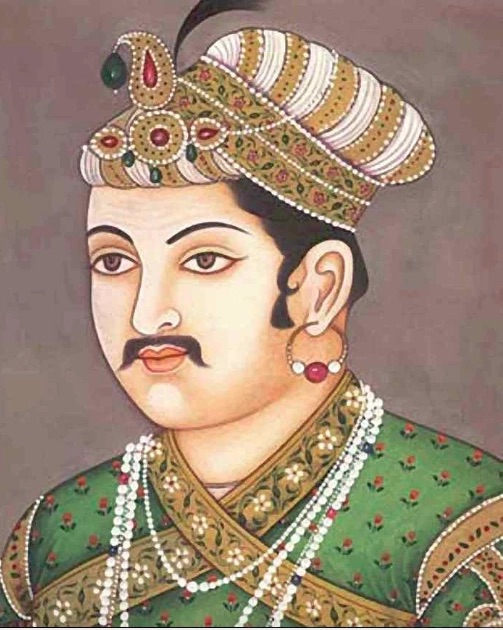
ਮੁਗਲ ਸਮਰਾਜ ਦੇ ਕੁਝ ਮਹੱਤਵਪੂਰਨ ਸ਼ਾਸਕ, ਜਿਨ੍ਹਾਂ ਦਾ ਸੰਗਰੂਰ ‘ਤੇ ਅਸਰ ਪਿਆ:Some notable Mughal-era rulers who influenced Sangrur include:
🔹 ਅਕਬਰ ਮਹਾਨ (1556–1605): ਅਕਬਰ ਨੇ ਪੰਜਾਬ ਤੇ ਆਪਣਾ ਸ਼ਾਸਨ ਮਜ਼ਬੂਤ ਕੀਤਾ, ਜਿਸ ਵਿੱਚ ਸੰਗਰੂਰ ਦਾ ਖੇਤਰ ਵੀ ਸ਼ਾਮਲ ਸੀ। ਉਸਨੇ ਮਨਸਬਦਾਰੀ ਪ੍ਰਣਾਲੀ ਅਤੇ ਆਮਦਨੀ ਵਿਧੀ ਲਾਗੂ ਕੀਤੀ, ਜਿਸ ਨੇ ਇਲਾਕੇ ਦੇ ਸ਼ਾਸਨ ਨੂੰ ਪ੍ਰਭਾਵਿਤ ਕੀਤਾ।
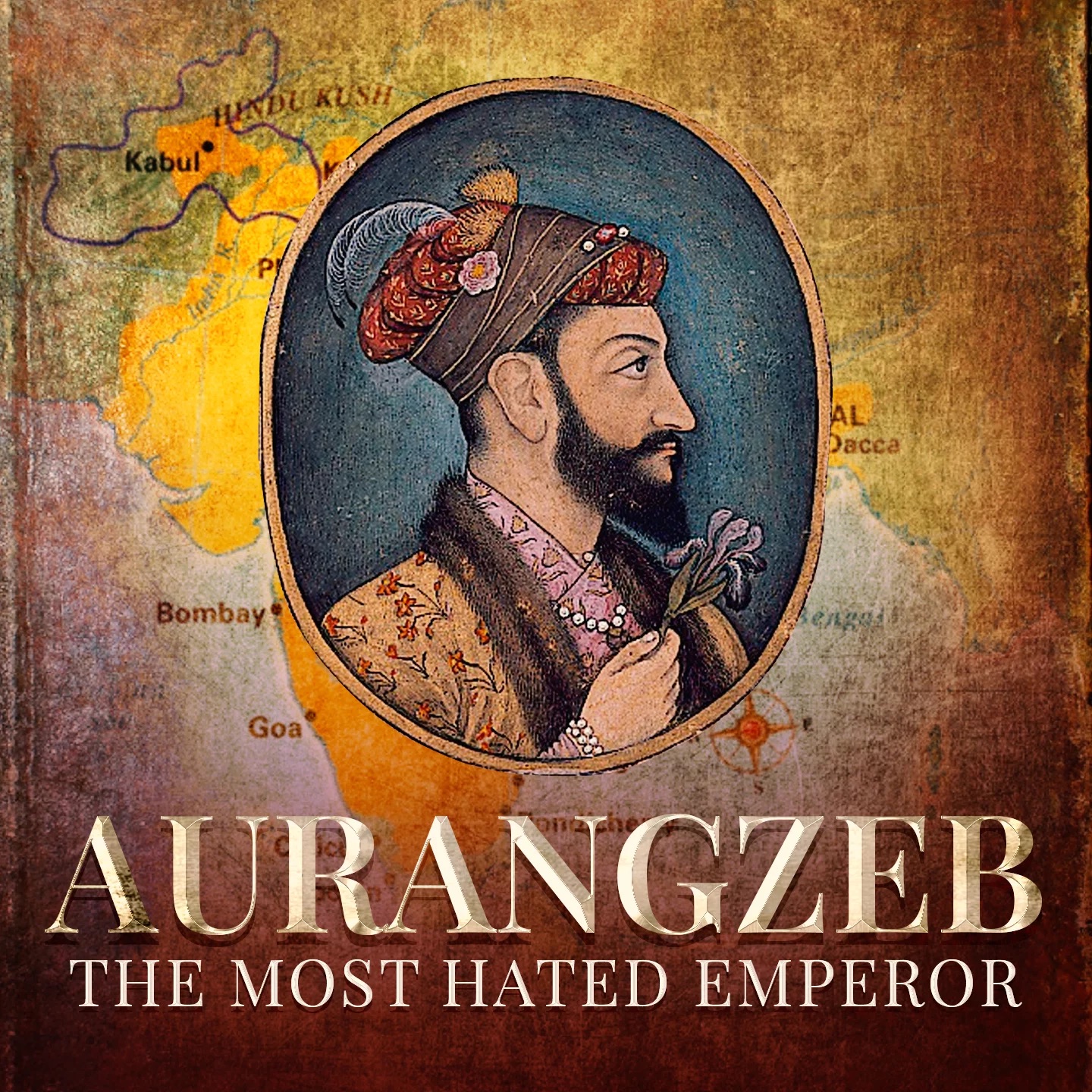
Muin-ud-din Mohammed Aurangzeb
🔹 ਔਰੰਗਜ਼ੇਬ (1658–1707): ਇਸ ਸਮੇਂ ‘ਚ ਧਾਰਮਿਕ ਪਾਬੰਦੀਆਂ ਵਧ ਗਈਆਂ। ਇਹ ਯੁਗ ਪੰਜਾਬ ਵਿੱਚ ਸਿੱਖ ਸ਼ਤਾਬਦੀ (ਸਿੱਖ ਉਭਾਰ) ਵਾਸਤੇ ਮਹੱਤਵਪੂਰਨ ਸੀ, ਜਦਕਿ ਸਥਾਨਕ ਜਮੀਨਦਾਰਾਂ ਨੇ ਵੀ ਵਿਰੋਧ ਕਰਨਾ ਸ਼ੁਰੂ ਕਰ ਦਿੱਤਾ।
- Akbar the Great (1556–1605): Akbar extended Mughal control over the Punjab region, including Sangrur. Under his reign, the Mughal administrative system was established, impacting regions like Sangrur.
- Aurangzeb (1658–1707): His reign was marked by strict religious policies. These policies had significant effects on the Punjab region. The area around Sangrur experienced local resistance. This resistance was particularly notable from the Sikh community.
 EtherealPanjab